Types of alopecia: why the diagnosis comes first
Alopecia means hair loss. Different forms affect follicles in different ways and need different treatment.
On this page
Alopecia is the medical term for hair loss. It does not refer to one single disease. Pattern loss, alopecia areata, traction and scarring conditions can look different, behave differently and need different treatment. Identifying the cause comes before deciding whether surgery is appropriate.
Pattern hair loss
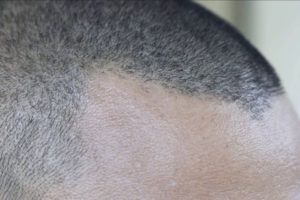
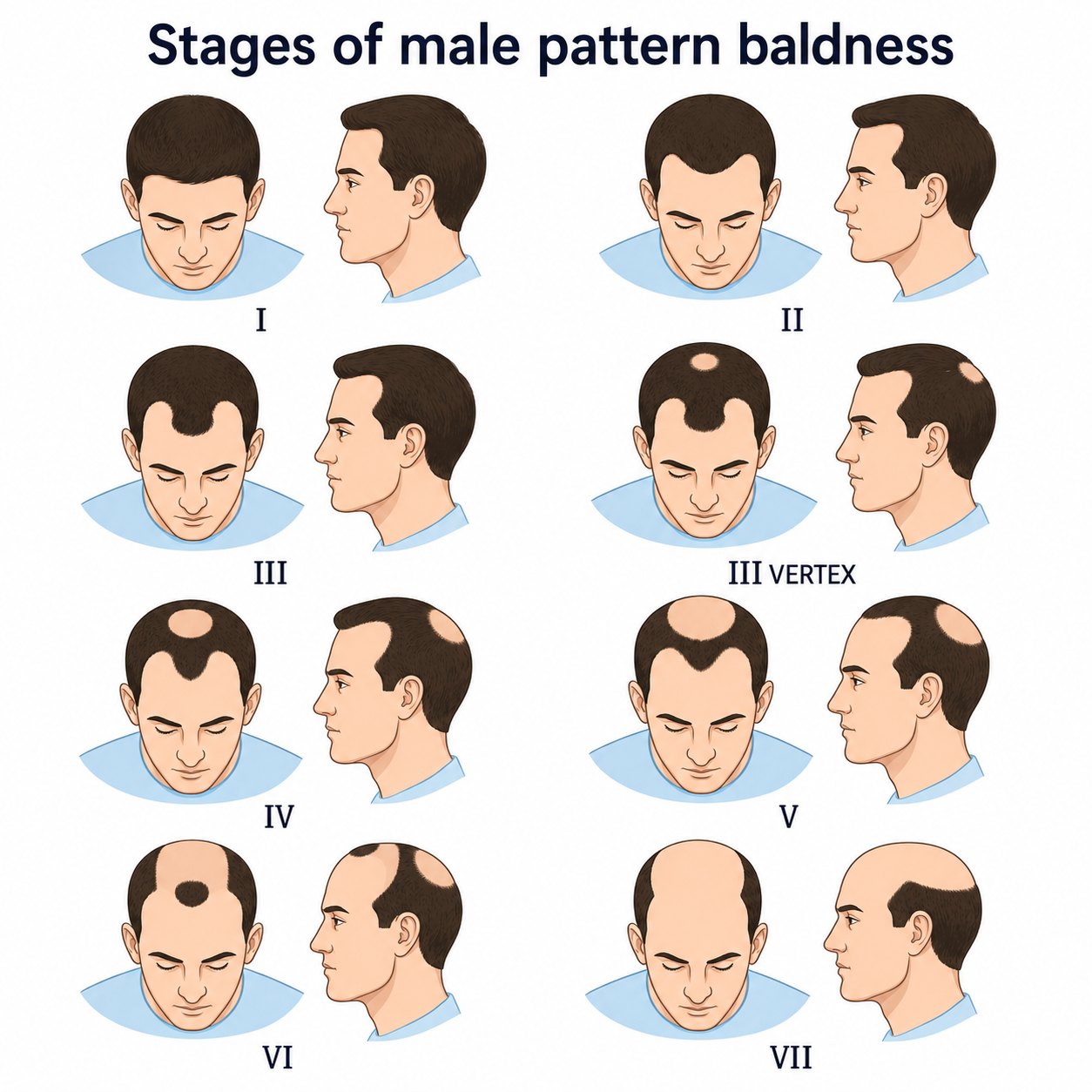
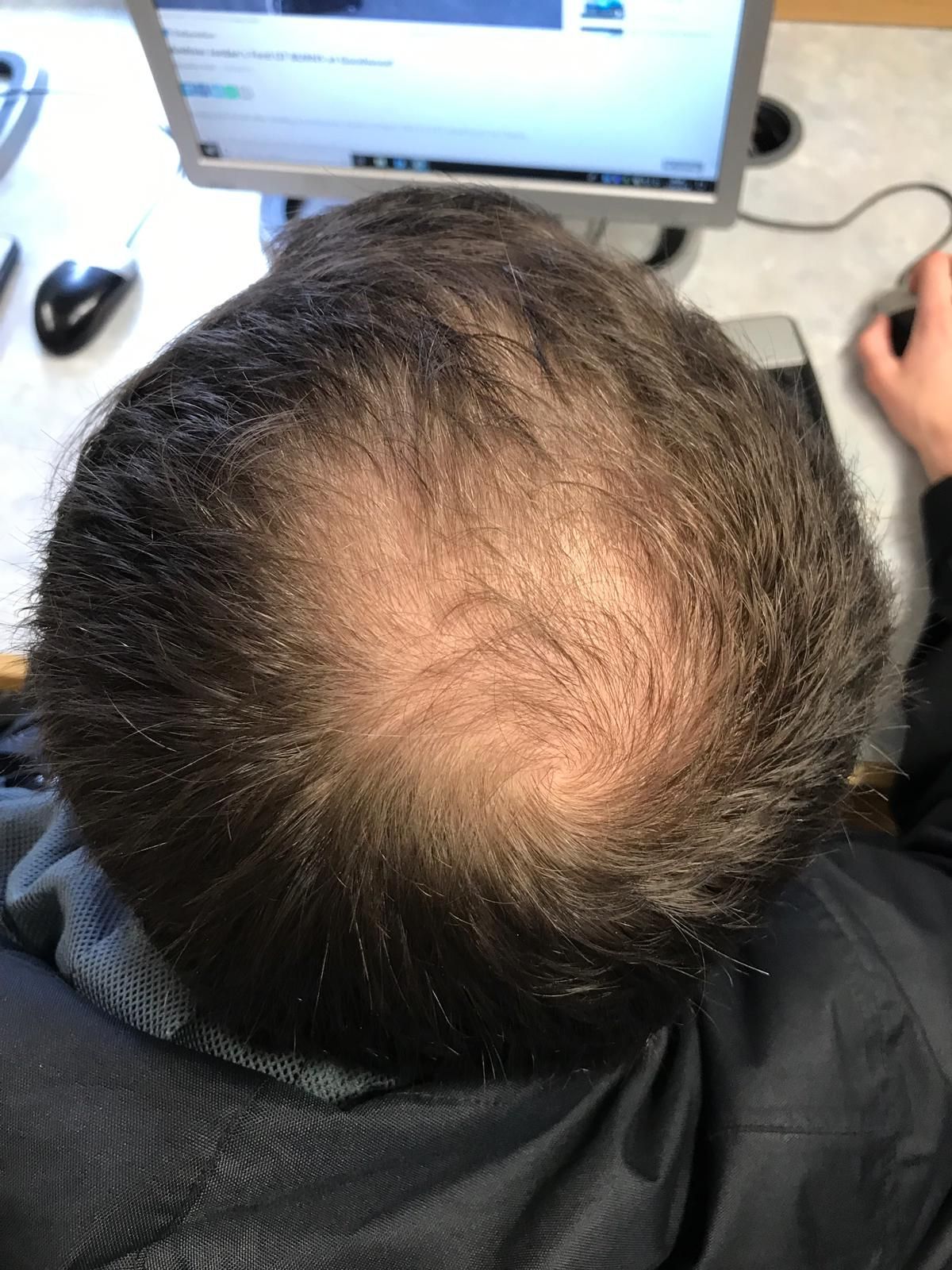
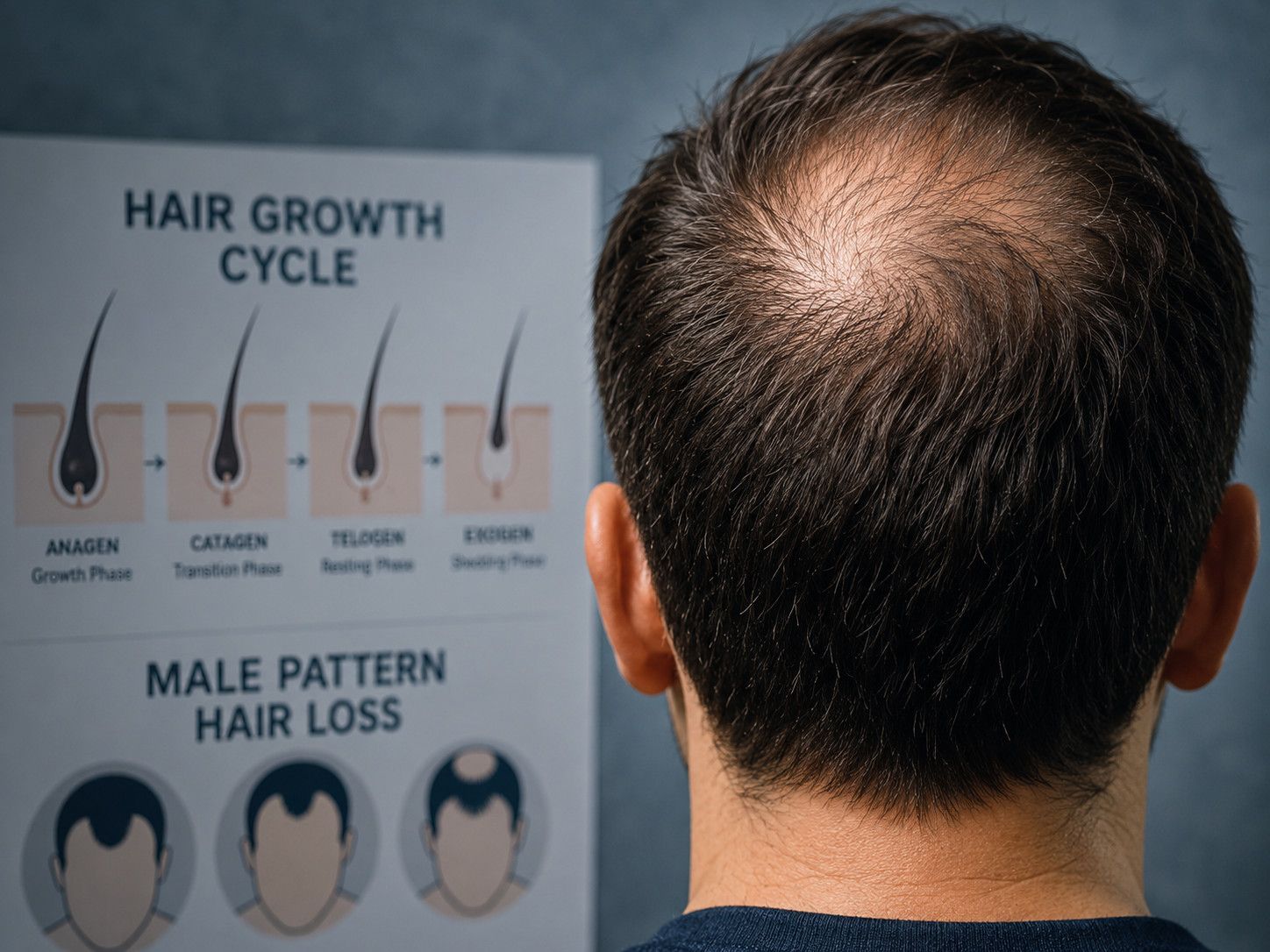
Androgenetic alopecia is also called pattern hair loss. Affected follicles gradually produce finer, shorter hairs. Common patterns include recession and crown thinning in men and thinning over the top of the scalp in women, although appearances vary.
The Norwood scale and Ludwig scale describe patterns and severity. They do not establish the diagnosis by themselves or provide an exact transplant graft count.
Medical treatment can help some people. Surgery may be considered where the diagnosis, donor supply and future plan are suitable. It does not stop all loss of surrounding native hair.
Alopecia areata, totalis and universalis
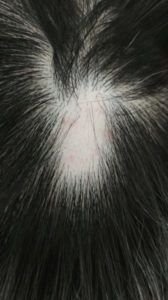
Alopecia areata is an autoimmune condition that can cause patches of hair loss on the scalp or elsewhere. Alopecia totalis describes loss of all scalp hair; universalis describes extensive loss of scalp and body hair. They are forms of the same disease spectrum, not separate stages everyone will pass through.
Hair can regrow, but the course varies and episodes can recur. The British Association of Dermatologists' alopecia areata leaflet explains assessment and treatment. A transplant is not usually suitable for alopecia areata because moving follicles does not address the underlying immune process.
Telogen effluvium
Telogen effluvium is increased shedding that can follow illness, childbirth, marked weight loss or another trigger. The shedding may begin months after the event. It can also occur alongside pattern loss.
Our telogen effluvium guide explains the timeline and reasons to seek assessment. Persistent diffuse shedding should not automatically be treated as a need for vitamins or transplantation.
Traction alopecia
Tight hairstyles can repeatedly pull on hairs and follicles, causing damage. Early loss may improve once that tension stops, but long-standing damage can be permanent. If a style hurts, loosen or change it; pain is not something you need to put up with to keep it in place.
The BAD traction alopecia information explains the condition. Treatment depends on the extent of damage and whether inflammation or scarring is present.
Scarring alopecia
Scarring alopecias are conditions in which inflammation can destroy follicles and replace them with scar tissue. Hair cannot regrow from a destroyed follicle. Early specialist assessment matters because treatment aims to control the process and protect remaining hair.
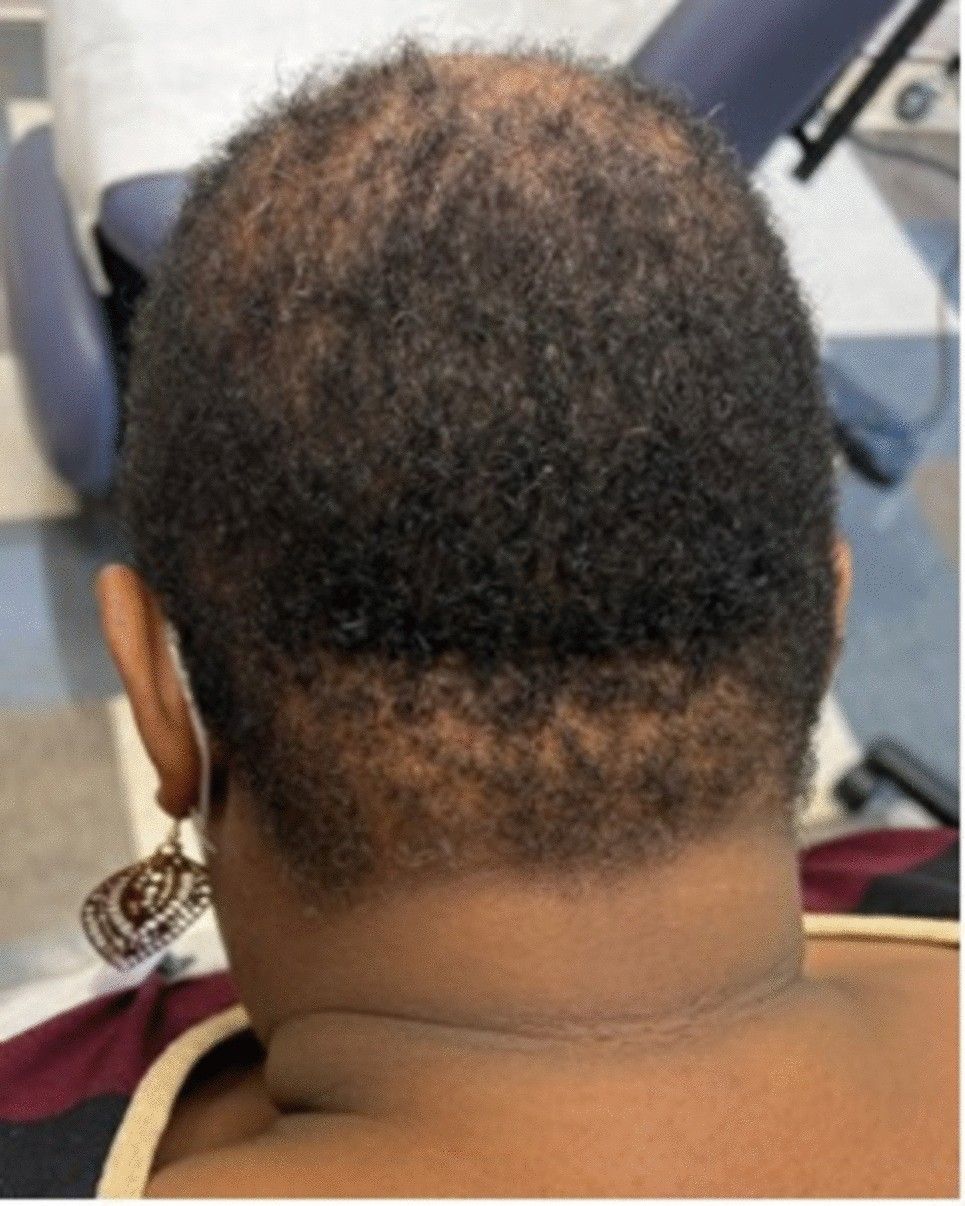
Examples include central centrifugal cicatricial alopecia and frontal fibrosing alopecia. The BAD CCCA leaflet explains one pattern that often begins around the crown. Transplant suitability, if considered at all, requires specialist assessment of disease activity and donor hair.
Describe the location, but do not mistake it for a diagnosis
“Occipital hair loss” describes loss at the back of the scalp, rather than a particular disease. A patch at the temple can also have several causes. Your age, medical history, symptoms and examination help explain what is happening.
Seek advice for sudden patches, progressive thinning, pain, itching or visible scalp changes. The NHS hair-loss page gives general guidance on getting help.
Questions and answers
Is all alopecia autoimmune?
No. Alopecia areata is autoimmune, while inherited pattern loss, traction and other forms have different mechanisms.
Will hair always grow back?
It depends on the cause and whether follicles have been permanently damaged. Regrowth and its timing cannot be guaranteed.
Can a transplant treat every type of alopecia?
No. Some conditions make transplantation unsuitable. A diagnosis and scalp assessment should come before a surgical plan.