FUE Hair Transplant
Individual follicular-unit grafts are extracted from the donor area through small circular extraction sites.
FUE hair transplantIf you live in Newcastle, email our London team about consultation options. We will confirm your appointment details directly.
Techniques: FUE, FUT, DHI
Approach: Surgeon-Led Planning
Fixed scalp packages 2,500 grafts £3,499 · 3,000 grafts £3,999
Finance Available
Patients from Newcastle upon Tyne, Gateshead, Sunderland, North Shields, South Shields, Durham and the wider North East can arrange a consultation about their hair loss and possible treatments.
The consultation should examine your hair-loss pattern and its likely progression, donor strength, hair calibre and texture, scalp health and medical history. You should also discuss what you realistically hope to achieve.
The donor supply is limited. Your plan should balance the area you want restored with the hair that can responsibly be used over time, rather than simply recommending a high graft count.
Before you decide on treatment, ask about aftercare and follow-up, including early healing, washing, shedding and the gradual return of growth.
Genuine patient before and after photographs from London Hair Transplant Clinics at different stages of hair growth.
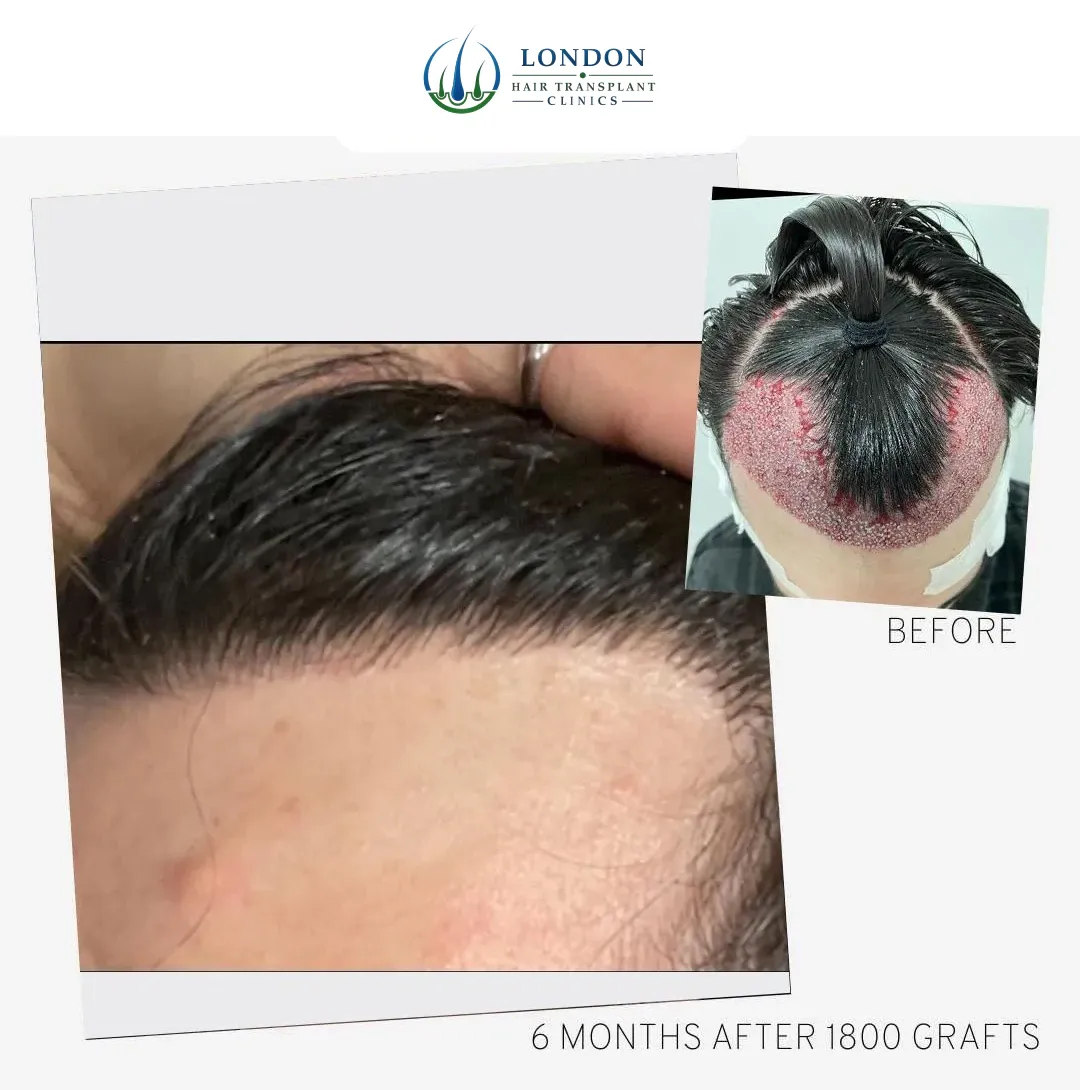
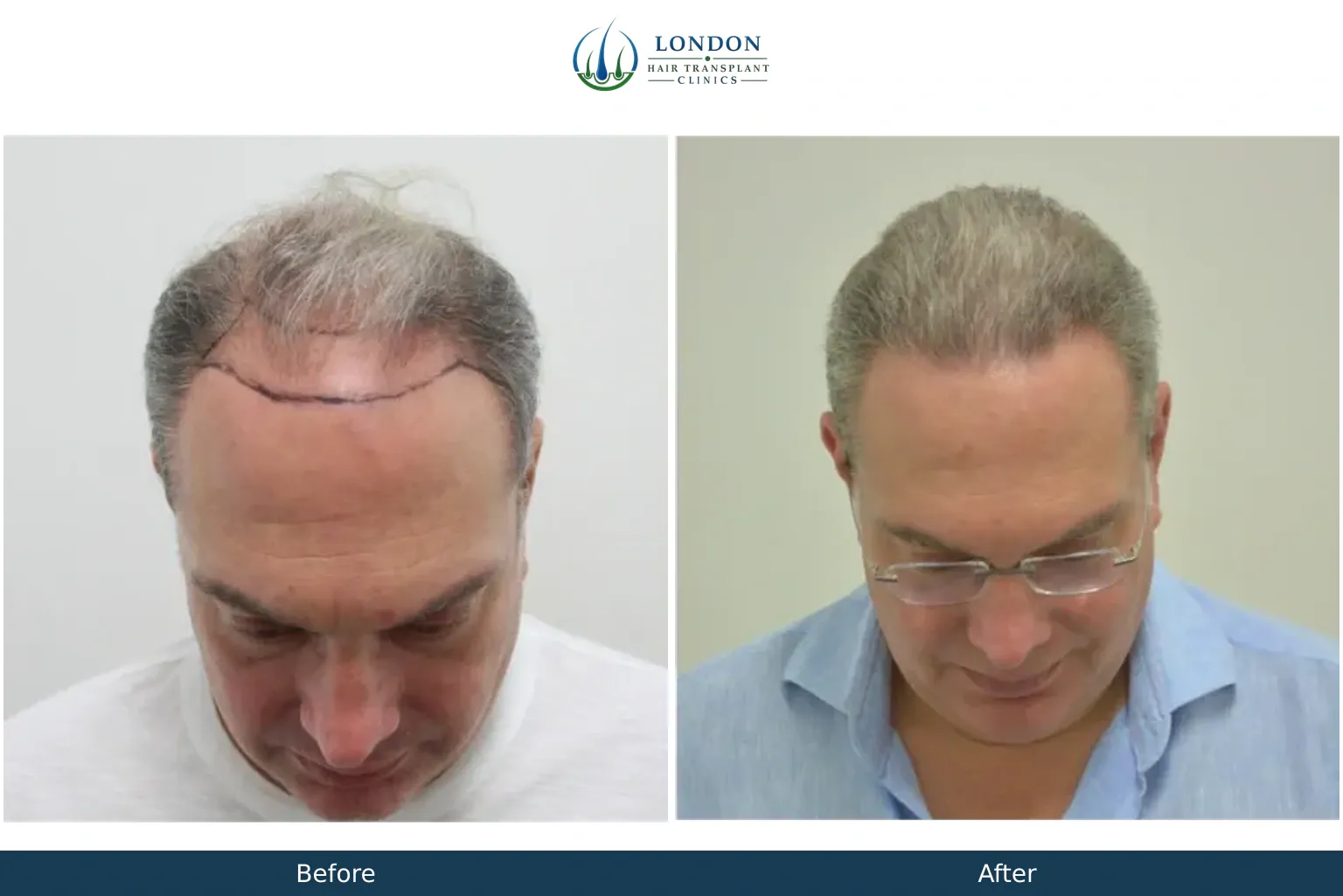
The appropriate treatment depends on your donor area, pattern of hair loss, hair characteristics, treatment goals and medical suitability.
Individual follicular-unit grafts are extracted from the donor area through small circular extraction sites.
FUE hair transplantDHI commonly combines individual extraction with implanter-device placement and may suit selected treatment plans.
DHI hair transplantFUT uses strip harvesting from the donor area and leaves a linear donor scar. It may be considered for selected patients.
FUT hair transplantHairline planning should account for facial proportions, natural graft direction, donor supply and possible future recession.
Hairline transplantCrown grafts need to follow the natural whorl. The plan must also manage how much donor hair is used.
Crown transplantFacial-hair restoration requires precise graft angle and direction to create natural beard, moustache or cheek coverage.
Beard transplantEyebrow restoration uses fine grafts positioned at shallow angles to reproduce natural brow direction.
Eyebrow transplantSelected women may be suitable for hairline, temple or localised scalp restoration after the cause and pattern of hair loss have been assessed.
Female hair transplantPRP is a non-surgical option that may be considered for selected thinning concerns where active follicles remain.
PRP hair treatment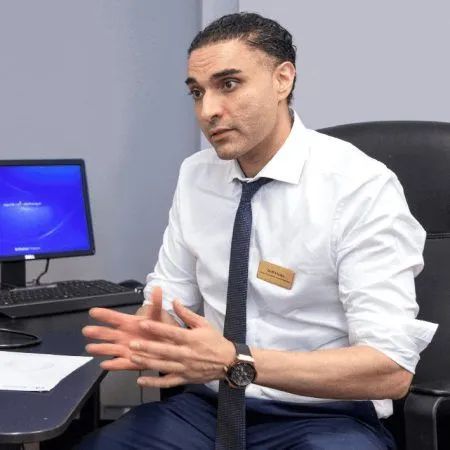
Dr Harpreet Kalra is the principal hair-transplant surgeon at London Hair Transplant Clinics. He plans around suitability, preserving donor hair and realistic long-term expectations, rather than starting with a fixed technique or graft count.
Assessment covers donor density, strand thickness and texture, the pattern of loss, age, medical history, scalp health, previous treatment and the area you want restored.
Dr Harpreet Kalra · GMC 7126076
Read Dr Kalra's profileThe fixed scalp packages are £3,499 for 2,500 grafts and £3,999 for 3,000 grafts. Both include a complimentary PRP treatment and 18 months’ free aftercare.
View hair transplant costsSelected patients may be able to reserve treatment without an upfront deposit and pay the agreed treatment cost on the procedure day, subject to assessment and written confirmation.
Read about the no-deposit optionTell us about your hair loss, treatment goals and preferred consultation location.
Your donor area, hair-loss pattern, medical history and expectations are reviewed.
Discuss the proposed technique, treatment area, likely graft count and quote.
Recovery guidance covers washing, healing, shedding, exercise and the gradual growth period.
Yes. A consultation can be requested to discuss your hair-loss pattern, donor area, medical history, possible treatment options, recovery and expected costs.
Depending on suitability, treatment planning can include FUE, DHI, FUT, hairline restoration, crown restoration, beard and eyebrow transplantation, female hair restoration and selected non-surgical options such as PRP.
The fixed scalp packages are £3,499 for 2,500 grafts and £3,999 for 3,000 grafts. Both include a complimentary PRP treatment and 18 months’ free aftercare.
The size of the area, existing hair, donor density, strand thickness and other hair characteristics determine the grafts needed for coverage that can safely be achieved.
Neither is automatically better for every patient. DHI mainly describes an implantation approach, while the overall treatment plan also depends on donor supply, graft requirements, treatment area and long-term planning.
Yes, some transplanted hair shafts can shed during the weeks after surgery. This does not automatically mean that the transplanted follicular units have been lost.
The first visible growth commonly appears over several months. Density and strand thickness improve gradually, rather than all at once.
No. Transplantation redistributes selected donor follicles, but surrounding native hair can continue to thin. Long-term planning should take possible future progression into account.
Yes. Selected women may be suitable for transplantation, but the cause and pattern of hair loss and the condition of the donor area should be assessed before surgery is recommended.
Dr Harpreet Kalra is the principal hair-transplant surgeon at London Hair Transplant Clinics. His GMC reference is 7126076.