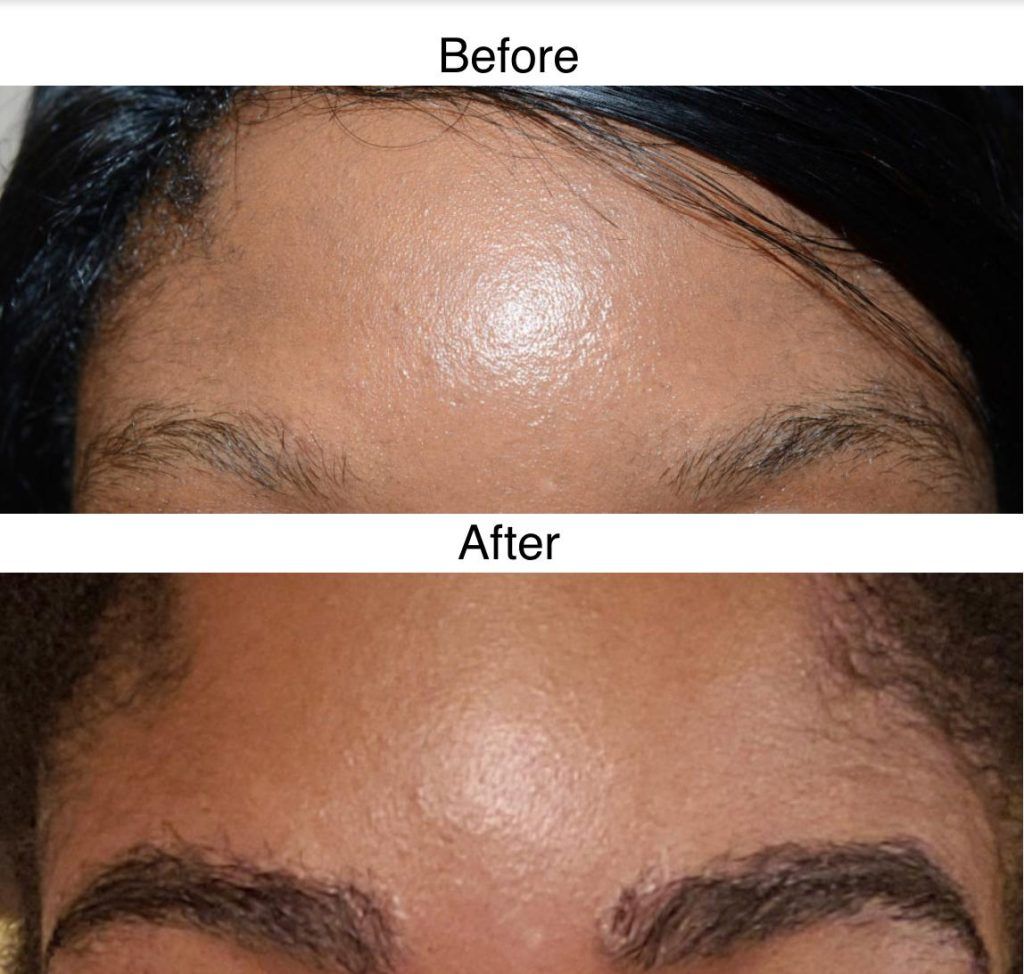
Shina’s Case Study
500 grafts · Around 10 months
Follicular unit extraction (FUE)
Area: Eyebrows
Method Used: FUE (Follicular Unit Extraction)
Approach: Surgeon-Performed
Finance Available
A gap at the tail of one brow calls for a different plan from thinning across both. If the shape has been stable for years, you can discuss filling the part you usually pencil in. If the loss is recent or spreading, finding the cause comes first.
Bring a photograph of your brows before they thinned, if you have one. A second photo showing how you wear them now can be just as helpful. Point out the hairs you want to keep and where you would like more definition. The direction of those hairs changes along the brow, so the angle matters as much as the outline.
An eyebrow transplant uses small grafts, usually taken from the scalp. Scalp hairs can grow longer than the brow hairs beside them and may need regular trimming. Ask the surgeon how much of your existing brow they expect to keep and how the new hairs should sit as they grow.
Before you book, ask for written aftercare instructions, when you can use brow make-up again and who to contact if the skin becomes painful or swollen.
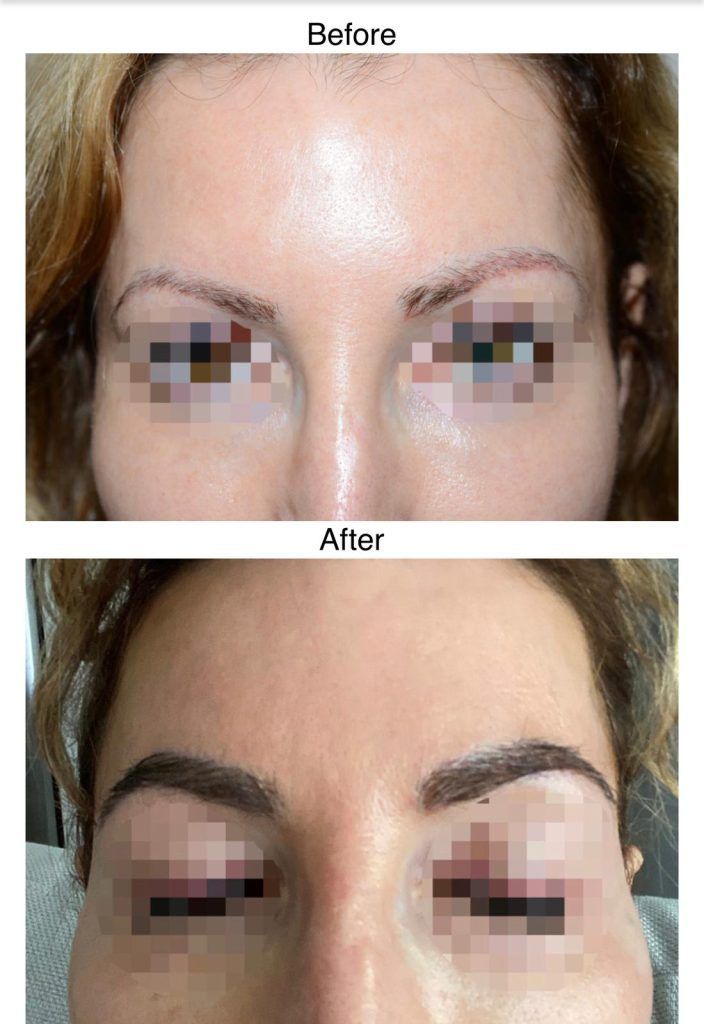
The pattern of loss can change the advice. A gap left by an old injury, a tail that has been sparse since years of plucking and a brow that has suddenly started to shed may look similar with make-up on. Bring a photograph without brow pencil if you can. Tell the doctor whether the skin has changed and whether hair is thinning on your scalp as well.
Some conditions affect the brows before the scalp changes become obvious. One example is frontal fibrosing alopecia, which can also affect the hairline. A transplant cannot stop active inflammation. If both brows are changing, or your hairline is moving back at the same time, ask your GP or dermatologist for an assessment before deciding on surgery. The British Association of Dermatologists explains frontal fibrosing alopecia.
You and the surgeon first agree the start, arch and tail of each brow. Sit upright and check the drawing with your face relaxed, then raise your brows and look again. One brow may naturally sit higher than the other. An outline that looks balanced on paper may look quite different when you speak or smile.
Under local anaesthetic, the surgeon takes donor follicles, usually from the scalp. Fine, single-hair grafts can be chosen for the brow. Near the nose the hairs tend to point more upwards. Farther along they meet at shallower angles and lie closer to the skin. Placement has to follow the neighbouring hairs in each part. Filling a small gap takes the same attention to direction as filling a longer section.
Make arrangements for the days when the brows look freshly treated. You may have swelling or small crusts, and rubbing a towel or pulling a jumper over your face can catch the area. Follow the clinic’s instructions for cleaning it and putting products near the grafts. Contact the team promptly about severe pain or unexpected symptoms.
The short shafts visible straight after surgery can shed before new ones grow. Judge progress with occasional photographs from the same distance, in daylight and without pencil. Once the new hairs are growing, some may need trimming more often than your existing brows. Have the team show you how to judge the length before you trim them for the first time.
It is possible to plan around a single gap. Both brows still need to be examined, because the angle and thickness on the other side offer a reference. If the gap is changing, understanding the cause comes first.
Microblading places pigment in the skin to imitate strokes of hair. A transplant places living follicles, so the result has texture and can grow. Existing pigment and its shape matter when drawing a new outline. Mention past microblading at the first appointment and bring a photo taken before the pigment was applied if you have one.
Sometimes. Scarred skin can be firmer, and graft growth can be less predictable there. The surgeon needs to examine the scar, its edges and the available donor hair before estimating how much of the gap can be covered.
Old photographs help with shape, but scalp donor hair can have a different curl, thickness or growth length from brow hair. Ask to see healed results that show the hairs close up, without drawn-in edges. A clinic-wide success percentage cannot predict the outcome for your brow.
Contact our team to discuss an eyebrow consultation in London.
Book Your Free Consultation Today