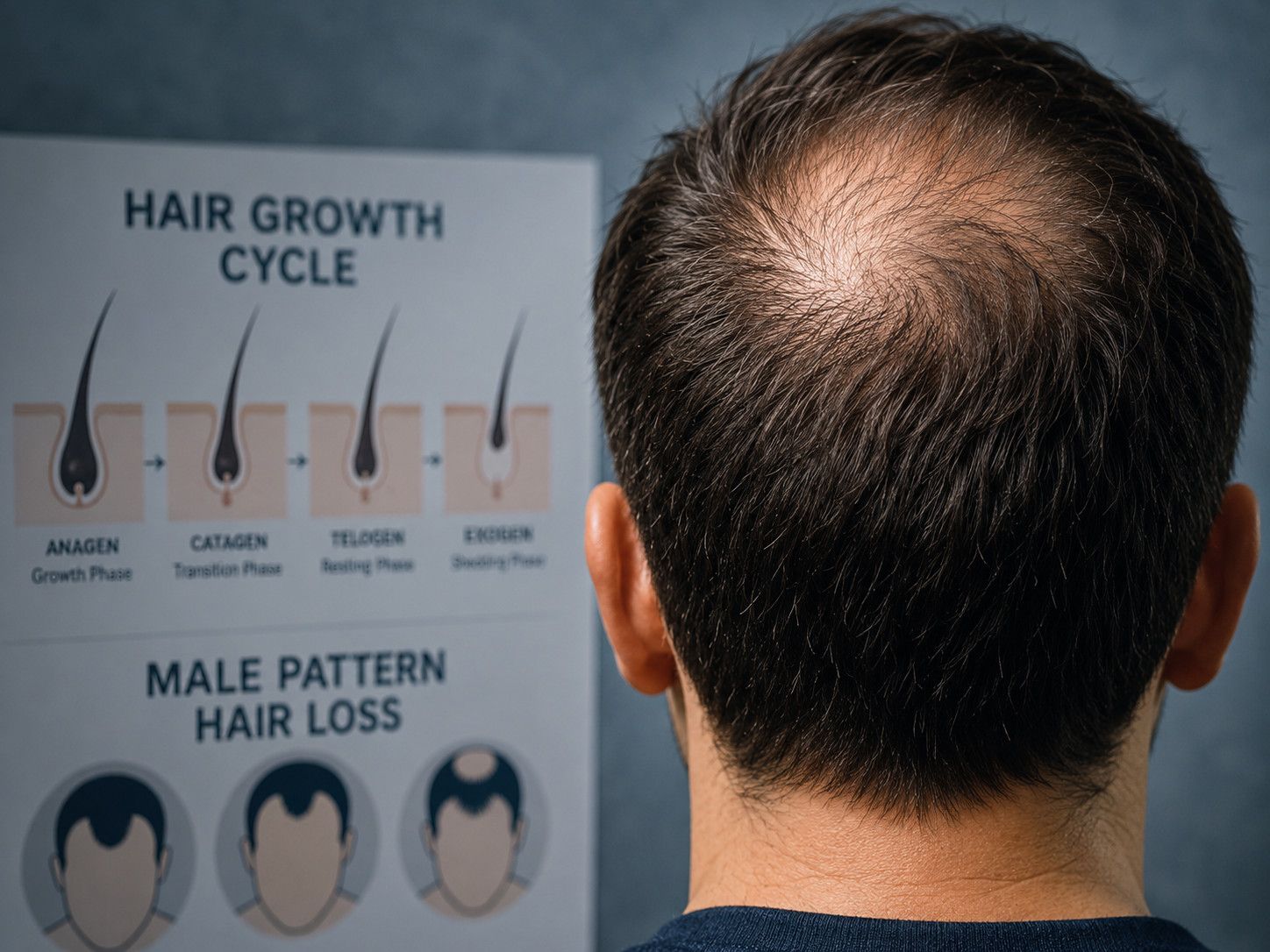
The hair growth cycle: why shedding and regrowth take time
Follicles move through growth, transition and rest. They do not all follow the same timetable.

On this page
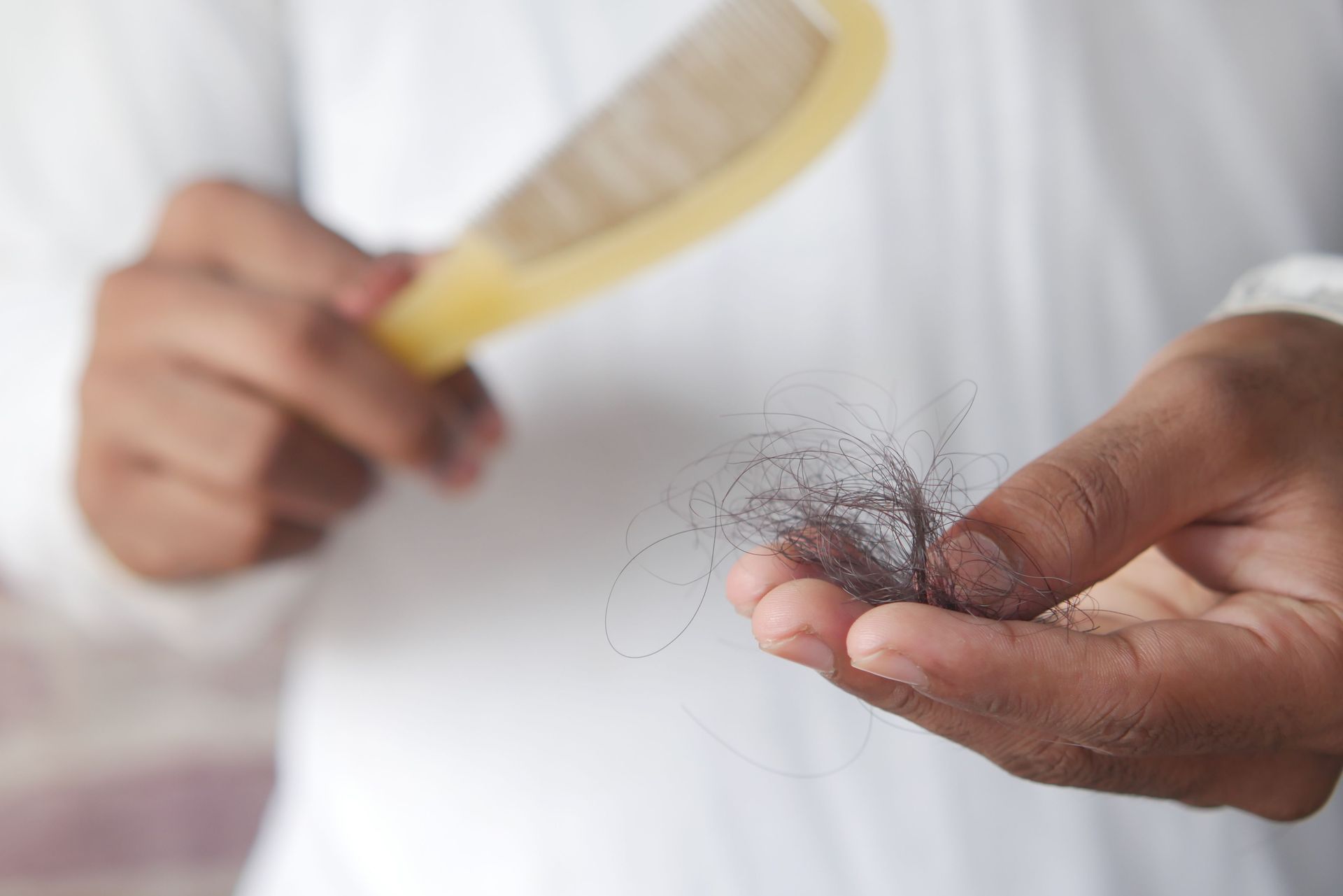
Hair grows in cycles. Individual scalp follicles spend time growing a strand, moving through a short transition and resting before the hair is released. Because follicles are at different stages, ordinary shedding does not mean all the hair is stopping growth at once.
Anagen: active growth
During anagen, cells in the follicle produce the growing hair shaft. Scalp hairs can remain in this phase for years. The duration varies and helps determine how long an individual strand can grow before it is shed.
Trimming changes the visible length, but it does not directly lengthen the follicle's growth phase. Conditioner can improve the strand's feel and reduce damage; it does not create a new follicle. Our hair structure guide explains the anatomy behind that distinction.
Catagen, telogen and release
Catagen is a short transition in which growth stops and the lower follicle regresses. Telogen is the resting phase. The old hair is eventually released, sometimes described separately as exogen, while the follicle can begin another growth cycle.
These phases overlap across the scalp. An individual hair falling out does not tell you which phase every other follicle is in. Nor can a single photograph show whether shedding is normal for you.
When increased shedding appears after a delay
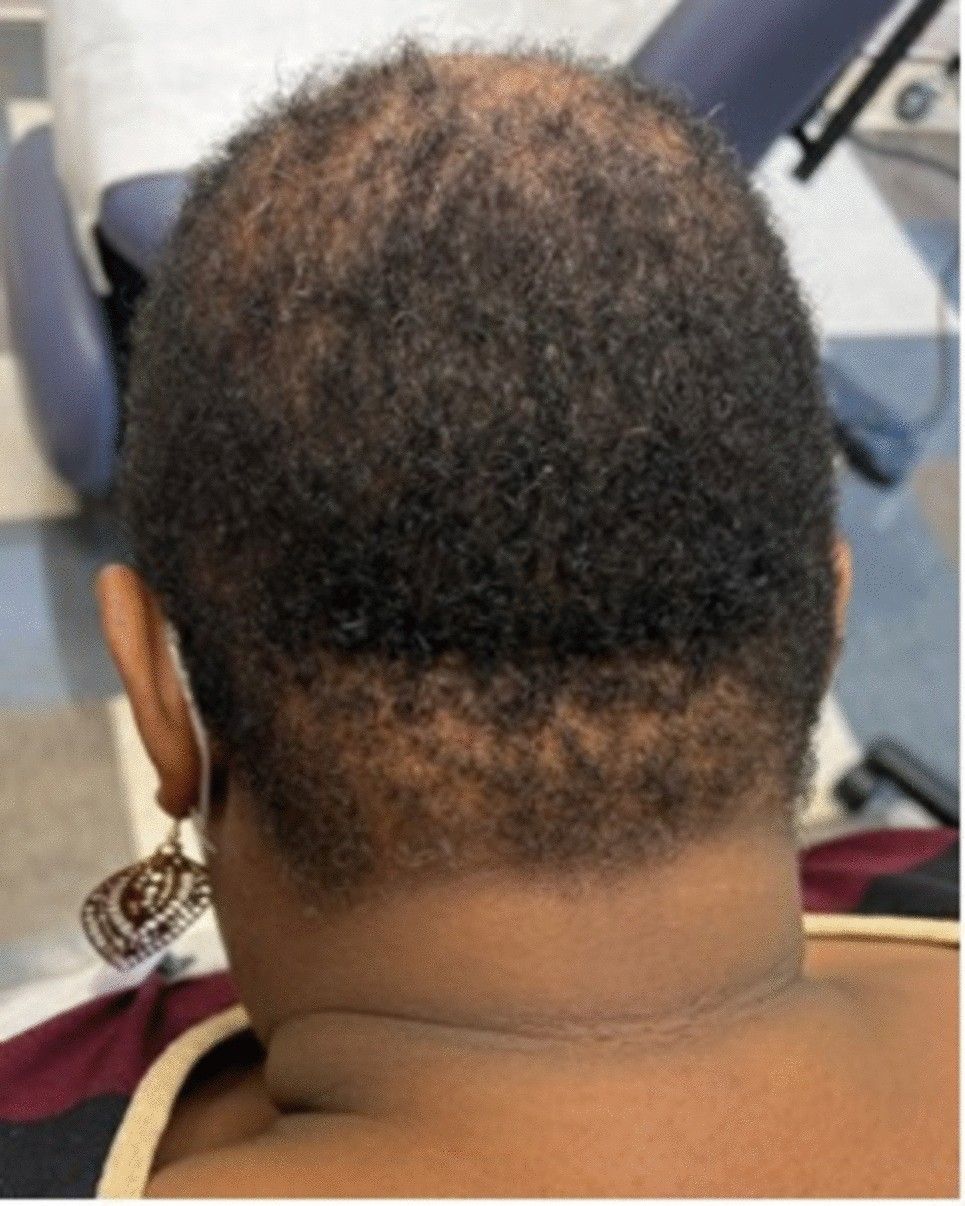
Illness, surgery, childbirth, marked weight loss and other triggers can shift more follicles into rest. The resulting shedding may become noticeable several months later. That delay is why a history of the preceding months is useful during an assessment.
The British Association of Dermatologists' telogen effluvium information explains this process. It also distinguishes shedding from other causes of thinning. If the trigger resolves, the visible return of fullness still takes time because new hair has to grow.
Pattern loss changes the hairs produced
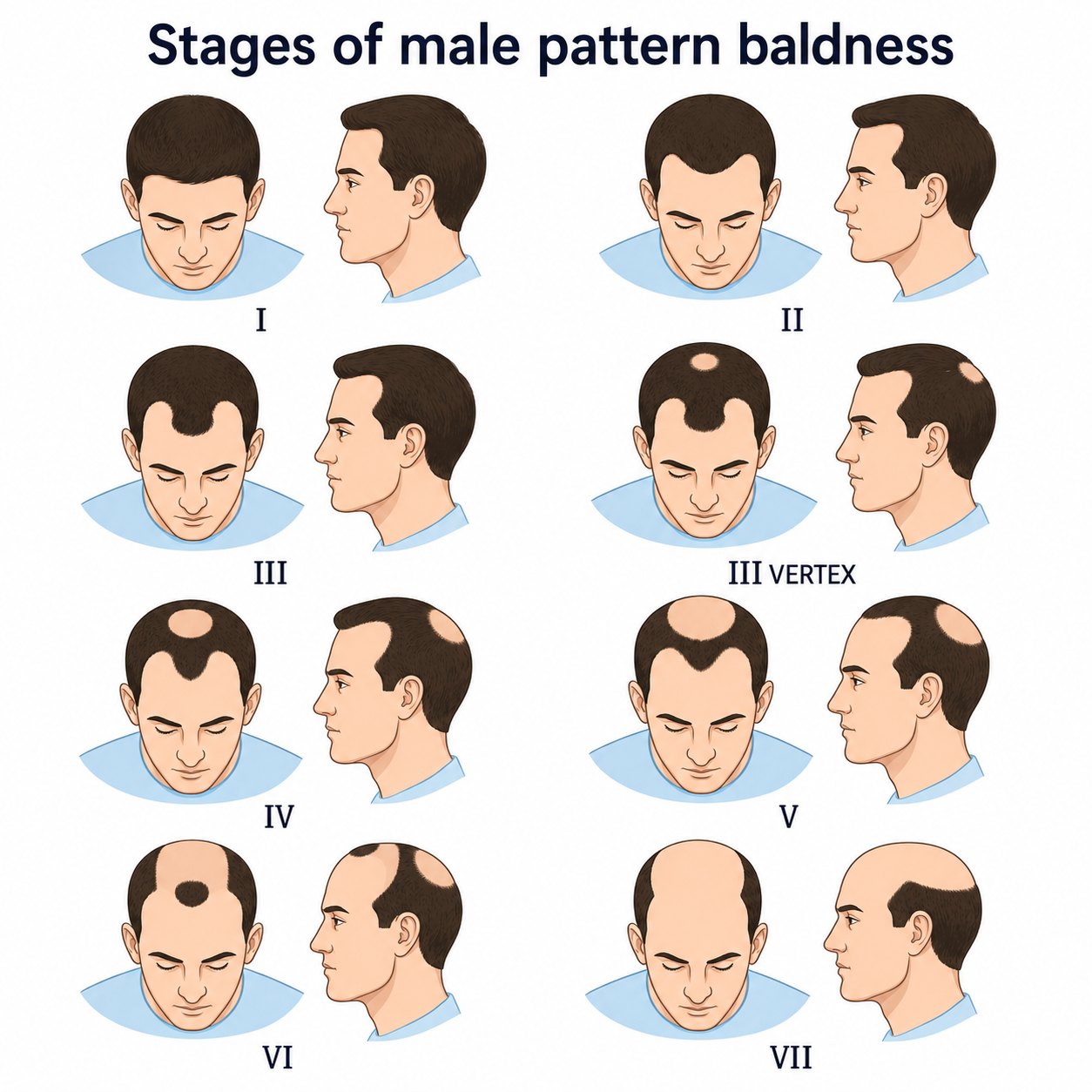
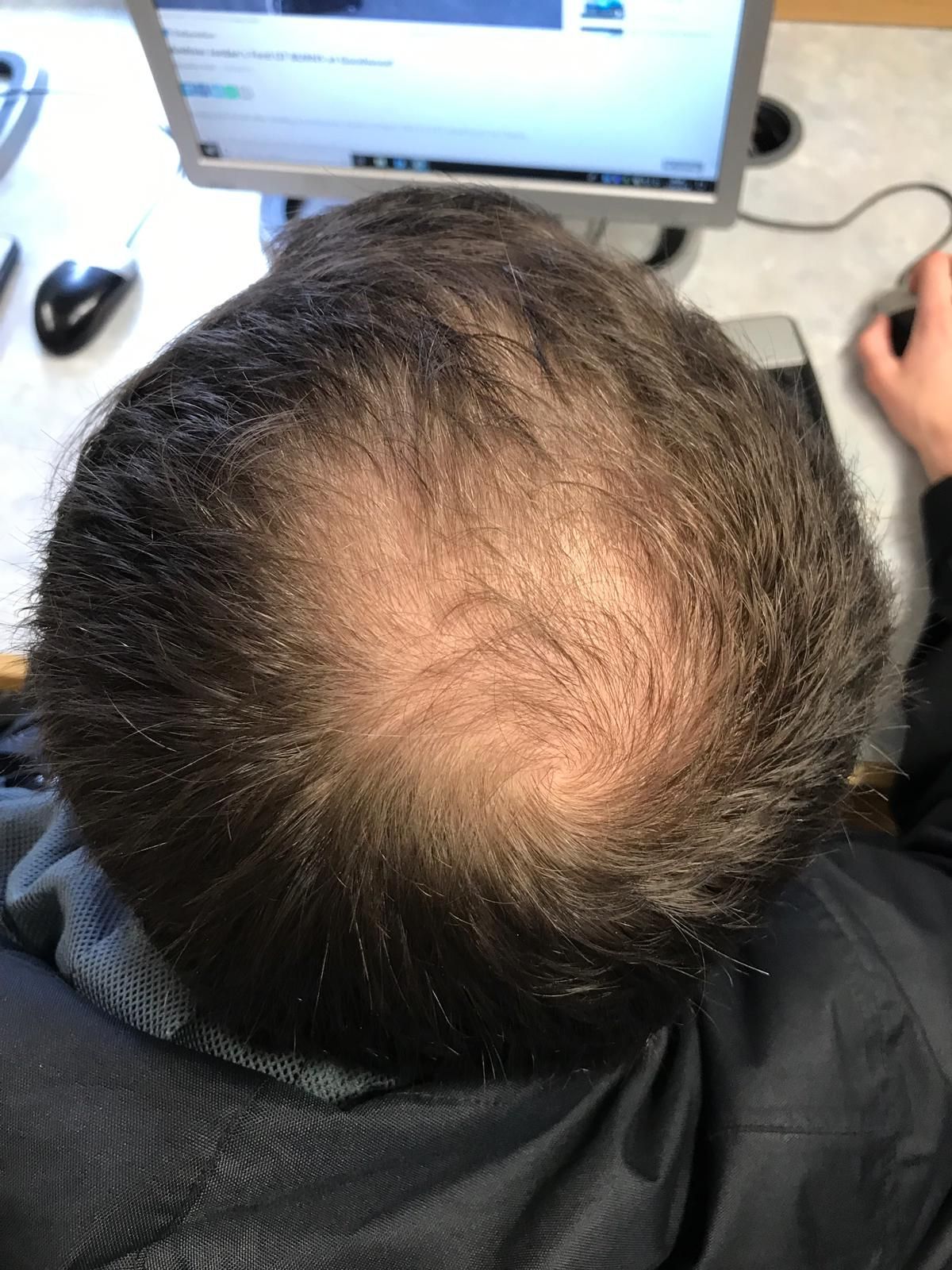
In pattern hair loss, susceptible follicles progressively produce finer and shorter hairs. The scalp can become more visible even without a dramatic sudden increase in shedding. This process differs from a single temporary shedding episode.
The two problems can occur together. Temporary shedding may reveal an area already affected by finer, smaller hairs. Treatment needs to address the diagnosis rather than assume every type of loss comes from the same change in the hair cycle.
The cycle after a transplant
A transplant moves follicles, not just the visible shafts. Transplanted hairs may shed after the operation, while later growth develops over months. The timing and extent vary, so neither early shedding nor a few early growing hairs establish the final result.
Healing and growth are separate assessments. Increasing pain, discharge or an inflamed scalp should be reported promptly rather than dismissed as a normal stage of the cycle. The treating clinic should explain when and how it will review both healing and growth.
See our aftercare guide for general context and follow the personalised instructions from your surgical team.
When to seek an assessment
Seek advice about persistent thinning, sudden patches, scalp symptoms or shedding that worries you. Explain when it started, where it is happening, any recent health changes and the medicines you take. That history is more useful than counting every shed hair.
Questions and answers
Does every shed hair mean a follicle has died?
No. Release of an old hair is part of a normal cycle. Some diseases can permanently damage follicles, which is a separate issue requiring assessment.
Can I force all my hair into the growth phase?
There is no safe universal routine that guarantees this. Treatment needs to address the cause of loss and its individual benefits and risks.
Why does hair still look thin after shedding slows?
New hairs need time to gain length and contribute to visible coverage. Other causes of thinning may also be present.