consultation enquiry

Hair Transplant London
Surgeon-led care with Dr Harpreet Kalra
GMC reference 7126076
Fixed hair transplant prices
2,500 grafts — £3,499
3,000 grafts — £3,999
Both prices include a complimentary PRP treatment and 18 months’ free aftercare. View full pricing.
Contents [show] [hide]
- Is hair transplant surgery an option for me?
- Before & After Results
- Why Choose Us
- Hair Restoration Procedures
- Hair Transplants in London
- What happens on the day?
- Our Surgeon
- Aftercare & Support
- Comparing a quote with the result you want
- Hair Loss Treatment Guides
- Hair Loss Medication Guides
- Latest Articles
- Free Consultation
Hair restoration in London
In London, you can discuss a receding hairline, a thinning crown or gaps in your brows or beard. The consultation starts with where you have lost hair, how long it has been changing and what you would like treatment to achieve.
Dr Harpreet Kalra is the clinic’s hair transplant surgeon. His GMC reference is 7126076.
Is hair transplant surgery an option for me?
The first appointment is a chance to find out why hair has thinned and whether moving hair would help. A hairline that has gradually receded over years calls for a different assessment from a patch that appeared last month. Tell the doctor about soreness, scaling or a sudden increase in shedding. Recent or unexplained loss may need investigation before there is a sensible surgical plan.
A transplant uses follicles from another part of your own scalp. There are two areas to examine, even when only one bothers you. The surgeon needs to see how much hair could be moved and how the donor area would look afterwards. If the crown and the front are both thinning, decide which you would prioritise if there is only enough donor hair for one.
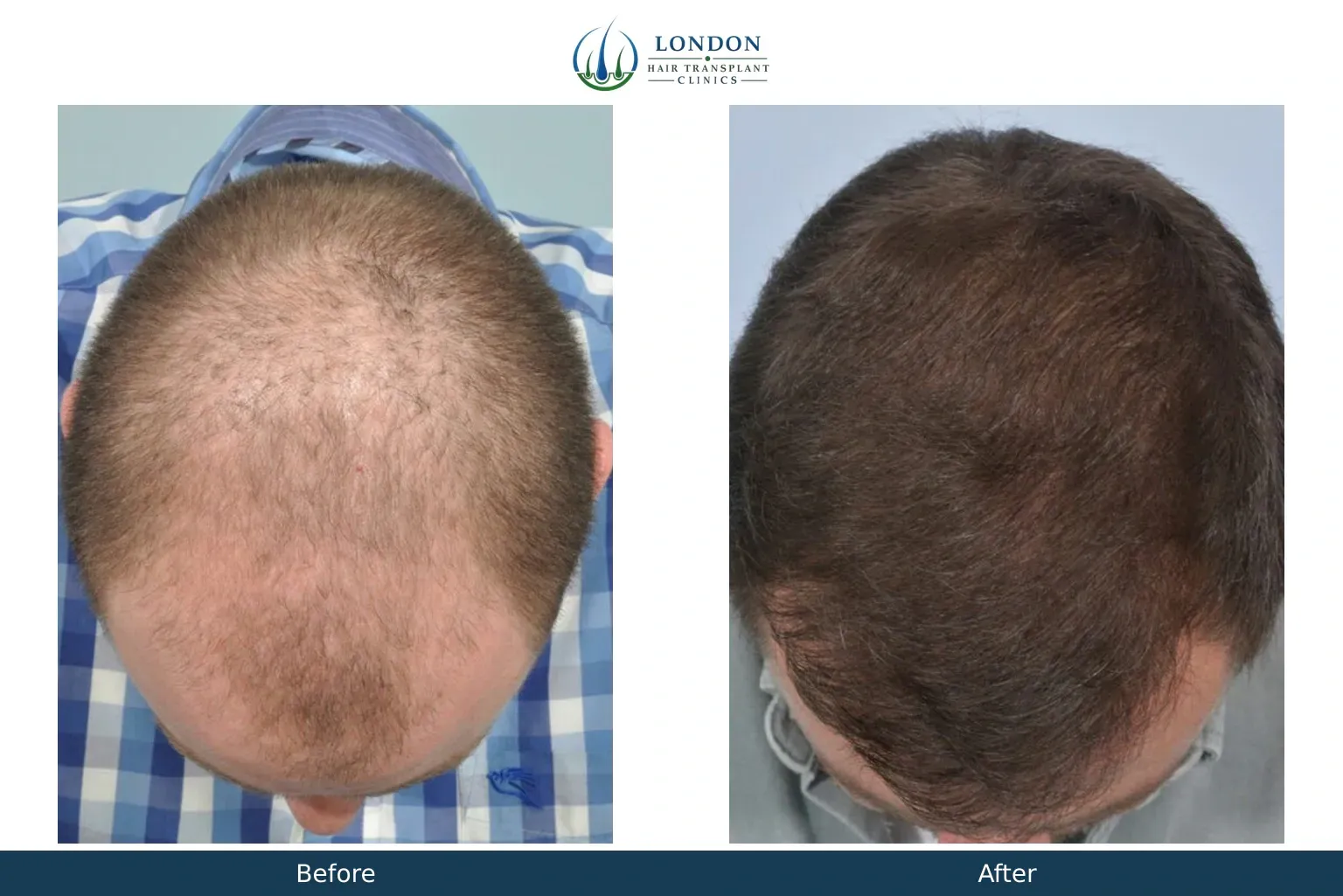
Hair Transplant Before & After Results
Before you choose a clinic
GMC-registered doctor
Dr Harpreet Kalra is on the GMC register: reference 7126076.
Patient photographs
Our gallery shows patients before treatment and at follow-up.
Free consultations
Use the enquiry form to arrange a consultation, or email enquiries@londonhairtransplantclinics.co.uk.
Payment plans
You can discuss payment options at your consultation.
Scalp, beard and eyebrow treatments
Which treatment fits depends on why the hair has thinned and how much donor hair is available. Start with the area you want to discuss.
FUE Hair Transplant
With FUE, the surgeon takes small groups of hairs one at a time. If you wear the back of your hair short, ask where the small extraction scars might show.
FUE Hair TransplantBeard Transplant

For a beard transplant, point out the gaps you would like to fill. The surgeon can assess the donor hair and the direction of growth in the surrounding beard.
Beard TransplantEyebrow Transplant
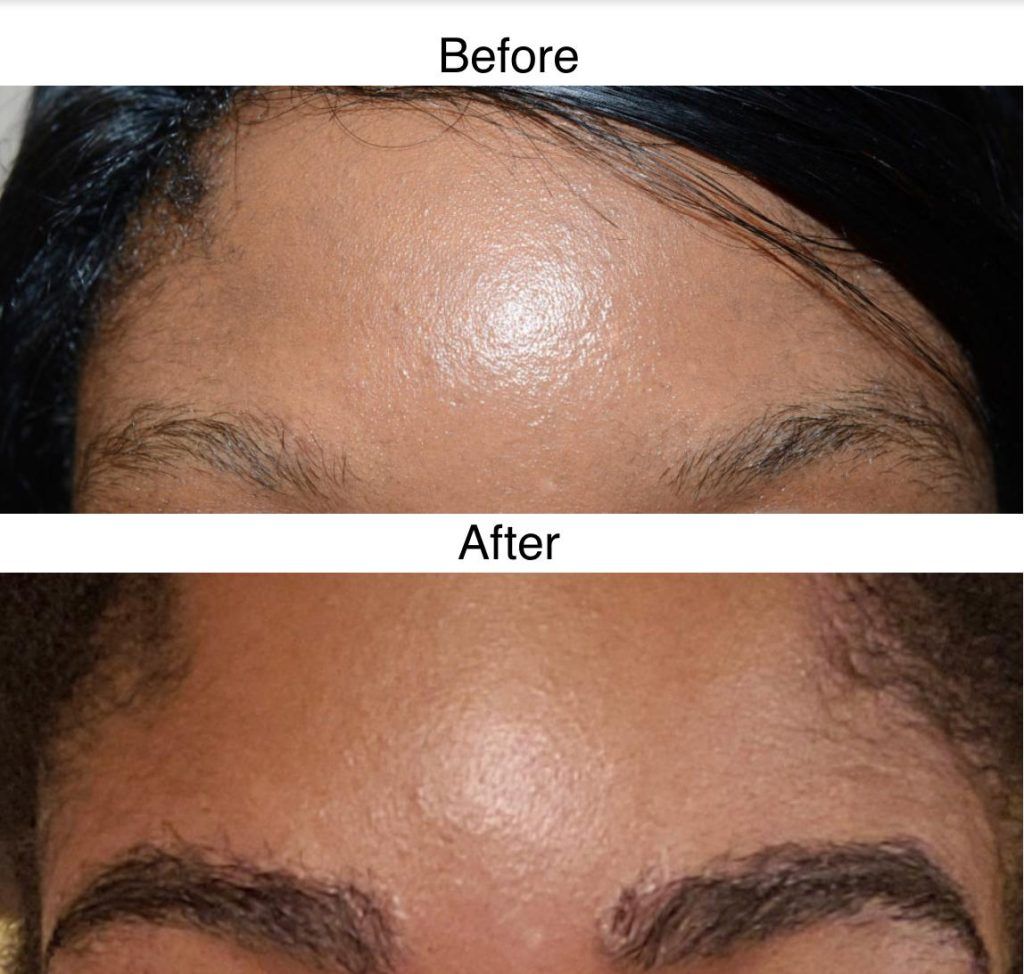
A brow transplant can add hairs to a stable gap. Scalp hairs used for this purpose can grow longer than the brow hairs beside them, so they may need trimming.
Eyebrow TransplantMore Treatment Options
DHI Hair Transplant
DHI normally combines individual follicular-unit extraction with graft placement using an implanter device.
An implanter controls the depth, angle and direction of placement. Whether DHI suits you depends on the recipient area, donor hair and the rest of your treatment plan.
Find out more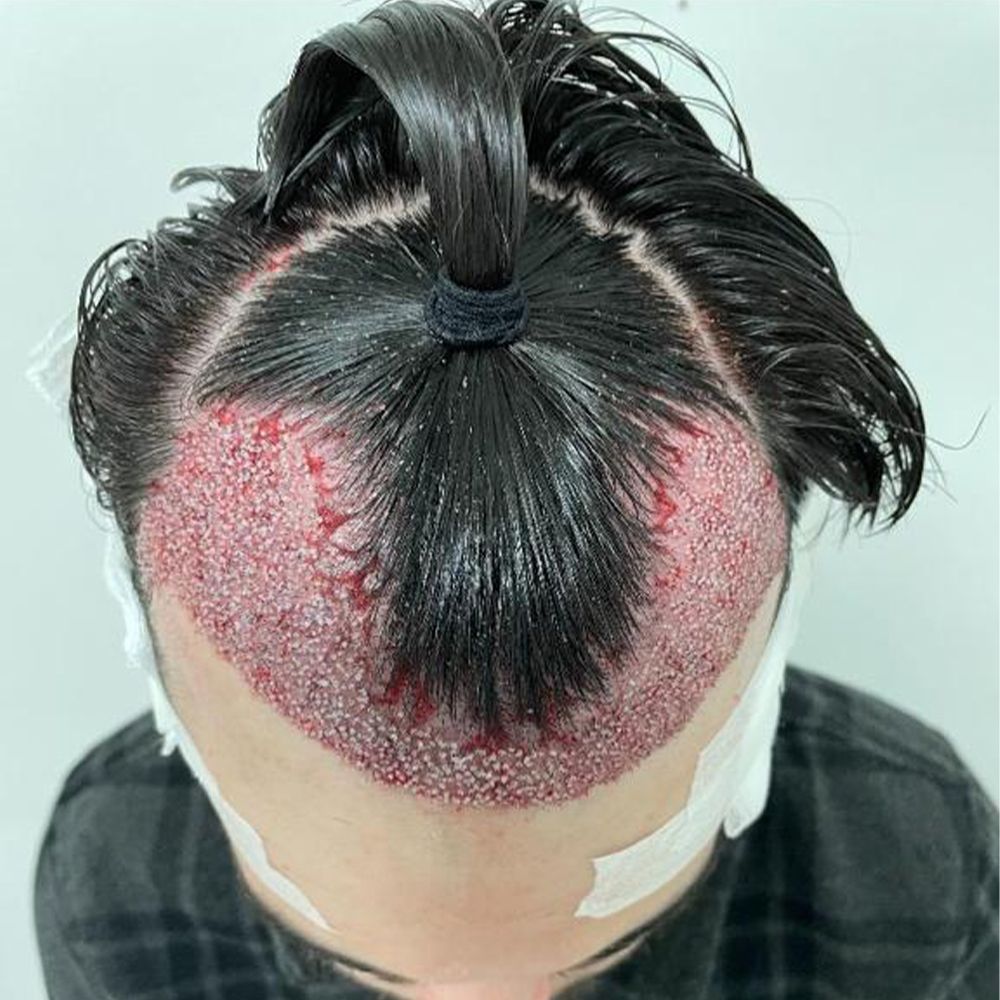
FUT Hair Transplant
With FUT, a narrow strip of hair-bearing scalp is removed from the donor area and divided into individual follicular-unit grafts for transplantation.
FUT leaves a permanent linear donor scar but may still be appropriate for selected patients depending on donor supply, scalp laxity and graft requirements.
Find out moreCrown Hair Transplant
A crown transplant restores thinning through the vertex by placing grafts to follow the patient’s natural crown or whorl pattern.
A crown can need a substantial number of grafts. Its size, your donor supply and the likelihood of further thinning all need to be considered.
Find out more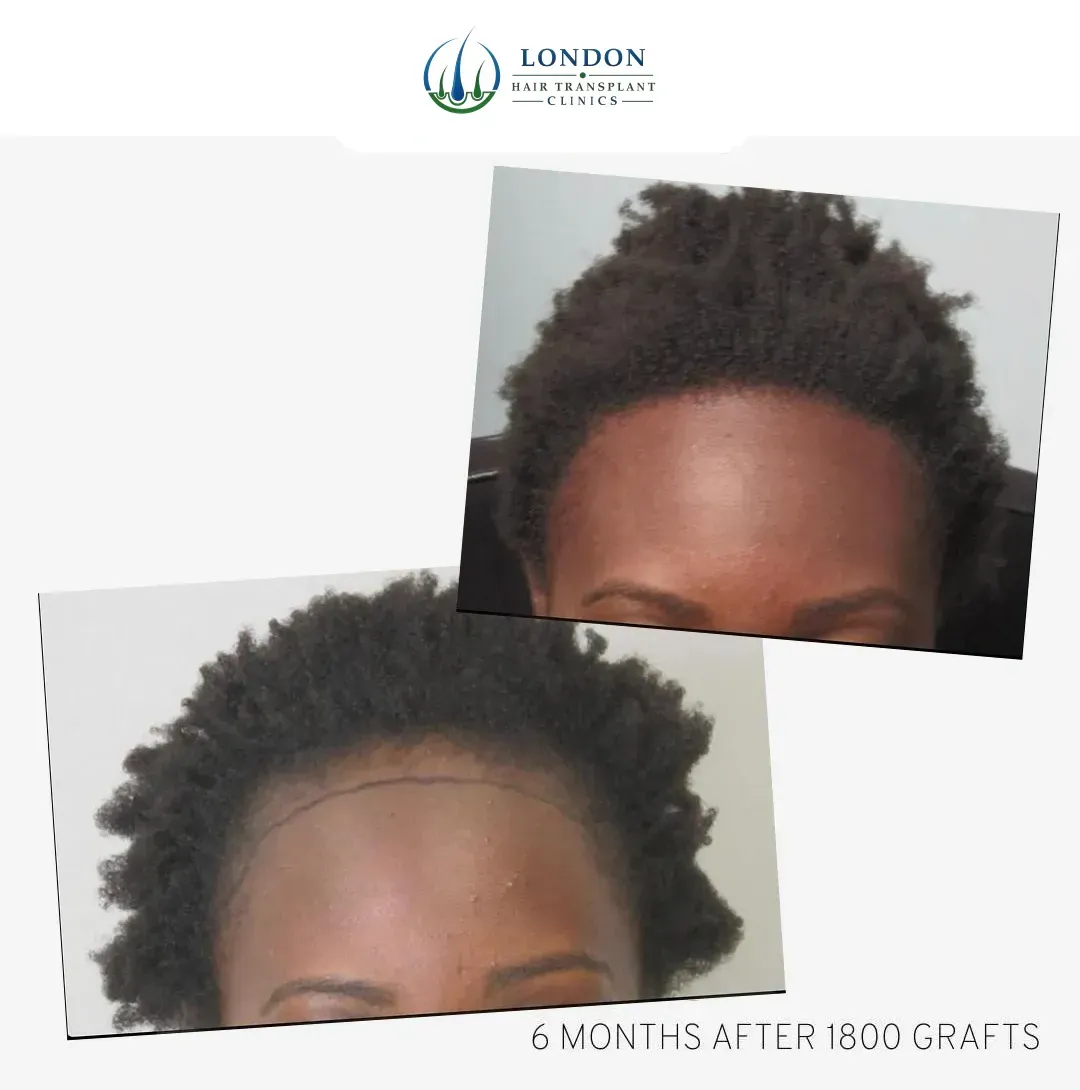
Gender-affirming Hair Transplantation
Gender-affirming hair transplantation can address the frontal hairline, temples, scalp or facial hair. The plan is shaped by the individual’s existing growth pattern, donor supply and treatment goals.
Find out more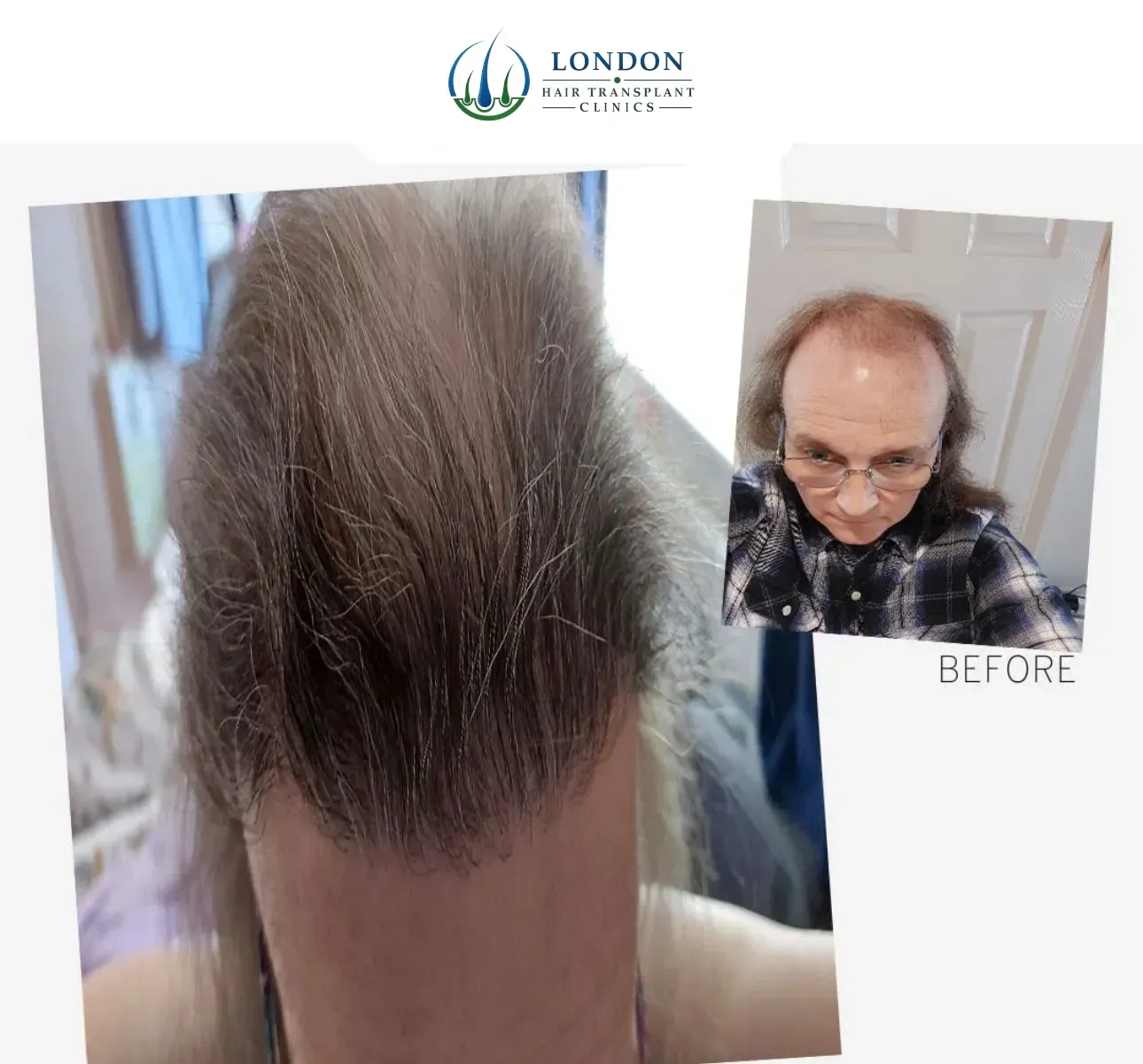
PRP Hair Treatment
PRP is a non-surgical treatment. A blood sample is processed to prepare platelet-rich plasma, which is then introduced into selected areas of thinning hair.
PRP does not move donor follicles and therefore cannot physically rebuild an absent hairline in the way transplantation can.
Find out more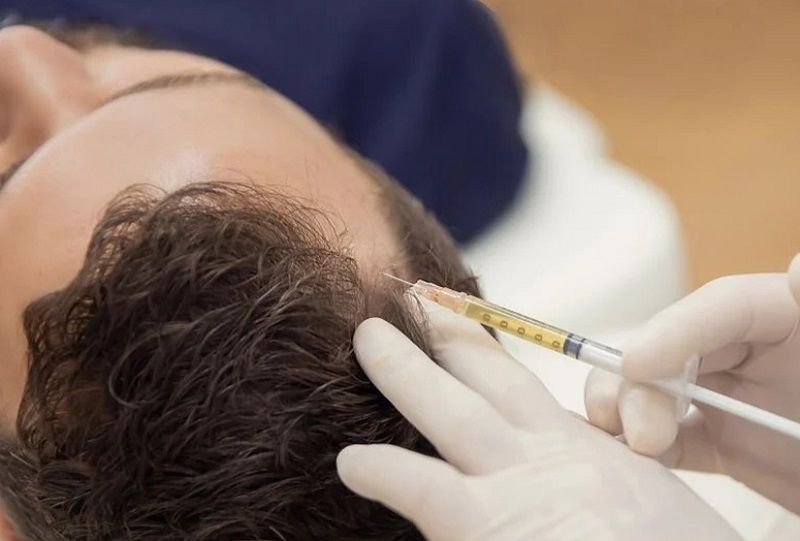
Find out which treatment may be suitable for you at a free consultation with our team.
BOOK YOUR FREE CONSULTATION TODAYWhat to bring to your consultation
If you are considering surgery, bring a list of your medicines and any dated photographs that show how your hair has changed. Ask the surgeon to show you where the grafts would come from, what they could cover and how the donor area might look afterwards.
If you want to change the shape of the temples or frontal hairline, bring a picture showing which features you would like to keep. Read about gender-affirming hairline planning.
What happens on the day?
Before any hair is taken, look at the outline in a mirror. For a crown procedure this means identifying where the swirl begins. For hairline work, check the outline from both sides. The surgeon can mark the donor area too, which matters if you usually cut the sides very short.
With FUE, small groups of follicles are taken separately under local anaesthetic. The team prepares the grafts, and the surgeon makes the openings that determine where the hairs will emerge. You usually go home the same day. If sedation is planned, ask the team about transport before arranging your journey home.
Meet Our Hair Transplant Surgeon
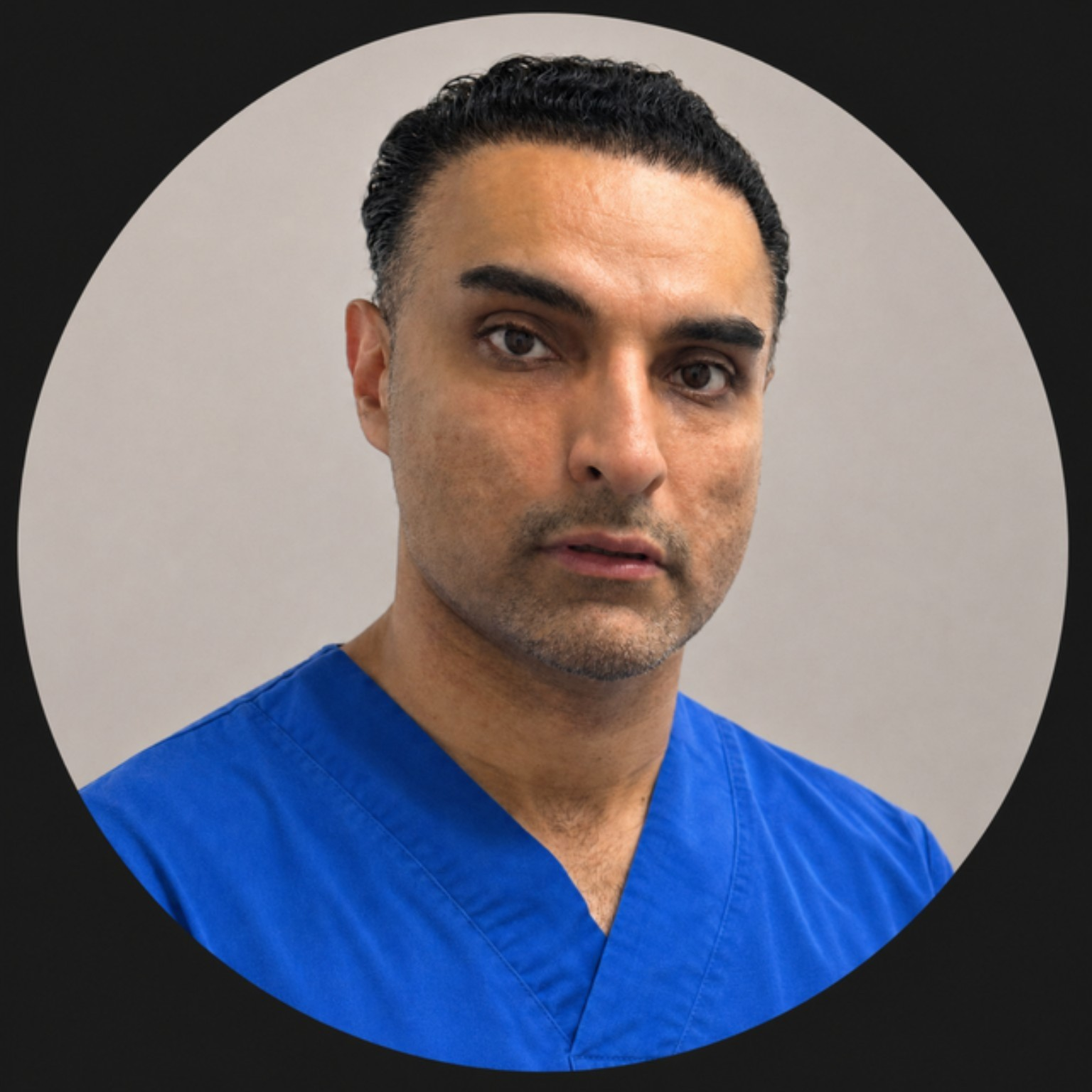
Dr Harpreet Kalra
Hair Transplant Surgeon
GMC reference: 7126076
Ask the surgeon to explain which parts of the operation they will perform, who else will be in the room and who will see you during follow-up.
Meet Dr Harpreet KalraWho will perform your surgery?
Our surgeon, Dr Harpreet Kalra, is supported by our team of hair technicians. Your consultation is a chance to discuss your treatment options, donor hair, likely results and aftercare.
Meet Our Surgical TeamOur UK Clinics
Find patient information by city and contact the London team to discuss an appointment.
View Our ClinicsLooking after your scalp at home
Your follow-up after surgery
Before surgery, ask who to call if you are worried over the weekend. Take home the instructions for washing your scalp and protecting the grafts, along with your follow-up details. If your job involves a helmet or heavy lifting, discuss when you can return to it.
Comparing a quote with the result you want
A graft is a small naturally occurring group of follicles, so a graft count and a hair count describe different things. The price panel gives this clinic’s fixed prices for two scalp graft counts. During the consultation, ask for the area to be treated to be marked on a photograph or drawing. That lets you see what the quoted count is intended to cover.
Before-and-after photographs are easiest to interpret when you know the interval between them, the haircut and whether there was more than one procedure. A six-month image can show progress while the hair is still changing. For an independent overview of surgery, healing and possible complications, read the NHS guide to hair transplants.
Hair Loss Treatment Guides
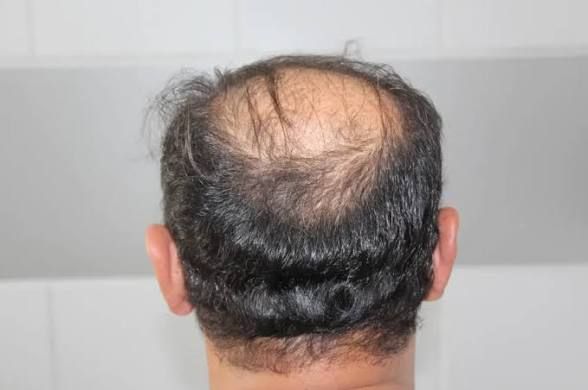
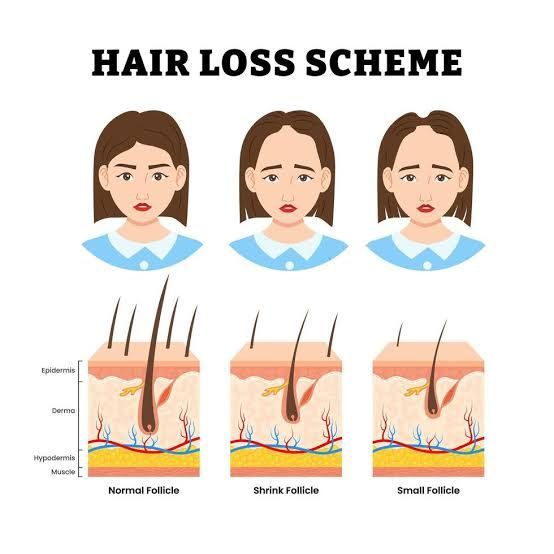
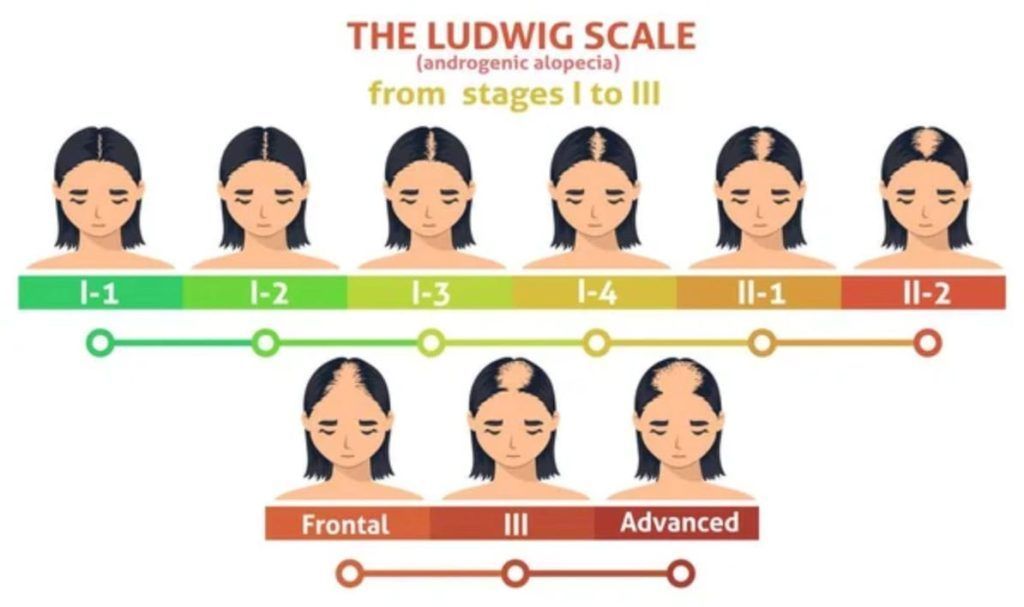
Hair Loss Medication Guides
 Hair loss medication guides
Finasteride for hair loss: results, side effects and UK advice
 Hair loss medication guides
Dutasteride for hair loss: results, side effects and UK advice
 Hair loss medication guides
Minoxidil for hair loss: uses, results and side effects
 Medication & hair loss
Does Mirtazapine Cause Hair Loss?
Latest Articles
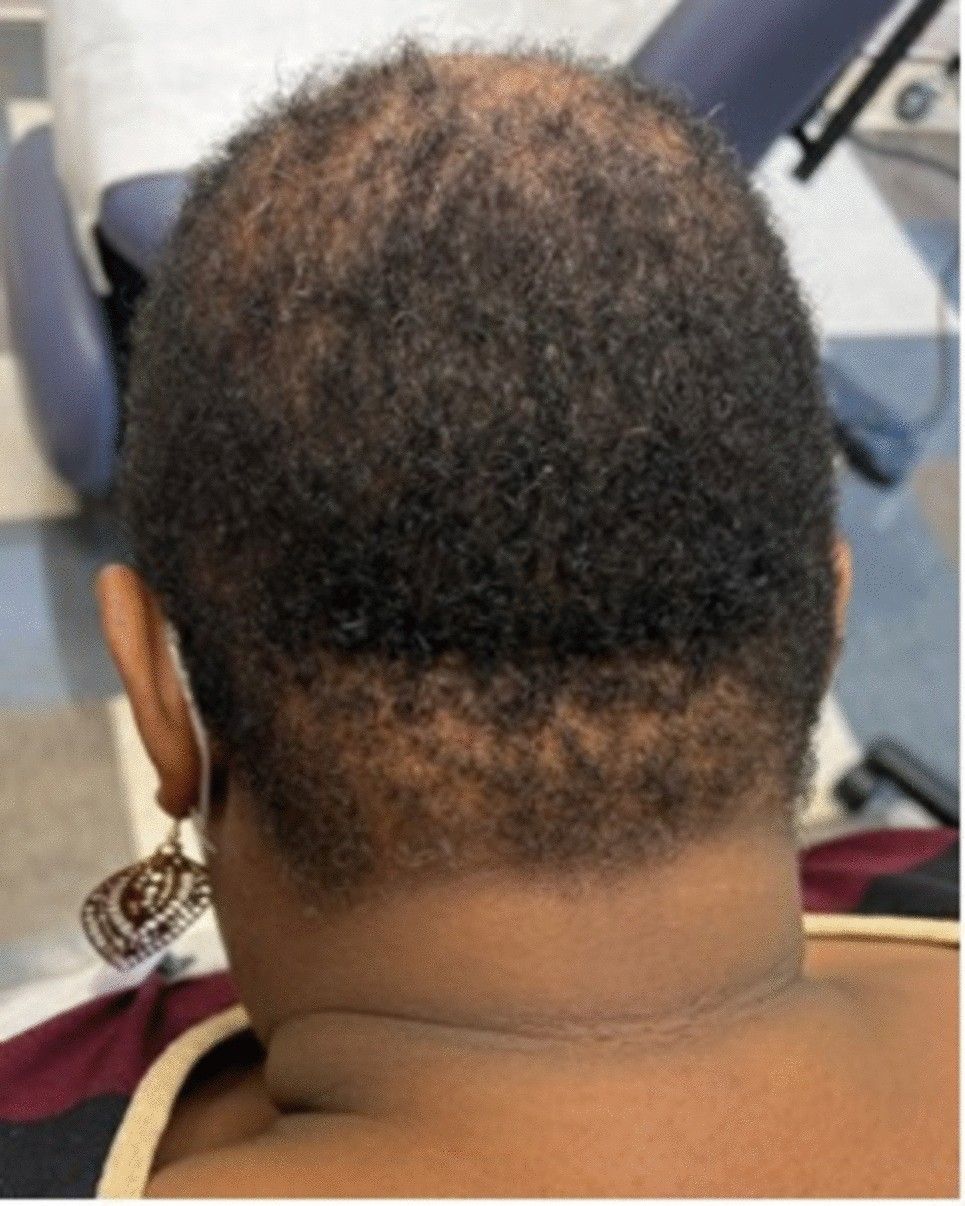 Hair loss advice
Central Centrifugal Cicatricial Alopecia: Causes, Symptoms, Treatments
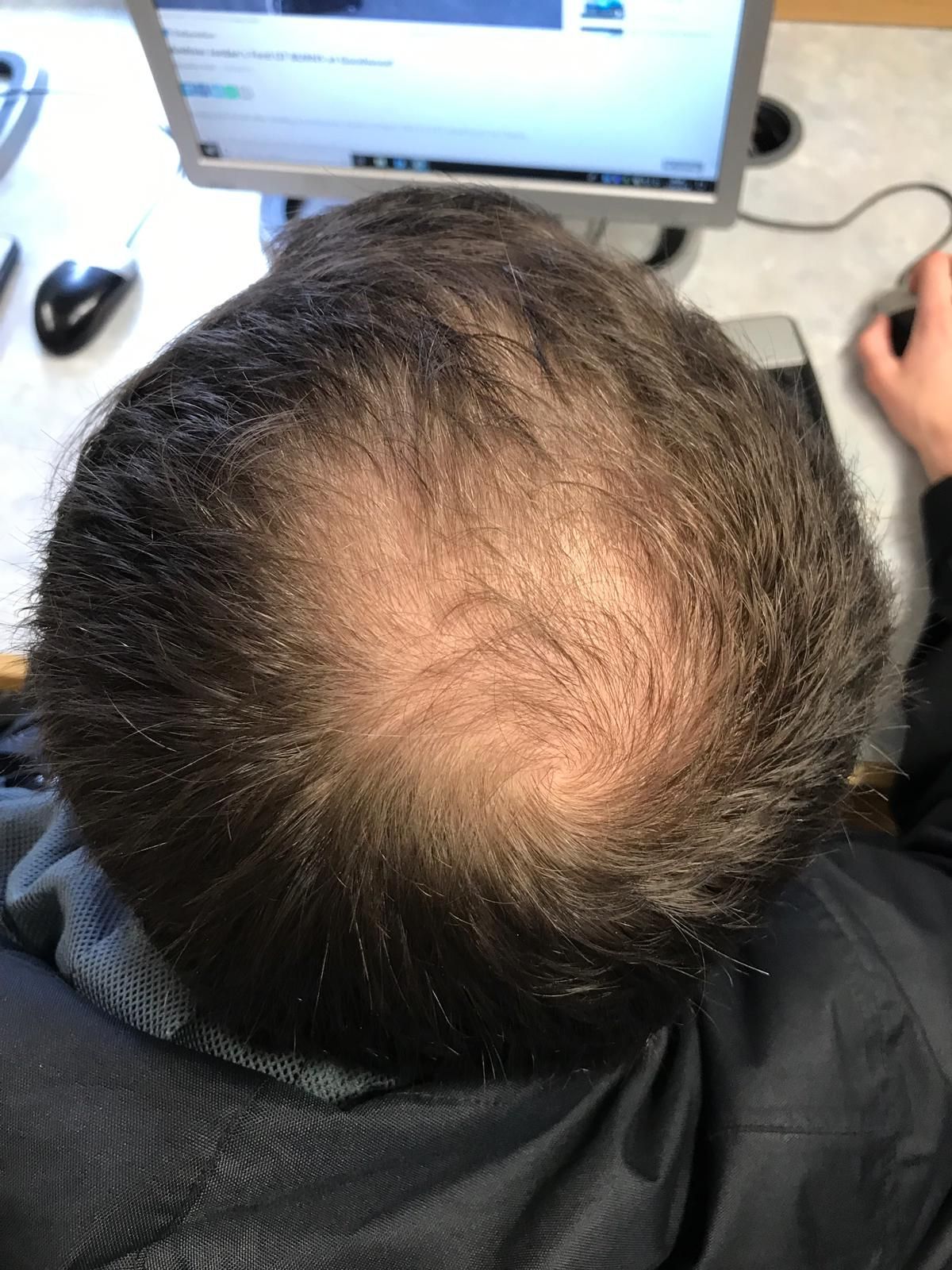 Hair loss advice
Is My Hair Thinning Or Am I Paranoid? The Signs Of Hair Loss
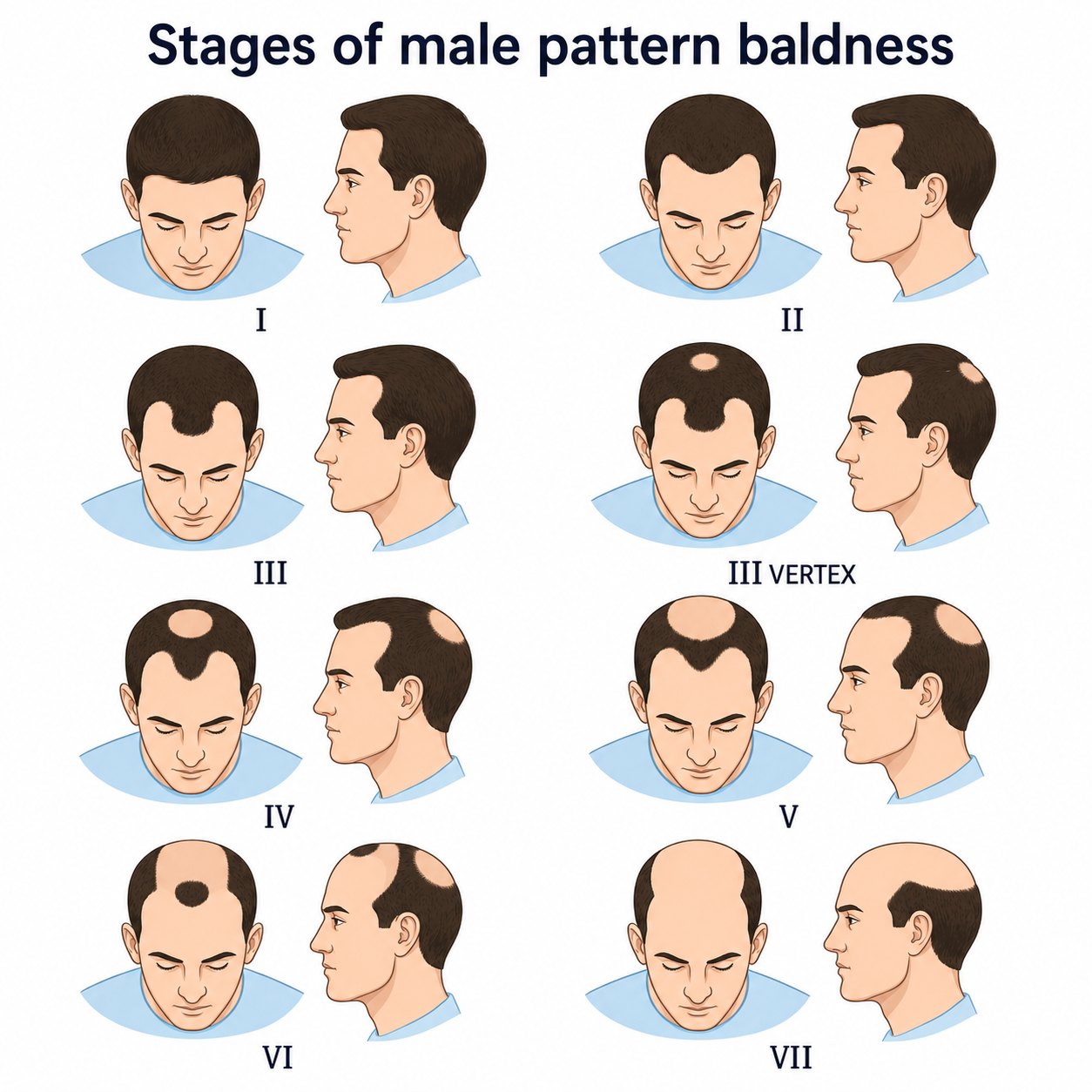 Hair loss advice
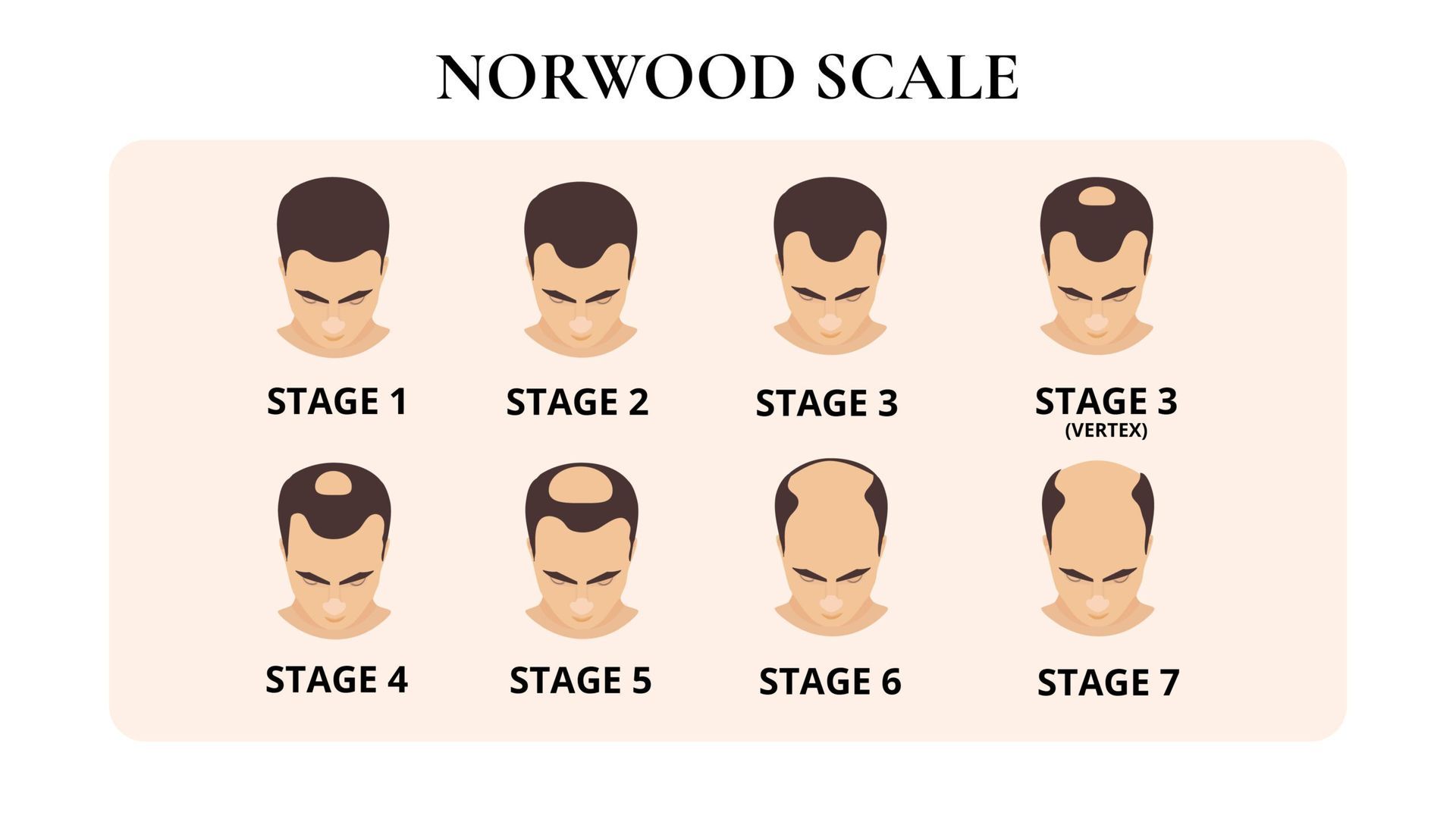
Male Pattern Baldness: Causes, Stages & Treatment Options
Hair loss adviceHair Transplant Techniques in 2026: How to Compare Them
Contact the London clinic
Use the enquiry form to arrange a consultation, or email enquiries@londonhairtransplantclinics.co.uk.