
What is Hair Loss (Alopecia)?
Alopecia is the medical term for hair loss. You might first notice more hair in the shower, a wider parting or a patch of bare scalp. When it started and whether the change was sudden help a GP work out what to check.
If losing your hair is affecting how you feel, mention it when you speak to your GP. It is also worth describing any recent illness, weight change or new medicine. Those details can help explain why shedding started.
The cause of hair loss determines which treatments are worth discussing. Some people need medical treatment for a scalp condition. A transplant moves follicles from one area to another and depends on having enough suitable donor hair.
How Common is Alopecia?
Pattern hair loss becomes more common with age. Estimates vary with the population studied and the degree of thinning researchers count. A figure for a particular age group cannot tell you what will happen to your own hair.
UK figures for hair loss depend on the definition used. A survey of people who notice shedding measures something different from an examination for male or female pattern hair loss.
Types of Hair Loss
A gradually widening parting and a new, sharply defined patch of hair loss need different assessments. The timing and the condition of the scalp help your GP distinguish between causes.
Androgenetic
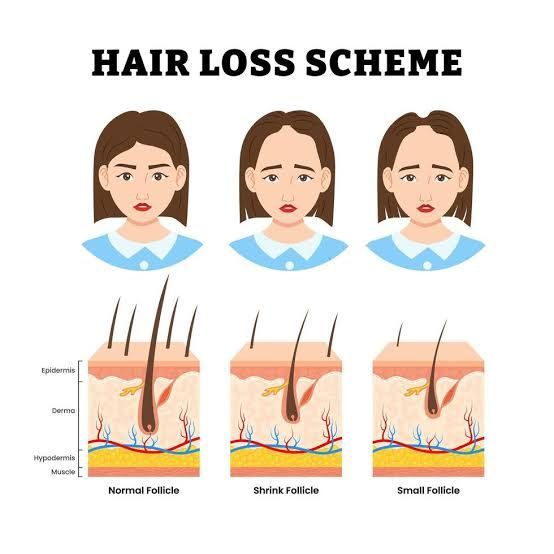
Androgenetic alopecia is inherited pattern hair loss. Hair gradually becomes finer as follicles shrink. In men this often affects the hairline and crown; in women, the central parting and top of the scalp.
Telogen Effluvium
Telogen effluvium causes increased shedding across the scalp, often around three months after illness, childbirth, surgery or another major stress. Growth commonly recovers once the trigger has passed, although shedding can persist.
Alopecia Areata
Alopecia areata is an immune-related condition that often causes smooth, round patches of hair loss. Eyebrows, eyelashes and body hair can also be affected. Its course is unpredictable, so medical assessment is important.
Traction Alopecia
Repeated pulling from tight hairstyles or extensions can damage follicles. Changing the hairstyle early may allow regrowth. Long-standing tension can cause permanent loss, especially along the hairline.
Cicatricial
Cicatricial, or scarring, alopecia destroys follicles through inflammation. Areas may become smooth and shiny, with redness, soreness or scaling around remaining hairs. Prompt dermatology assessment aims to control inflammation and protect unaffected follicles.
Anagen Effluvium
Anagen effluvium interrupts actively growing hairs and can cause rapid loss during certain medical treatments, including chemotherapy. The treatment team can explain the expected course and whether regrowth is likely.
Trichotillomania
Trichotillomania involves repeated urges to pull out hair. It can leave irregular patches on the scalp, brows or lashes. A GP can help arrange treatment, including cognitive behavioural therapy and habit-reversal techniques.
Signs of Hair Loss
Which change did you notice first — the amount of hair you shed, the width of your parting, or the shape of your hairline? That detail is more useful at an appointment than trying to count every hair.
Common Signs
Excessive Hair Shedding
A sustained increase in hair on your brush, pillow or in the shower can signal a change in the growth cycle. Compare it with your usual shedding rather than counting individual hairs.
Thinning Hair Across the Scalp
Diffuse thinning affects a broad area rather than a single bald patch. It can follow increased shedding or develop gradually. The timing and scalp examination help distinguish the cause.
Receding Hairline
The frontal hairline or temples may gradually move backwards. Compare photographs taken in similar light and with the same hairstyle. A progressive change warrants assessment.
Widening Hair Part
A parting that becomes broader over time is a common presentation of female pattern hair loss. The front hairline may remain in place while density behind it decreases.
Patchy Bald Spots
Distinct patches need assessment because several conditions can look similar. Note whether the skin is smooth, scaly, sore or inflamed, and whether hairs have broken off.
Visible Scalp Through Hair
More scalp showing under the same lighting can reflect reduced density or finer strands. Wet hair, bright overhead light and styling changes can also alter how visible the scalp looks.
Early Signs
Increased Daily Shedding
Notice a change that persists over several weeks, particularly after illness or another major event. A sudden increase is different from gradual pattern thinning.
Finer Hair Strands
A growing mixture of fine, short hairs among thicker hairs can accompany follicle miniaturisation. A scalp examination can establish whether this is pattern hair loss.
Slower Hair Growth
Hair that seems to reach less length may be breaking or spending less time in growth. Changes in texture, styling and general health are worth discussing at an assessment.
Reduced Hair Volume
A thinner ponytail or loss of fullness may be easier to notice than a bald area. Photographs can help document a gradual change.
Rare and Severe Signs
Scalp Pain or Burning Before Shedding
Persistent pain, burning, tenderness or redness can accompany scalp inflammation. Arrange a medical assessment rather than treating the symptom with cosmetic products alone.
Hair Loss on Eyebrows, Eyelashes, or Body
Loss outside the scalp can occur with conditions such as alopecia areata. A doctor should assess the pattern and any accompanying symptoms.
Scalp Scarring
Shiny skin with fewer visible follicle openings may indicate scarring. Because damaged follicles may not regrow, early dermatology assessment matters.
Pus-Filled Lesions on the Scalp
Pustules, crusting or painful swelling need medical assessment for infection or inflammation. Seek prompt help if symptoms spread or you feel unwell.
Causes of Hair Loss
Think back to the months before the change began. An illness, a new medicine or a period of weight loss can be relevant. A family history of gradual thinning is another useful clue.
Genetic and Hormonal Causes
Genetic Predisposition (Androgenetic Alopecia)
Pattern hair loss can run on either side of the family. Its onset and extent vary, so a relative’s experience does not predict exactly what will happen to your hair.
DHT Sensitivity
In susceptible follicles, the androgen dihydrotestosterone contributes to gradual miniaturisation. Hairs become finer and coverage decreases. This mechanism is important in male pattern hair loss.
Hormonal Changes (Pregnancy, Menopause, Thyroid)
Hormonal changes can coincide with shedding or gradual thinning. The history helps distinguish temporary shedding after pregnancy from pattern loss or a thyroid-related problem.
Polycystic Ovary Syndrome (PCOS)
Hair thinning alongside irregular periods, acne or increased facial hair can merit assessment for PCOS. Treating the underlying hormonal condition may be part of the care plan.
Thyroid Disorders
Both underactive and overactive thyroid conditions can be associated with diffuse hair changes. A GP may request thyroid tests when symptoms and history suggest a possible link.
Medical and Medication Causes
Illness and Surgery
A significant illness or operation can trigger delayed shedding. The gap between the event and hair loss can make the connection easy to miss.
Medication and Medical Treatment
Some medicines and cancer treatments can affect hair growth. Tell your prescriber about new shedding, but do not stop prescribed treatment without advice.
Autoimmune and Inflammatory Conditions
Immune conditions can affect follicles directly. Scalp redness, scale, pain or distinct patches help guide examination and the need for specialist investigation.
Lifestyle and Nutrition Causes
Nutritional Deficiency and Rapid Weight Loss
Restricted diets, iron deficiency and substantial weight loss can contribute to shedding. Investigations should guide treatment; supplements are not a substitute for identifying the cause.
Physical and Emotional Stress
Major stress can be followed by temporary diffuse shedding. The change may appear months later. Persistent shedding still needs assessment rather than being assumed to be stress alone.
Tight Hairstyles and Hair Damage
Repeated tension from braids, extensions or tightly tied hair can cause traction loss. Heat and chemical damage can also break shafts, making hair look less full.
How is Hair Loss Diagnosed?
A GP may be able to identify the cause by examining your hair and scalp. Ask whether any tests are needed and what changes should prompt another appointment.
Medical and Family History
The clinician asks when the change began, how quickly it developed, and about family history, illness, medication, diet and hair care. This often narrows the likely causes.
Physical Scalp and Hair Examination
Examining the distribution of loss and the condition of the scalp helps distinguish thinning, breakage, inflammation and scarring.
Pull Test
A clinician gently draws a small group of hairs to assess active shedding. The result is interpreted with your history and examination, not on its own.
Trichoscopy (Scalp Microscopy)
Magnified examination helps assess hair thickness, follicle openings and scalp changes that may be hard to see with the naked eye.
Blood Tests
Targeted blood tests may be suggested when the history points to an underlying cause, such as iron deficiency or thyroid disease. Not everyone needs the same tests.
Scalp Biopsy
A small scalp sample is occasionally needed when the diagnosis remains uncertain or scarring alopecia is suspected. The clinician explains why it would help.
When to See a Doctor
See a GP if hair loss worries you, starts suddenly, forms patches or comes with scalp pain, redness or scaling. Assessment should come before choosing a commercial treatment.
Hair Loss Treatments
Before choosing a treatment, ask what is causing the change and whether the hair is likely to grow back. You may have several options, including monitoring how it develops.
Non-Surgical Treatments
Minoxidil
Topical minoxidil can help some people with pattern hair loss. Results take months and require continued use. It can irritate the scalp or cause initial shedding; suitability, including pregnancy and breastfeeding, should be checked.
Finasteride
Finasteride is a prescription option for male pattern hair loss. It reduces DHT and needs continued use to maintain benefit. Discuss possible sexual and mood-related side effects, and individual suitability, with the prescriber.
PRP Therapy (Platelet-Rich Plasma)
PRP uses concentrated platelets from your own blood, injected into the scalp. It may be considered for selected thinning, but benefit is variable and evidence remains limited. Read about PRP treatment.
Low-Level Laser Therapy (LLLT)
Some low-level light devices may improve density in pattern hair loss. Results vary and regular use is needed. Device quality, cost and the limits of the evidence should be discussed before treatment.
Topical Finasteride and Minoxidil Combination
A combined topical preparation may be considered by a prescriber after assessment. Suitability, availability and potential side effects need individual discussion; a topical medicine is not automatically free of systemic effects.
Surgical Treatments
A transplant may suit selected people with permanent pattern hair loss and sufficient donor hair. It does not treat every form of alopecia or stop future loss in untreated hair.
FUE Hair Transplant
FUE removes individual follicular units from a donor area and places them in suitable areas of permanent loss. It leaves small extraction scars and requires adequate donor supply. Read about FUE.
DHI Hair Transplant
DHI describes placement of grafts using an implanter device, usually after FUE extraction. Suitability depends on the treatment area and surgical plan. Read about DHI.
FUT Hair Transplant
FUT obtains grafts from a strip of donor scalp and leaves a linear scar. The choice of technique needs an individual surgical assessment. Read about FUT.
How to Prevent Hair Loss
Inherited pattern hair loss can develop despite a healthy diet. If shedding began after illness or a change in your weight, tell your GP when each happened.
Balanced Nutrition
Eat a varied diet with adequate protein and iron-containing foods. Investigate a suspected deficiency before taking supplements; excessive amounts of some nutrients can be harmful.
Stress Management
Sleep, support and manageable routines can help during stressful periods. They do not replace an assessment when shedding persists or the cause is unclear.
Gentle Hair Care
Reduce tight hairstyles, repeated high heat and harsh chemical treatments. Use conditioner and detangle gently to limit breakage and tension.
Scalp Hygiene
Wash the scalp regularly with a suitable shampoo and avoid vigorous rubbing. Persistent itch, scale or inflammation deserves assessment rather than repeated changes of cosmetic product.
Early Medical Intervention
An early diagnosis can help preserve hair where treatment is available. New patches, soreness or signs of scarring should be assessed promptly.
Frequently Asked Questions
How many strands of hair is it normal to lose each day?
The NHS gives around 50 to 100 hairs a day as a usual range. A persistent change from your normal shedding, visible thinning or new patches matters more than an exact count.
At what age does hair loss typically start?
There is no single starting age. Pattern loss can begin after puberty and becomes more common with age. Other forms, including alopecia areata, can occur at any age.
Can hair loss be reversed?
Some temporary shedding improves after its trigger resolves. Pattern loss may respond to ongoing treatment. Hair loss from destroyed, scarred follicles is usually permanent; diagnosis determines what recovery is realistic.
Is hair loss hereditary?
Pattern hair loss can run in families. A relative with thinning hair is one clue. The speed of the change and the appearance of your own scalp still matter.
What is the difference between hair loss and hair shedding?
Shedding is the release of hairs during their normal cycle and can temporarily increase. Visible hair loss develops when replacement growth does not keep pace, or follicles produce finer hairs or stop growing.
Does stress cause hair loss?
Significant physical or emotional stress can trigger telogen effluvium, with shedding often appearing a few months later. It should not be assumed to explain every case of thinning.
When should I see a doctor about hair loss?
Speak to a GP if you are concerned, particularly with sudden loss, patches, scalp discomfort or inflammation. Seek help too if the change is affecting your wellbeing.
Is hair transplant surgery the best treatment for hair loss?
It depends on the diagnosis. Surgery can help selected permanent pattern loss with adequate donor hair. Temporary shedding, active inflammatory conditions and many other causes need a different approach first.