
Gender-affirming hair transplants in London
- Methods Used: FUE, FUT
- Surgeon: Dr Harpreet Kalra
- FUT is quoted after consultation.
- Finance available, subject to eligibility
Contents [show] [hide]
- Bring your own reference points
- Coordinate with other care
- What can one procedure cover?
- Gender-Affirming Hair Restoration Result
- Hairline shape, thinning hair and what you want to see
- If your hair is thinning as well
- Transplantation and forehead surgery
- How the grafts are taken and placed
- Aftercare, privacy and the written quote
- Questions about gender-affirming restoration
- Our Hair Transplant Surgeon
- Share This
You may want to soften the corners of your hairline, fill a temple, or wear your hair pulled back without exposing an area that bothers you. You can also choose to keep the shape you have and address thinning behind it. The starting point is the change you want to see.
Bring your own reference points
A photo of you with a hairstyle you like can be more helpful than a picture of somebody else’s hairline. Mark what you would keep as well as what you would change. Ask to see the planned outline from the side as well as the front before settling on a shape.
Coordinate with other care
If you have had, or are considering, forehead or scalp surgery, mention it at the consultation so the clinicians involved can discuss timing and scar placement. Take an up-to-date list of your medicines. Discuss any proposed medication changes with the clinician who prescribes them.
What can one procedure cover?
A transplant redistributes existing hair. If you want to fill the temples and increase density farther back, ask how the available grafts would be divided. Before deciding, ask for the outline, the areas that would be trimmed, the likely scars and the total price in writing.
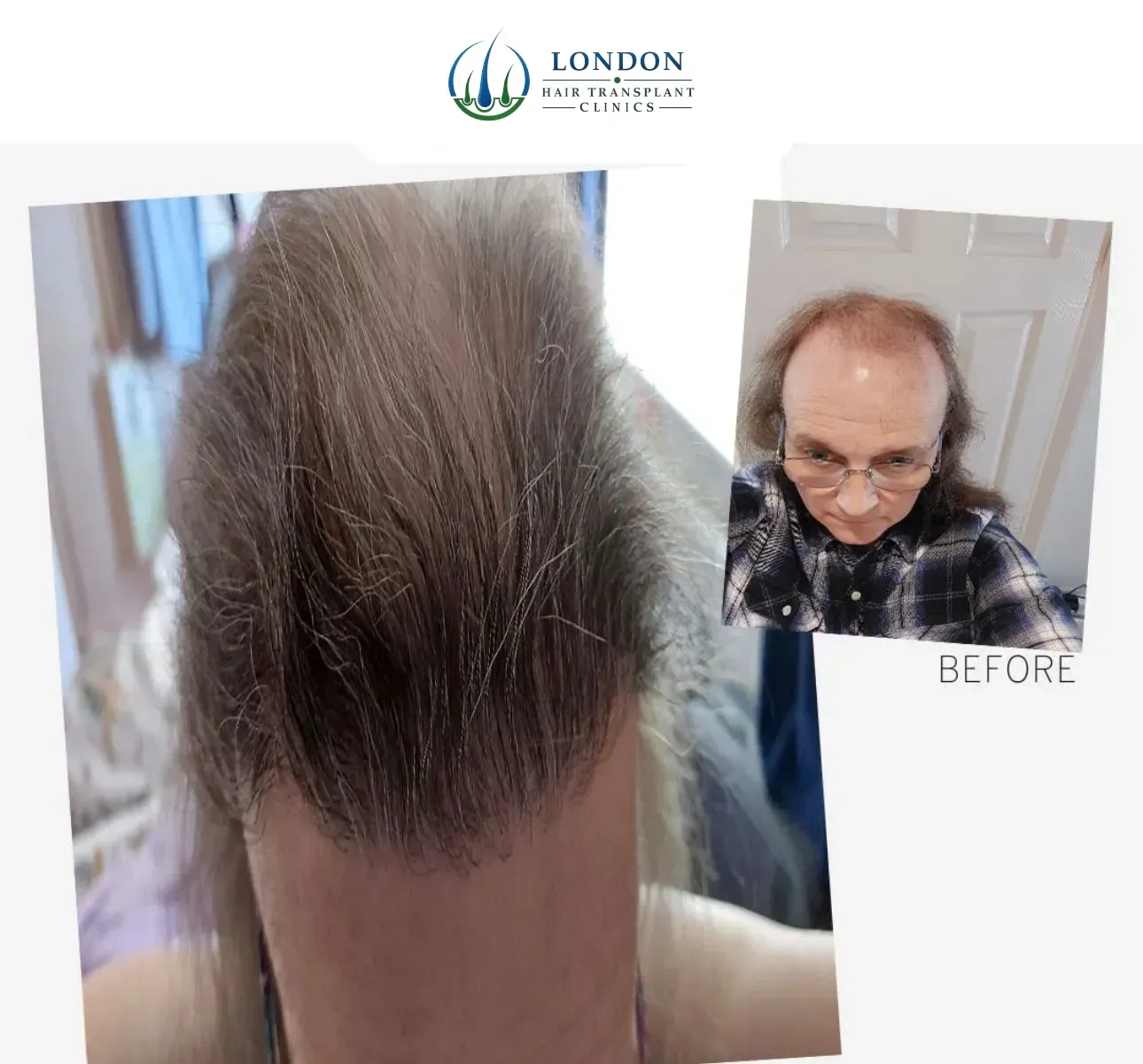
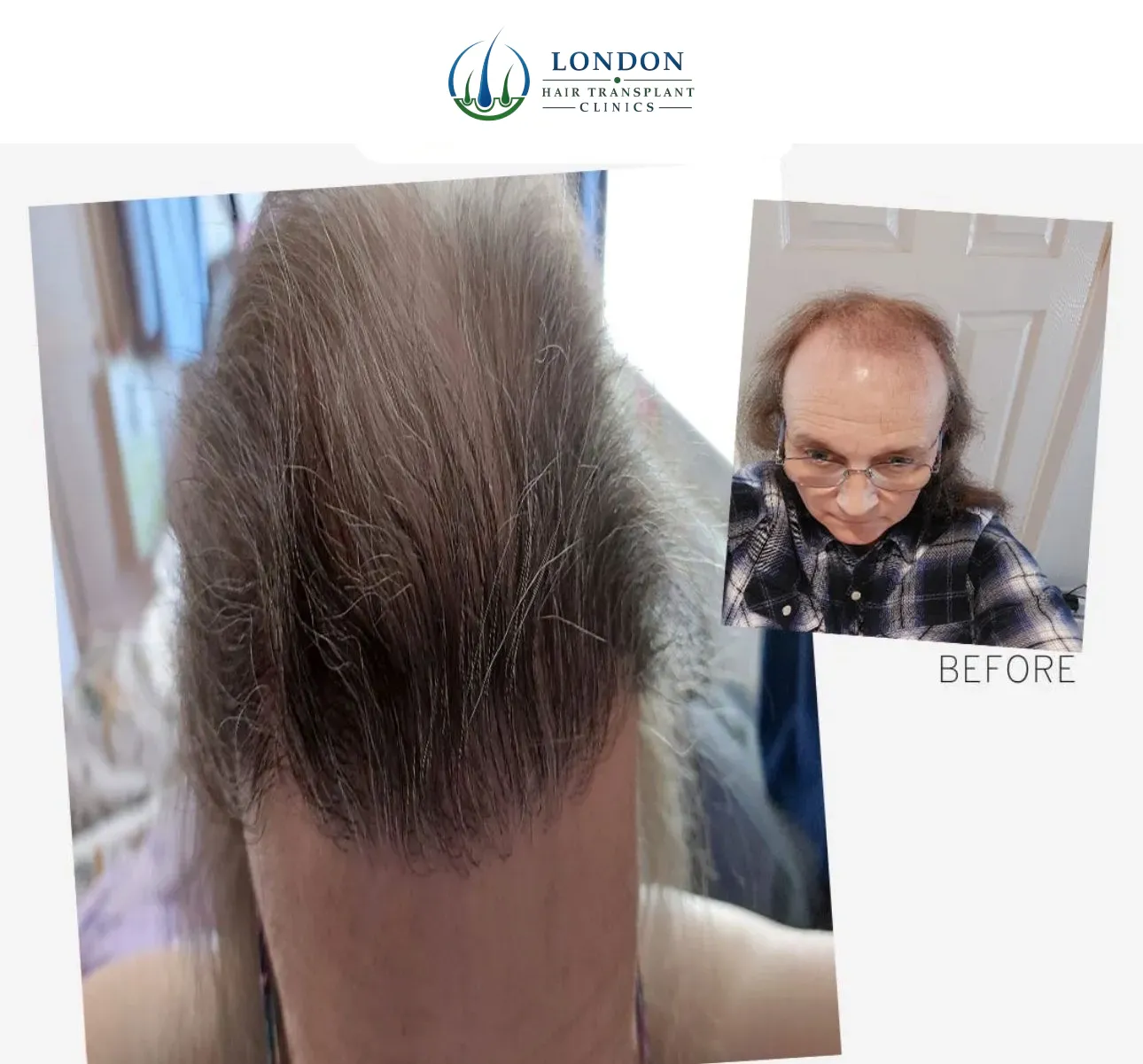
Gender-Affirming Hair Restoration Result
Hairline shape, thinning hair and what you want to see
Gender-affirming hair restoration can mean different things. You may want a rounder forehead outline with less recession at the corners. You may prefer a defined temple shape, want better coverage in a thinning area or simply want to grow a fringe without the scalp showing through. A particular identity does not prescribe a particular hairline.
For a change of shape, start with the parts of your present outline you like. For a change of density, point to the gap that is visible in your usual hairstyle. If both matter, ask for the grafts to be allocated separately on the drawing. That helps you see what each part of the plan can realistically achieve.
If your hair is thinning as well
Pattern hair loss can affect transgender and non-binary people. If you are losing hair at the front or crown, your history, scalp examination and any medicines or hormones you take will help the clinician assess what is changing. Bring a dated photo if the change has been gradual. Rapid shedding, sore skin or a new patch may need assessment before planning surgery.
Hair transplanted to the front does not prevent further loss of existing hair behind it. Discuss medical options with a clinician familiar with your goals and current prescriptions. A treatment suitable for the scalp may have effects elsewhere that matter to you. Do not change hormones or a prescribed hair-loss treatment on the basis of a package description.
Transplantation and forehead surgery
A transplant places follicles in chosen positions. Forehead reduction or hairline advancement moves a section of hair-bearing scalp and produces a scar along the incision. If you are considering facial surgery, ask the clinicians involved to agree on the sequence. The eventual position of a scar or hairline affects where grafts would be most useful.
Some people want to place hairs in front of the corners, while others want to soften the appearance of a healed surgical scar. Those sites can differ in skin quality and blood supply. Bring the date and details of any previous operation. The plan should identify whether the aim is to frame the face, cover a stable scar or increase coverage behind the line.
How the grafts are taken and placed
The surgeon can obtain grafts one at a time with FUE or from a strip of donor scalp with FUT. FUE leaves small marks spread through the donor area. FUT leaves a line that may show with very short hair. If growing your hair long or wearing it up is important, ask to see exactly where the surgeon would trim and where scars may be visible.
At the front, finer hairs can be used along the edge and the angle adjusted where the line turns towards the temples. Scalp and beard goals may draw on the same limited donor supply. If facial hair is another priority, mention it even if you are only booking a scalp consultation now. A beard transplant needs its own assessment of the pattern of growth you already have.
Aftercare, privacy and the written quote
Plan for the visible early healing stage if you will be back at work or attending an event. The team should explain when you may use a wig, hair system or head covering that touches the grafts. Show them where clips, tape or a band normally sit. The early appearance gives little indication of the final softness or density.
If photographs are taken, ask how they are stored and whether any proposed use outside your clinical record needs separate consent. You can also tell the clinic how you want to be addressed and which contact details to use for follow-up. Your quotation should identify the area, graft count and what follow-up is included. The London fee page gives the clinic’s fixed scalp packages.
Questions about gender-affirming restoration
Can I keep a higher hairline and just soften the corners?
Yes, subject to the examination and donor supply. Show the surgeon the features you want to keep. A small adjustment at the temples can give a different shape without lowering the entire front.
Will surgery relieve gender dysphoria?
Some people value a change in how their hair frames their face. No surgeon can predict how a change will affect how you feel overall. Define an observable goal, such as the outline with your hair tied back, so you can judge the proposal on your own terms.
Do I need a different anaesthetic or recovery plan?
Your treatment area, medical history, previous surgery and medicines determine the plan. Ask which anaesthetic is proposed, who to call if you have a problem and whether advice needs to be coordinated with another clinician involved in your care.
Our Hair Transplant Surgeon
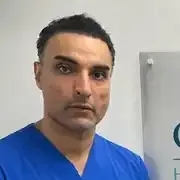
Dr Harpreet Kalra
Principal hair-transplant surgeon
GMC reference 7126076