Telogen effluvium: why shedding can start months after a trigger
Understanding the delay helps you describe the change and know when to seek an assessment.

On this page
Telogen effluvium is increased shedding caused by more hairs than usual entering the resting phase of the hair cycle. It often becomes noticeable several months after a trigger. It can make the hair look thinner across the scalp, but it is different from a condition that destroys follicles through scarring.
Why there is a delay
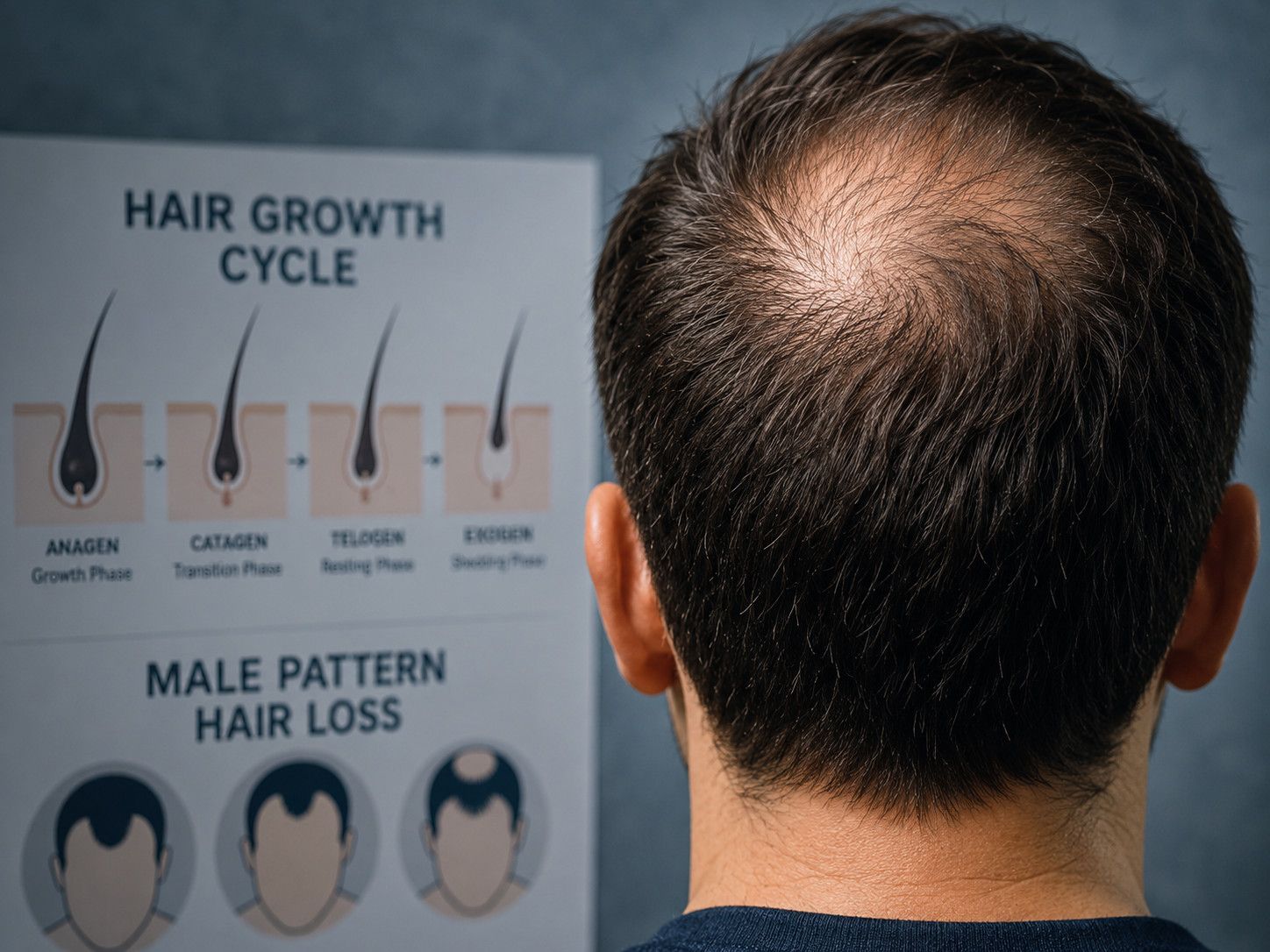
A hair does not necessarily fall out at the moment an illness or other stress affects its cycle. It can enter the resting phase and be released later. That is why it helps to look back over the preceding months rather than focus only on what changed this week.
The British Association of Dermatologists' telogen effluvium leaflet describes triggers including illness, surgery, childbirth, marked weight loss, extreme dieting and medicines. Sometimes no single trigger is identified.
What you may notice
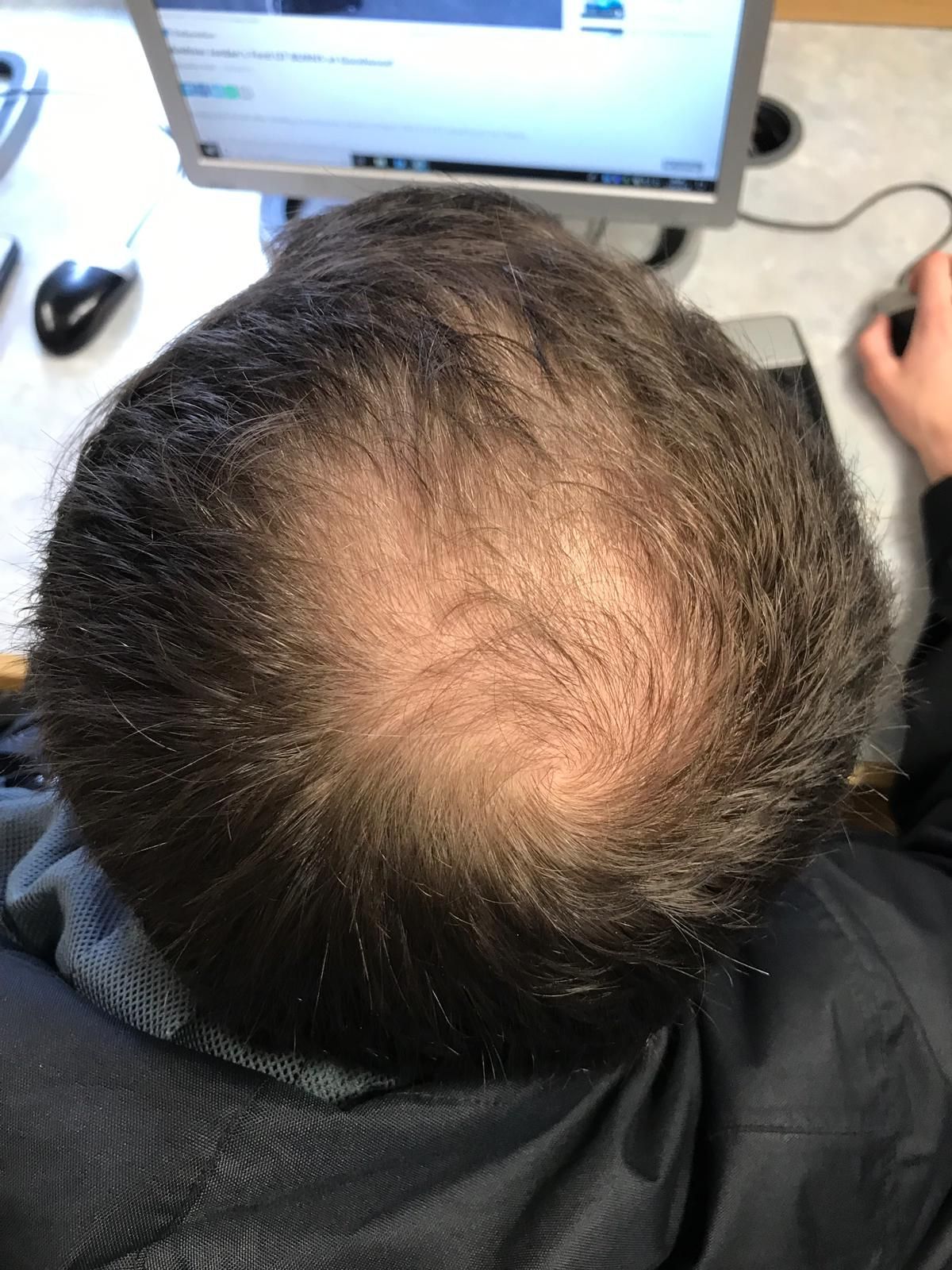
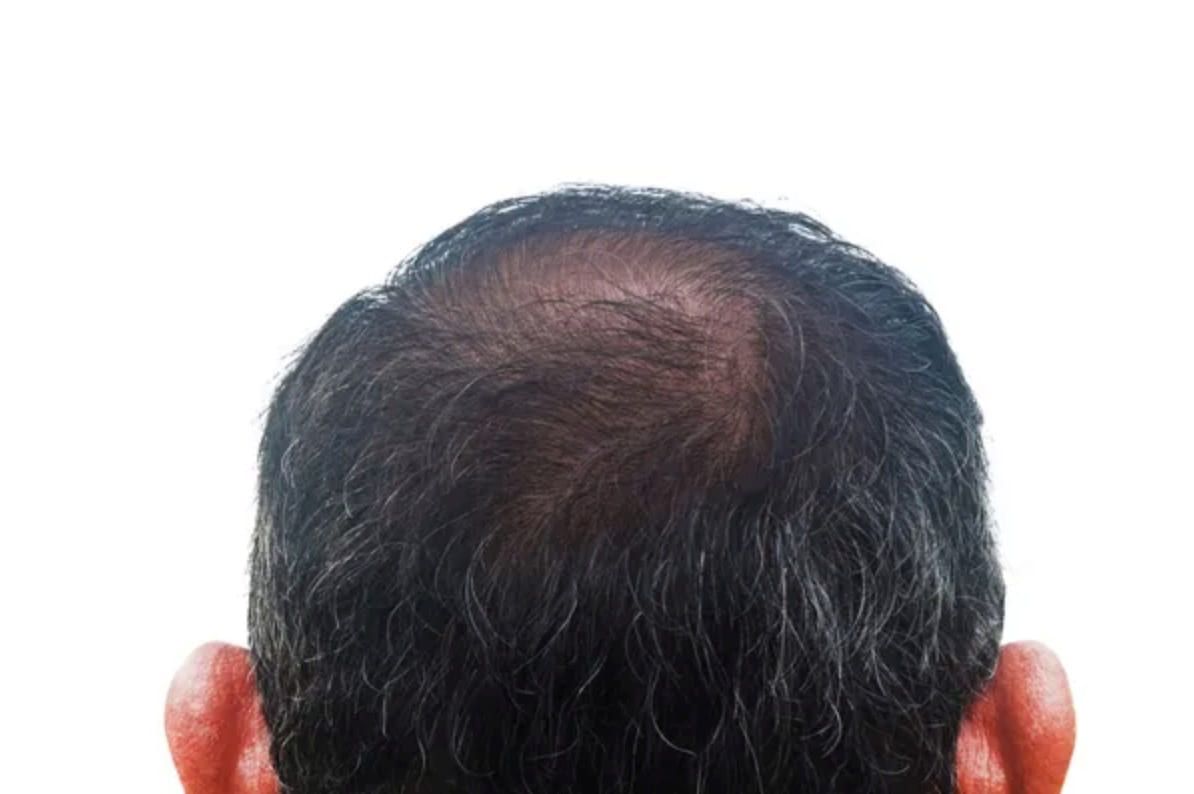
Shedding may become more obvious when washing, brushing or handling the hair. It usually affects the scalp diffusely rather than creating one sharply defined patch. The appearance varies with hair length, washing frequency and the amount of hair present beforehand.
Counting every shed hair is rarely a useful way to diagnose the problem. A clinician will consider the pattern, duration and scalp findings. Pain, inflammation, scaling or patches may point towards another problem or a second condition occurring at the same time.
What an assessment involves
Write down when you had any illness, surgery or pregnancy, and changes in your diet or medicines. Mention weight loss you did not intend, other symptoms, and any widening parting or receding hairline that was present before the shedding began.
Tests may be considered if the history suggests an underlying issue, such as iron deficiency or thyroid disease. They should be chosen for the circumstances. A standard panel cannot identify every cause of shedding, and supplements should not be prescribed simply because hair is falling out.
Our guides to hair loss after weight loss and postpartum shedding explain two situations in more detail.
Recovery and persistent shedding
Shedding often settles once an identifiable trigger has resolved. It takes longer for fullness to return because new hairs need time to grow. Recovery varies, and another hair-loss condition may affect how much coverage returns.
Shedding lasting more than six months is often described as chronic telogen effluvium. That label does not establish the cause or guarantee a particular recovery time. Persistent or worsening loss deserves reassessment rather than repeated purchases of unrelated products.
Caring for the hair while you wait
Maintain adequate nutrition and handle the hair gently. Avoid tight styles, aggressive detangling and unnecessary heat damage. Washing releases hairs already ready to shed; avoiding it does not stop the cycle.
Do not stop a prescribed medicine on your own because it appears on a list of possible triggers. Discuss the timing and alternatives with the prescriber. A transplant is not the usual treatment for an active episode of diffuse shedding.
Questions and answers
Can telogen effluvium occur with pattern hair loss?
Yes. Increased shedding can make pre-existing thinning more noticeable. An examination helps distinguish the overlapping problems.
Will the hair always return to exactly its previous thickness?
That cannot be guaranteed. The trigger, duration, underlying health and any other hair-loss condition affect recovery.
Should I start vitamins immediately?
Not without a reason. A clinician can assess dietary concerns and investigate a suspected deficiency where appropriate.