The essentials of hair transplant surgery
What surgery moves, how the methods differ and what to understand before consenting.

On this page
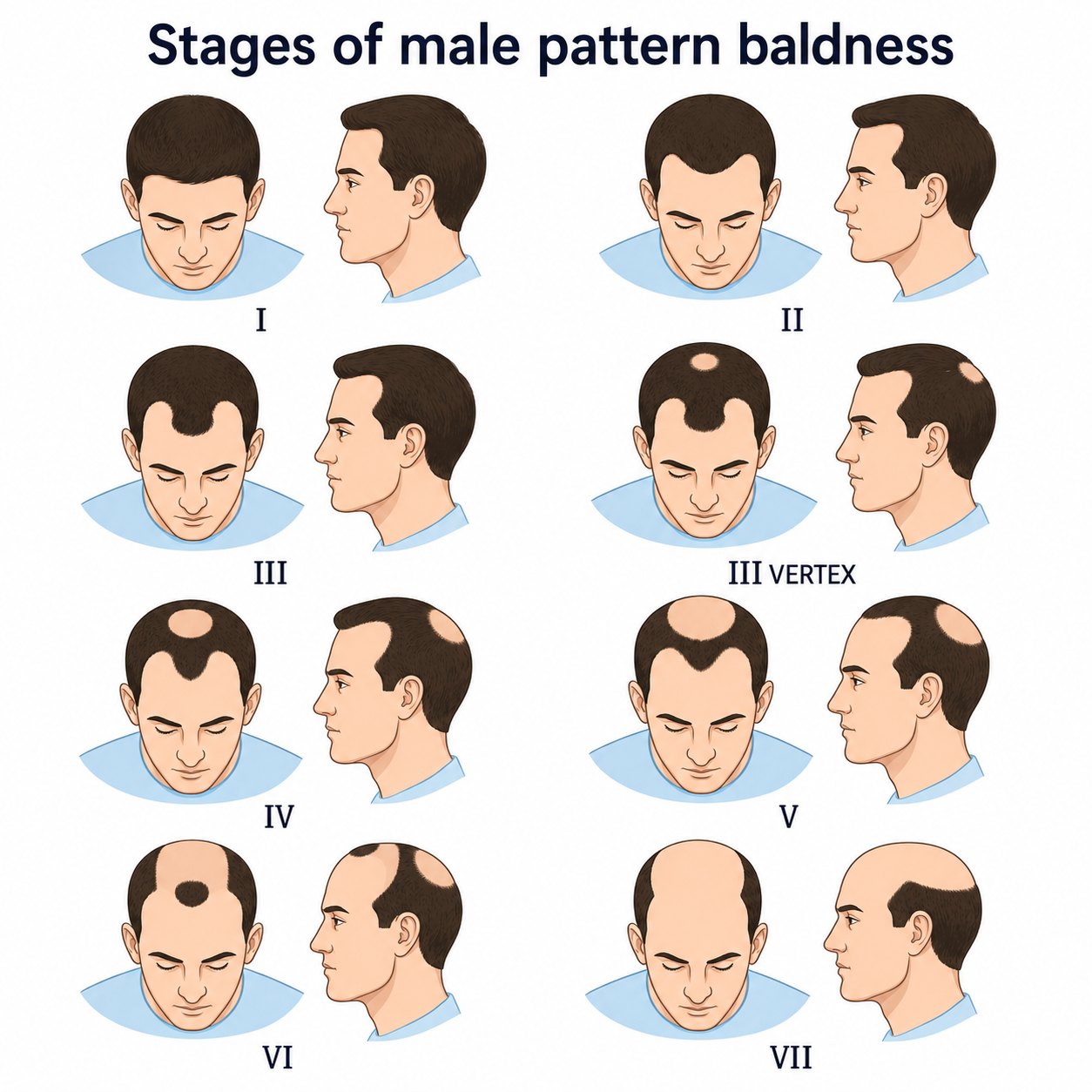
A hair transplant moves your own follicles from a suitable donor area to an area where more coverage is wanted. It can improve appearance in selected patients, but it does not create new follicles or cure every cause of hair loss. Donor supply and future thinning limit what can be achieved.
What is being transplanted?
A graft contains a follicular unit: a small natural grouping of hairs and supporting tissue. A count of grafts is therefore different from a count of individual hairs. The number needed depends on the treatment area, hair characteristics and the agreed density.
The donor region must be assessed for its suitability and likely stability. Hair that appears dense in a photograph may still be unsuitable for extensive harvesting. Previous surgery can also reduce the available supply.
FUE and FUT
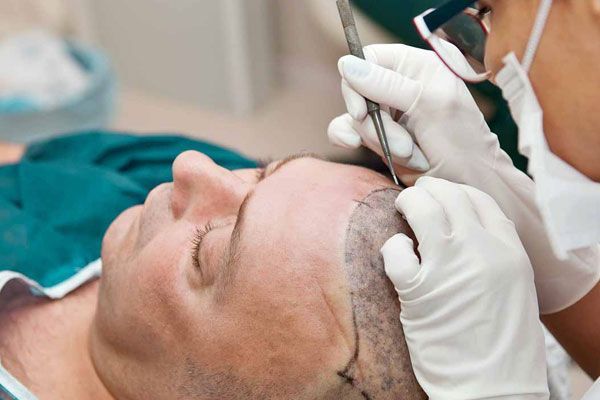
FUE removes follicular units individually using small punches. FUT removes a strip of hair-bearing scalp that is divided into grafts. The resulting grafts still need careful preparation and placement in the recipient area.
FUE leaves small individual scars; FUT leaves a linear donor scar. Neither technique is scar-free. Read the ISHRS FUE information and FUT explanation for the difference in harvesting methods.
The term DHI commonly describes implantation using a pen-like instrument. It is not proof of a separate extraction method or a guaranteed better result. The DHI guide explains the stages.
Benefits need to be expressed as realistic goals
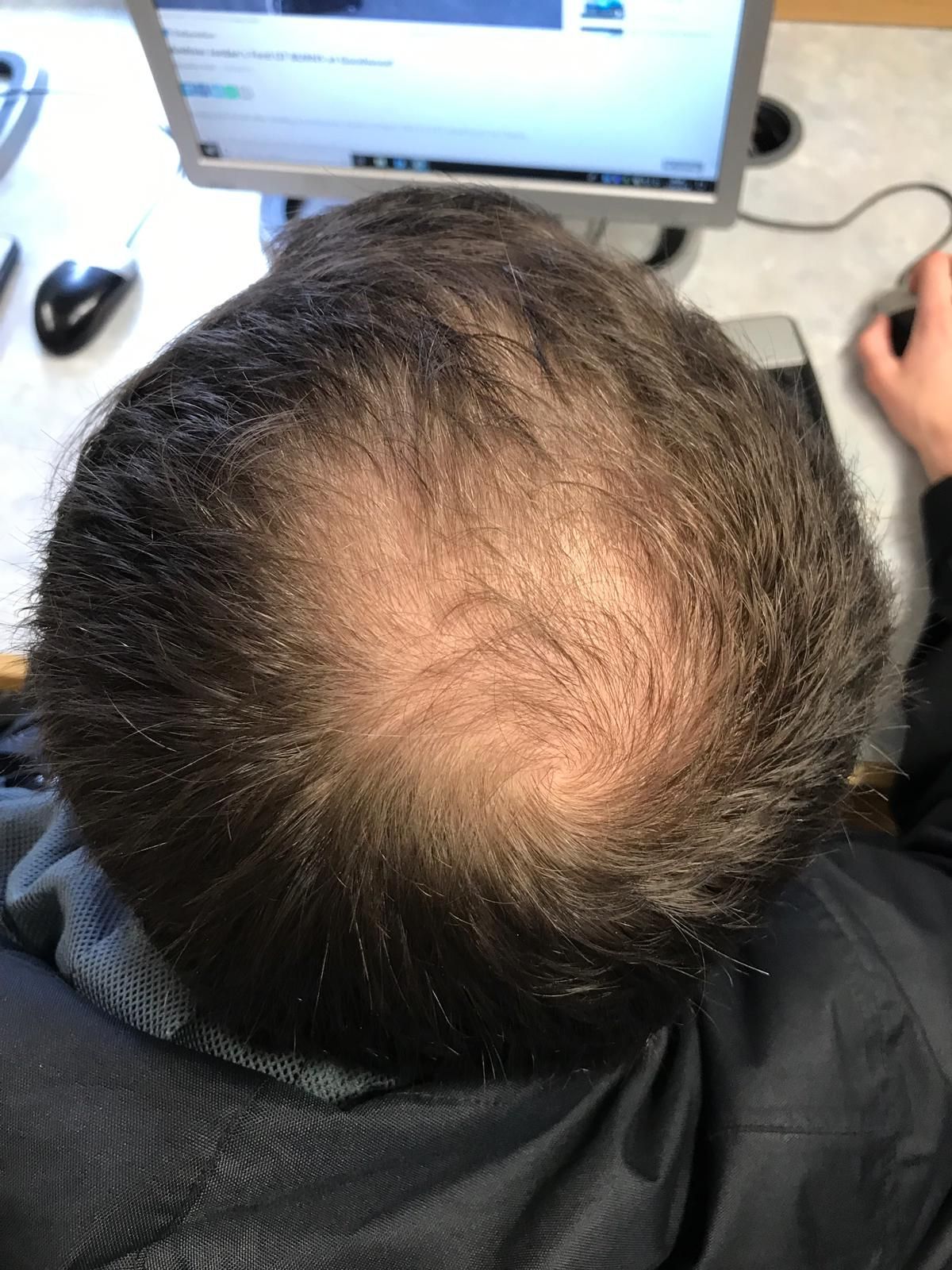
You might want a clearer frontal hairline or better coverage in one area. Your donor supply may not allow the density you had as a teenager. If you want to treat both the front and crown, discuss how the available hair would be shared between them.
Transplanted hair can grow for many years, but no one should promise permanence without explaining the limits. Growth may be disappointing, and the original hair around the grafts can continue to thin. Further treatment may be worth considering, though another operation will not always be possible.
Risks and recovery
Risks include bleeding, infection, scarring, altered sensation, poor growth and an unsatisfactory appearance. Pain, redness, swelling or crusting can occur during recovery. Their severity and duration vary between patients and procedures.
The NHS hair transplant guide explains general risks and recovery. Ask your clinic to specify how to wash, when to resume activities and how to contact the team if symptoms concern you. Antibiotics or other medicines should only be used as prescribed for you.
What you should know before signing
- The diagnosis and why surgery is appropriate now.
- The areas to be treated and realistic limits of coverage.
- The named surgeon and who performs each stage.
- The donor-harvesting method, scars and future donor limitations.
- Written costs, follow-up and arrangements for complications.
A consultation should also discuss reasonable alternatives, including postponing surgery. Our planning guide explains how to turn these points into a practical treatment plan.
Questions and answers
Is hair transplantation a one-off investment for everyone?
No. Follow-up, ongoing native loss or an unsatisfactory result may lead to further treatment and expense. Discuss likely future needs before booking.
Does surgery mean I will never need hair-loss medication?
No. Medication may be discussed for remaining native hair, but suitability and adverse effects need individual assessment. It is not universal.
Can another person's donor hair be used?
Routine cosmetic hair transplantation uses the patient's own follicles. A limited donor supply cannot simply be solved by taking hair from someone else.