Planning a hair transplant: the decisions before the date
The procedure name is only one part of a plan that must account for donor hair, future loss and recovery.

On this page
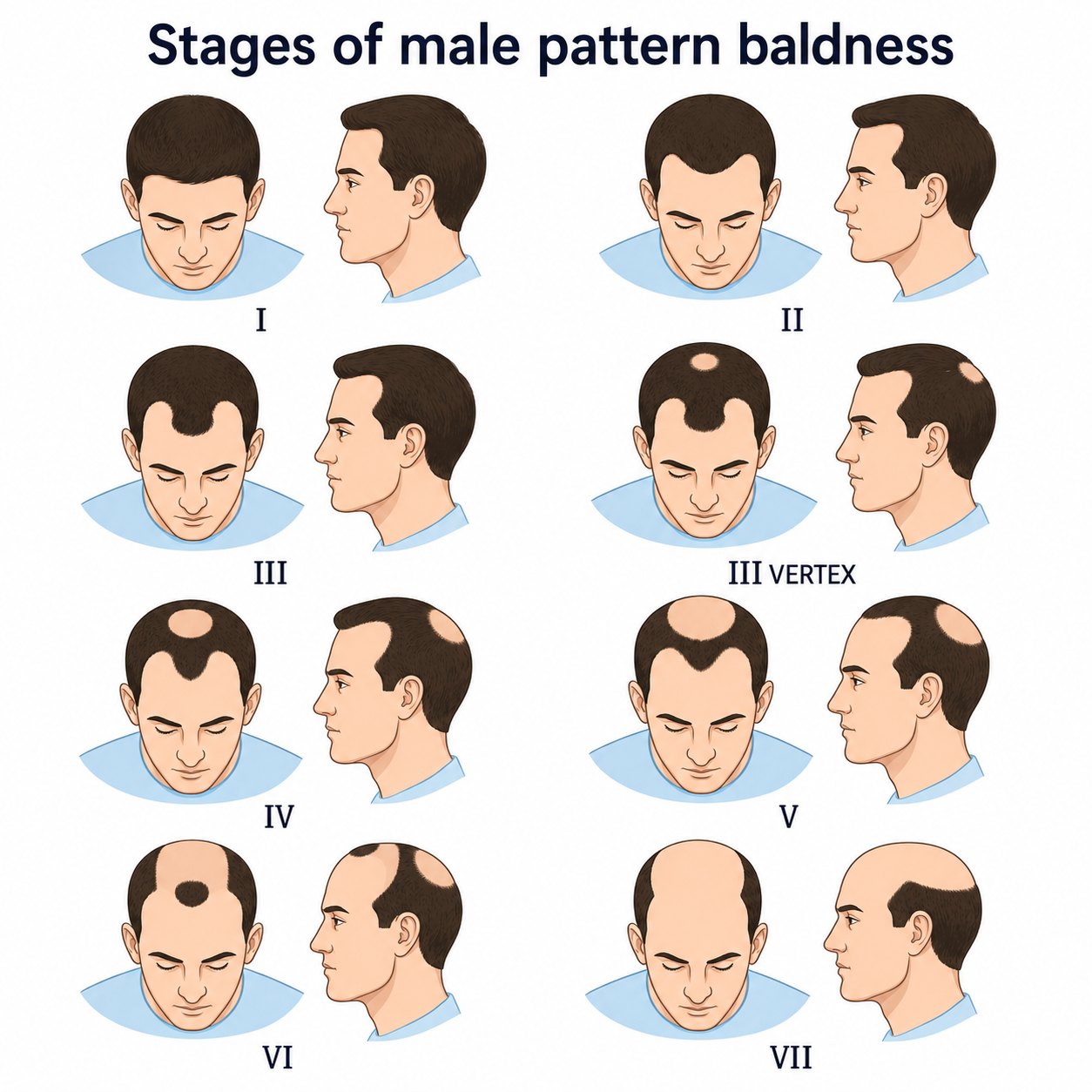
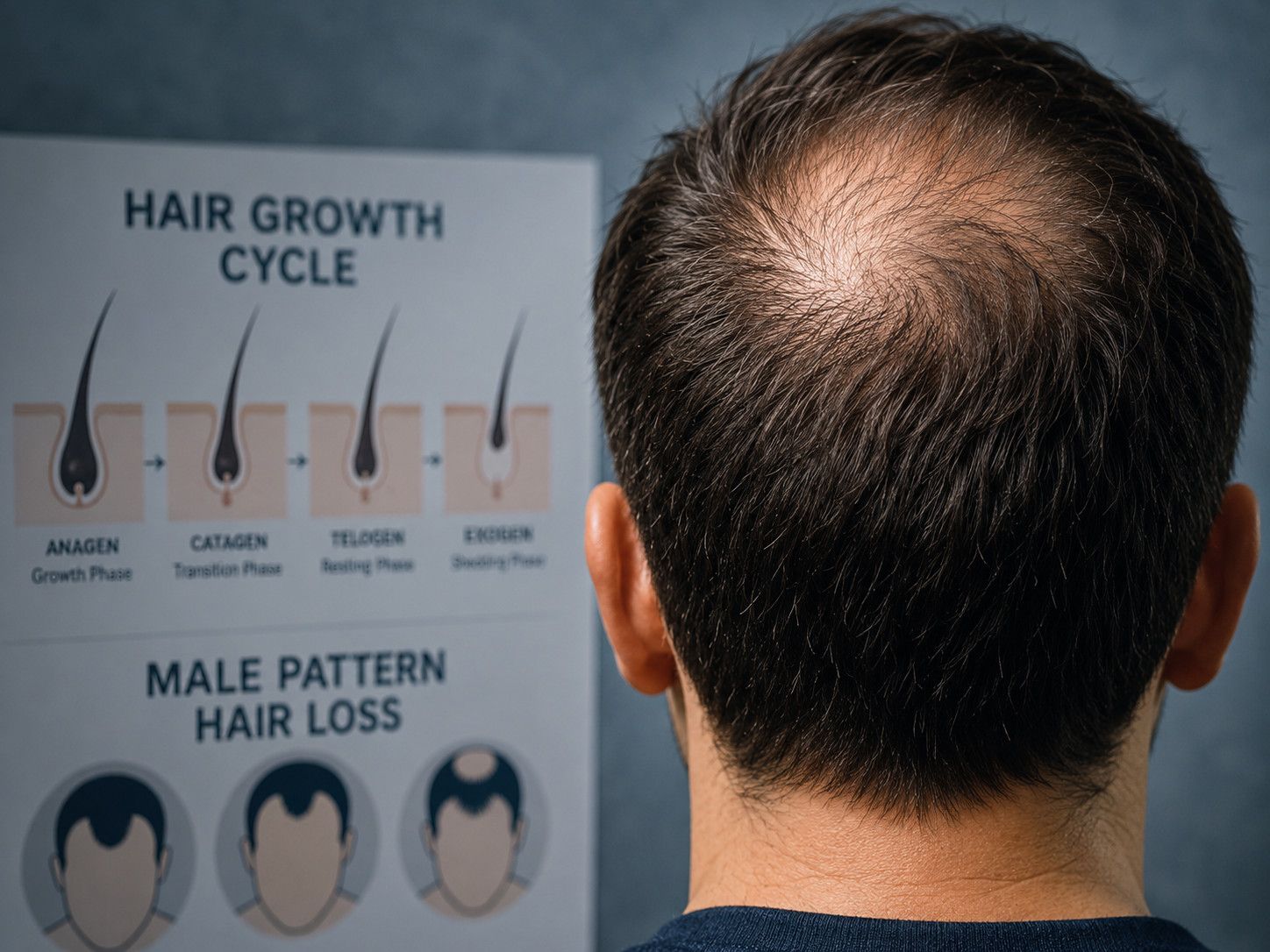
Before choosing a date for a hair transplant, establish what is causing the hair loss and what surgery could reasonably improve. A plan should explain which areas will be treated, how much donor hair can be used and how the result may change as you get older.
Decide what you want to change
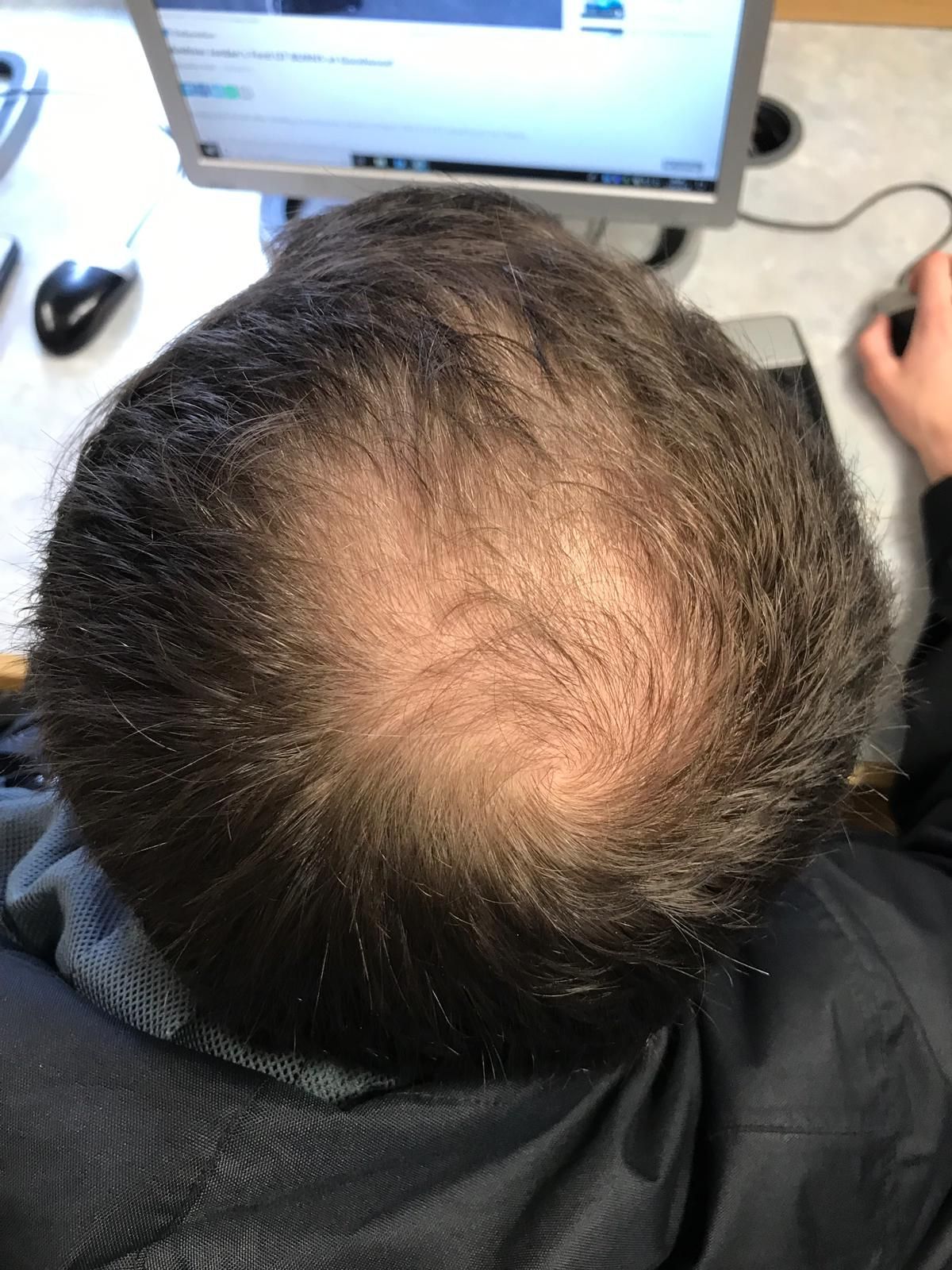
Be specific about what you want to change. It might be recession at the temples, the outline of your hairline or a thinning crown. Treating all three may need more grafts than your donor area can safely provide.
Bring photographs showing your usual hairstyle and earlier hairline. Use them to describe your preferences, rather than expect an exact recreation. Your present donor supply and future loss matter as much as the appearance you remember.
Establish the diagnosis and timing
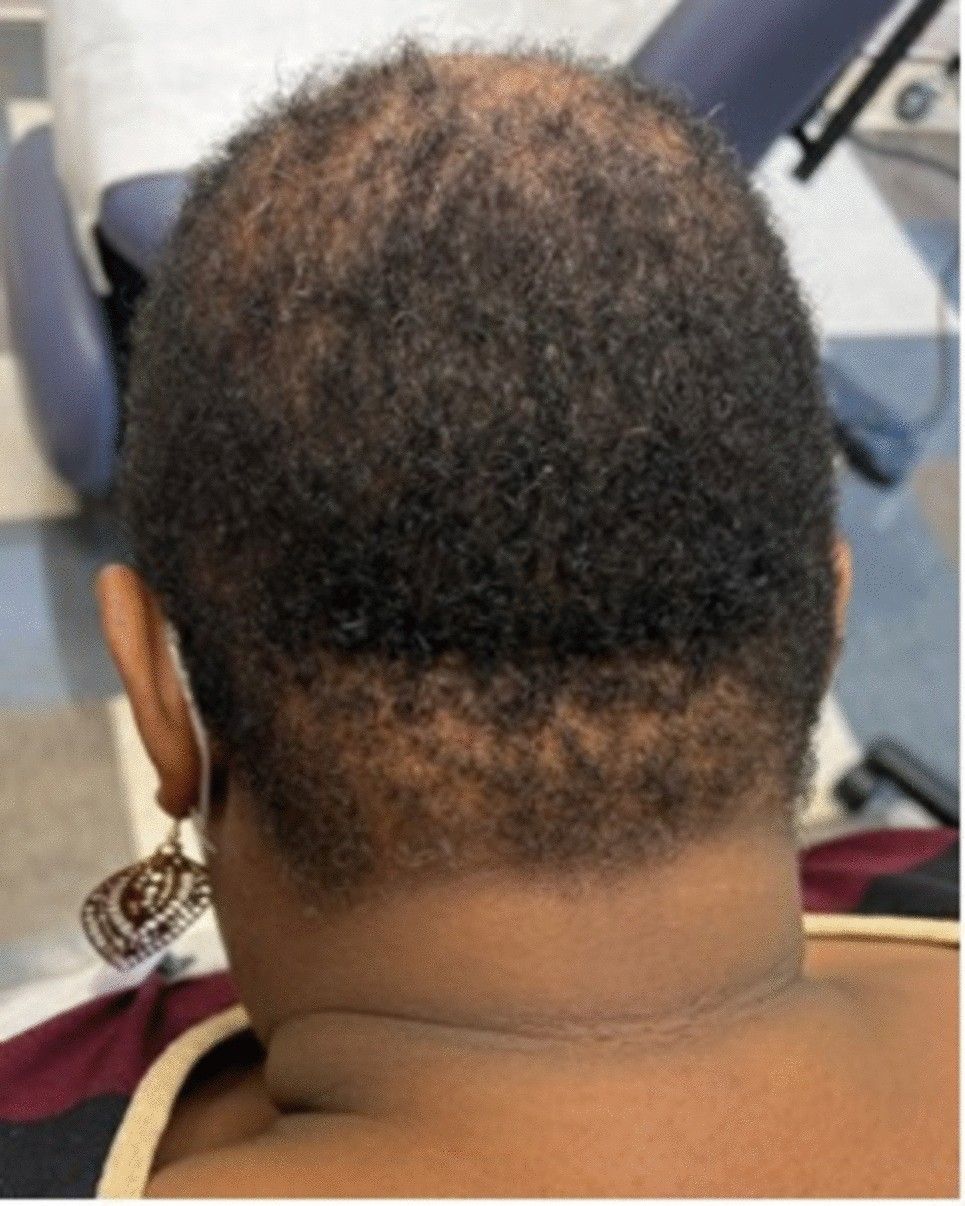
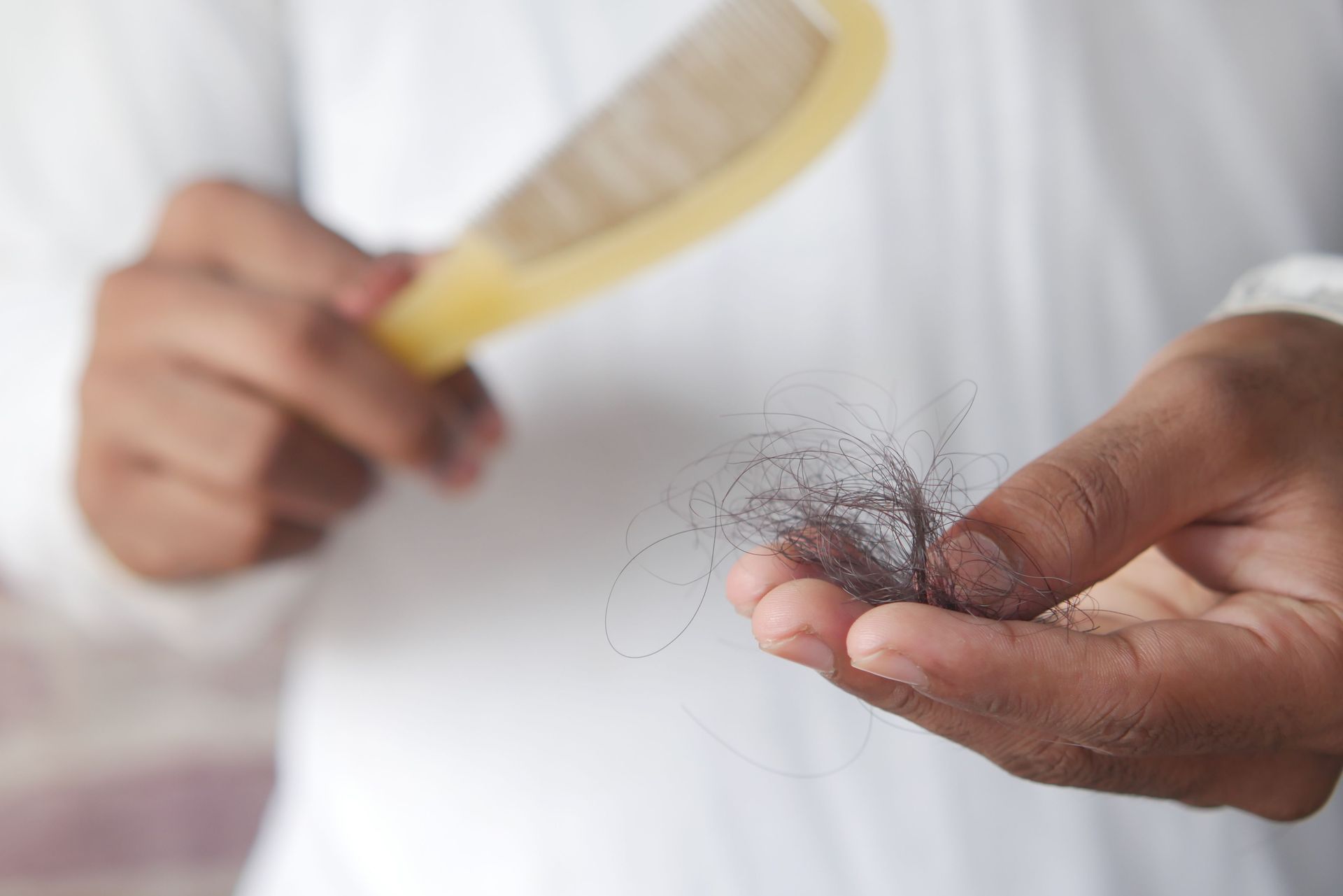
Not all thinning is inherited pattern loss. Diffuse shedding following illness or weight change, patchy loss and scalp inflammation may need assessment or treatment before surgery is considered. The British Association of Dermatologists' patient information explains one common cause of temporary shedding.
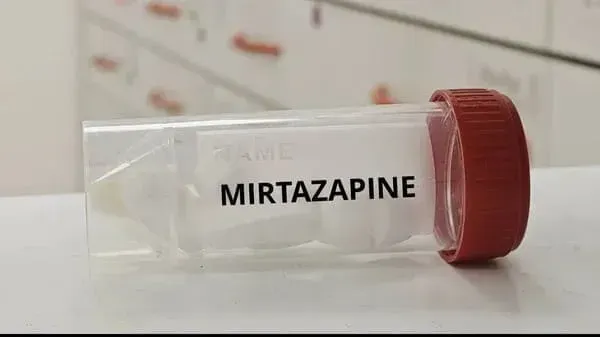
Rapidly changing hair loss can make long-term planning difficult. The surgeon should explain whether observation or medical treatment would help clarify the pattern. Medication is an individual decision with potential adverse effects; it should not be added automatically to a package.
Understand the method being proposed
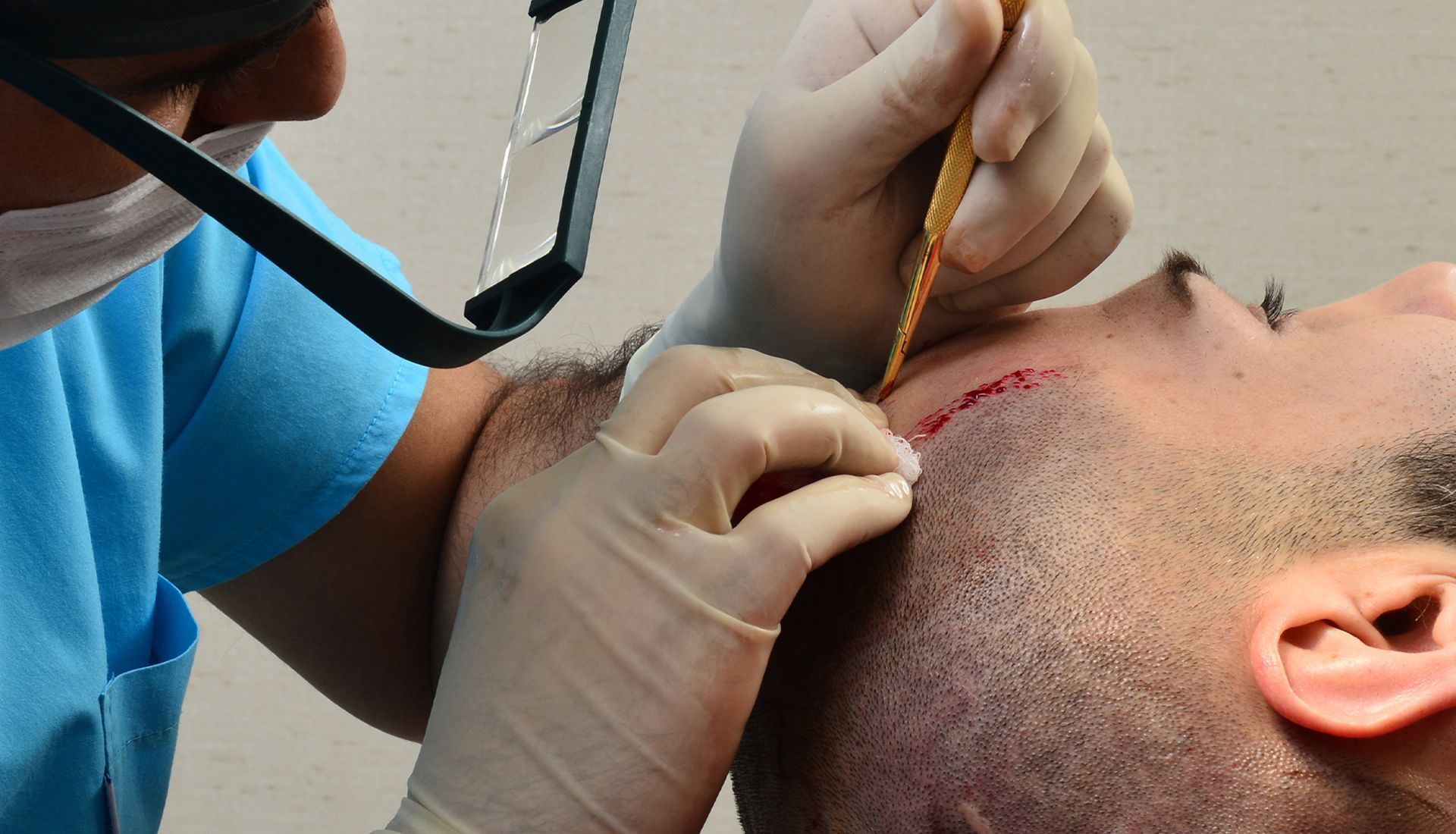
FUE removes follicular units individually; FUT obtains grafts from a strip of scalp. Both require graft preparation and placement. DHI usually refers to the use of an implantation pen and may be combined with FUE extraction.
Robotic assistance and different implantation tools do not eliminate surgical judgement. Ask what equipment changes in your procedure, who uses it and what evidence supports any claim of a better outcome. Our techniques guide explains the terms without treating them as guarantees.
Plan for the donor area as well as the front
After extraction, the donor area needs to retain acceptable coverage and, where possible, enough hair for future treatment. Ask the surgeon to assess it at your preferred hair length. Previous extractions, scarring and diffuse thinning can reduce what is available.
A graft estimate should be linked to the area being treated. Ask what the clinic will do if the assessment on the day differs from the initial estimate. More grafts should not be removed simply to meet a number in a package.
Make recovery practical
Tell the clinic about your job, protective headwear, exercise, travel and important events. Healing and hair growth happen at different stages: being ready to return to work does not mean the final result will be visible. A deadline cannot guarantee how your hair will look.
Read the NHS information on recovery and risks and ask the clinic for instructions specific to you. Confirm an emergency contact and the schedule for reviewing healing and growth.
Questions and answers
Is there an ideal age for a transplant?
Age alone does not determine suitability. The diagnosis, progression, donor area, health and expectations all need assessment.
Do I need the largest graft package I can afford?
No. The number should follow the treatment area and donor limits. A smaller, well-explained plan may better match your priorities and future needs.
Can surgery stop the rest of my hair thinning?
No. Transplantation redistributes hair. The plan should account for the possibility that surrounding native hair will continue to thin.