Postpartum hair loss: what helps and when to seek advice
Increased shedding after childbirth is often temporary, but persistent loss or scalp symptoms should be checked.

On this page
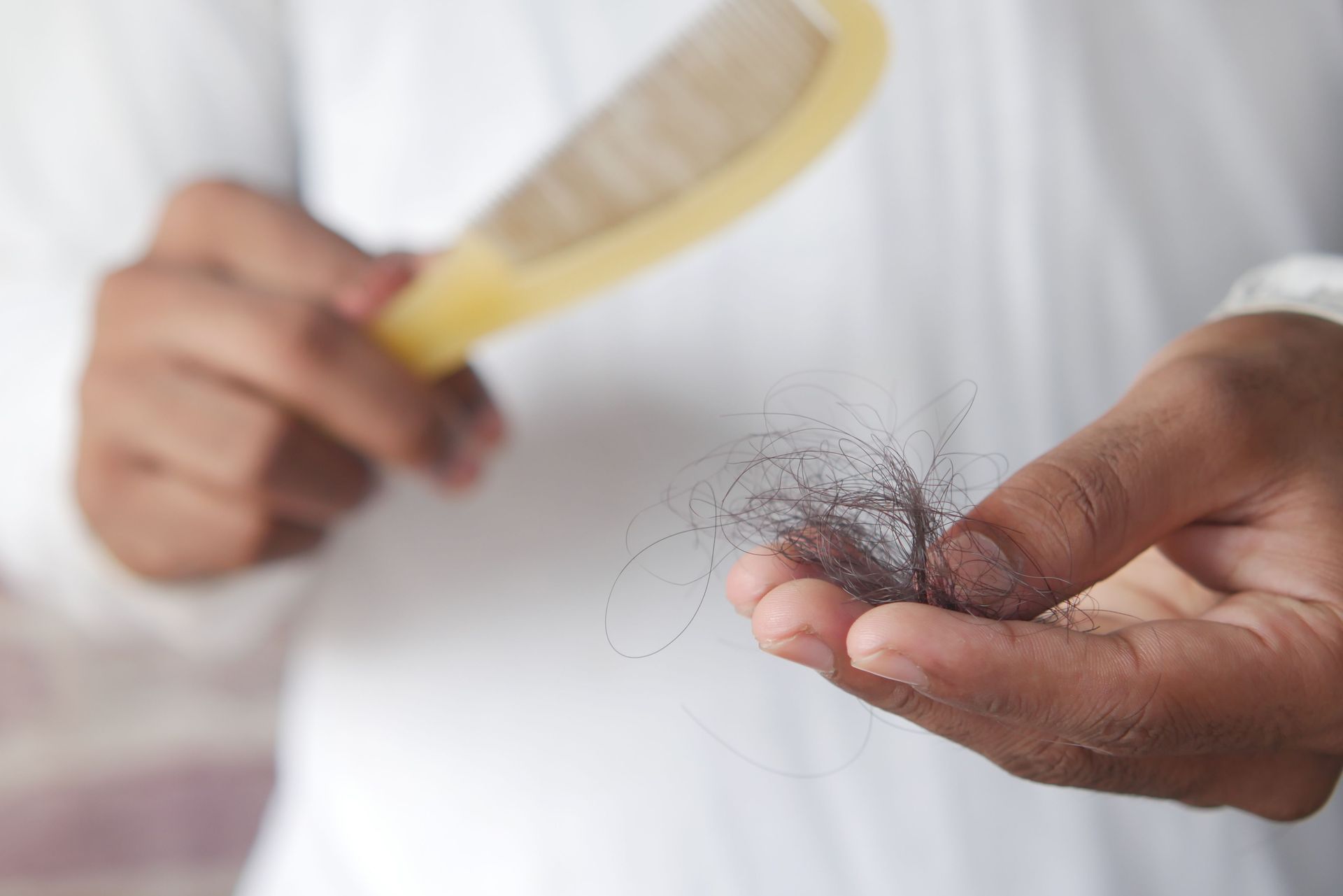
Increased hair shedding a few months after childbirth is commonly a form of telogen effluvium. It can be alarming when hair collects in the shower or on a brush, but it does not usually mean that the follicles have been permanently lost. Recovery varies, and other causes can occur at the same time.
Why the shedding happens later
Hormonal changes around pregnancy and birth affect the timing of the hair cycle. Hairs that remained in the growth phase during pregnancy can later move into the resting and shedding phases together. The delay in the cycle explains why the change may become obvious some time after the birth.
The American Academy of Dermatology's postpartum guidance describes shedding that commonly peaks around four months after birth and says most women regain normal fullness by their child's first birthday. That is a general pattern, not a personal guarantee or a reason to ignore concerning symptoms.
Make day-to-day hair care manageable
Keep to a washing and conditioning routine that suits your hair; trying to save every loose strand can make hair care stressful. Avoid forceful brushing and hairstyles that pull painfully at the hairline. A different cut or parting may help you manage regrowth, although it will not change the hair cycle.
Volumising products can alter how the hair looks and feels. They do not treat the hormonal shift itself. If a product causes irritation, stop using it and seek advice if the scalp remains uncomfortable.
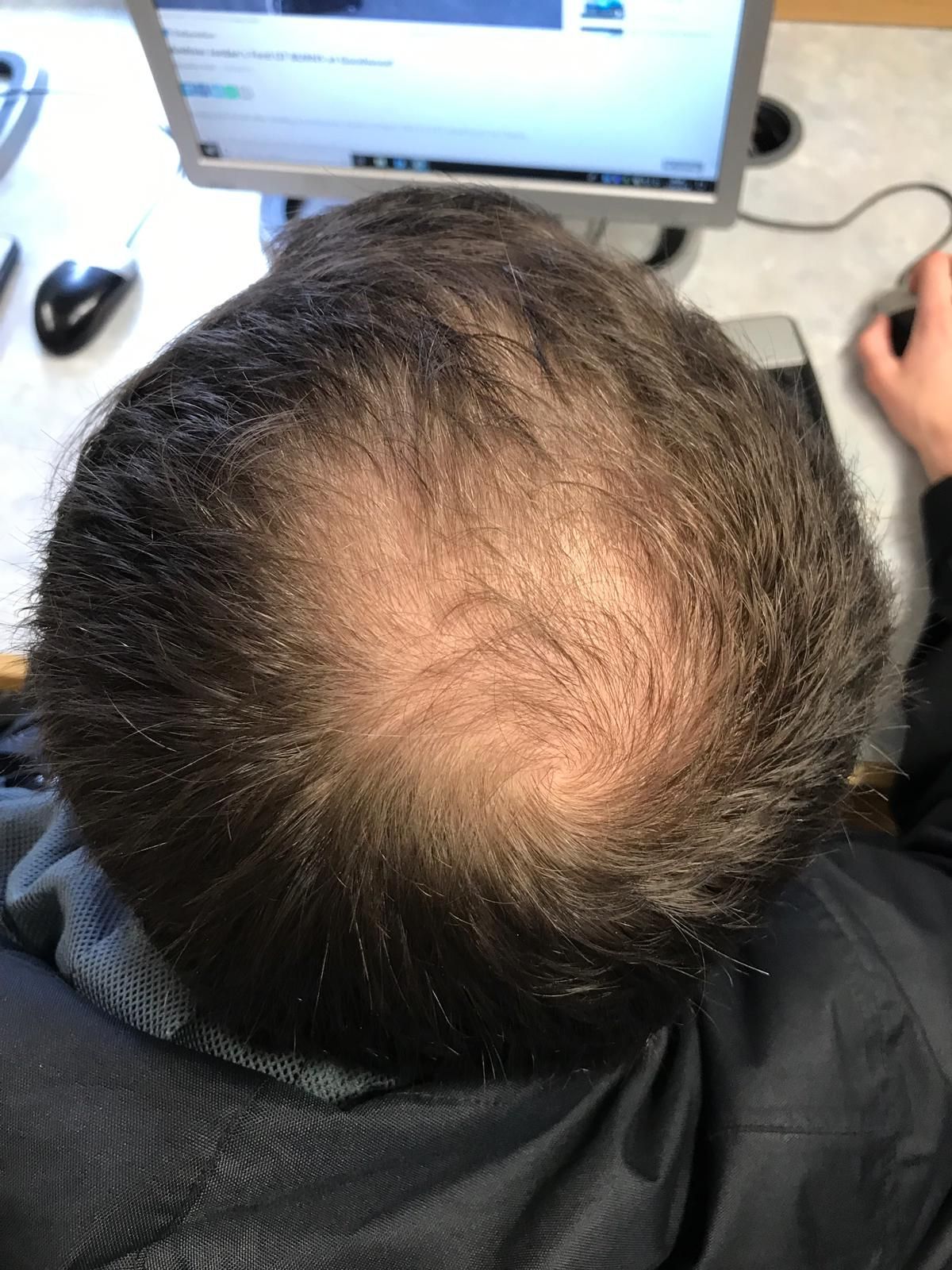
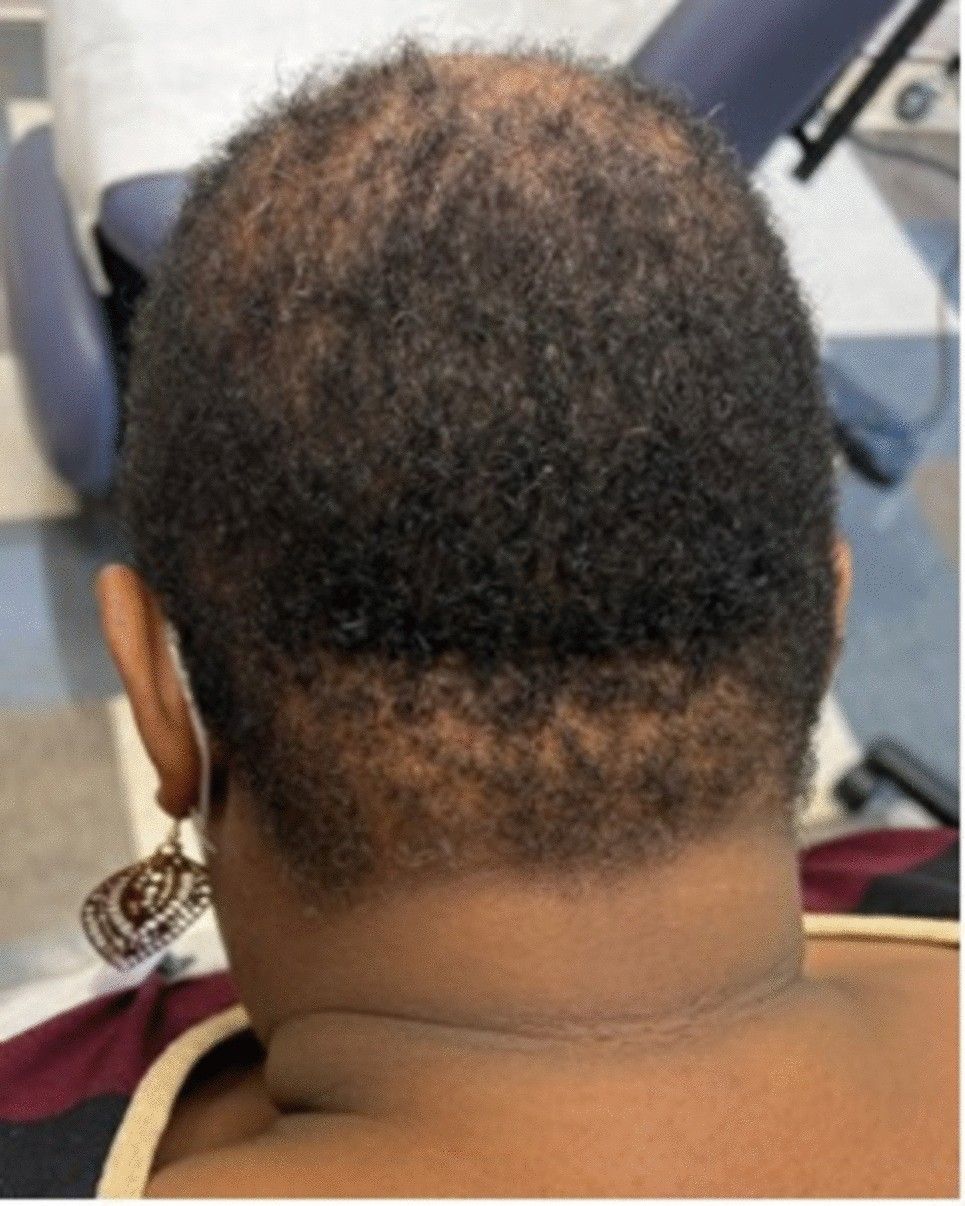
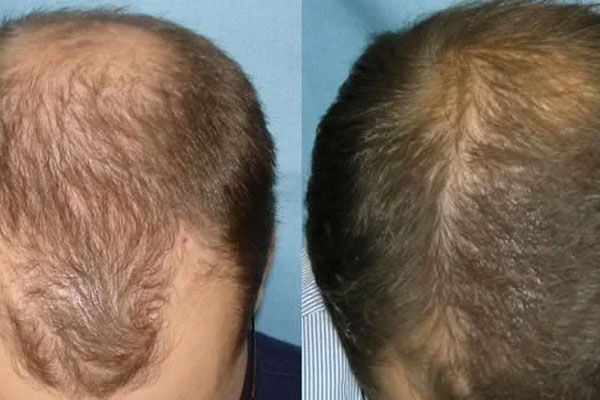
Short hairs around the hairline may be new growth, but breakage can also produce short hairs. Persistent gaps, inflammation or pain need an examination rather than reassurance based on a photograph alone.
Food, supplements and breastfeeding
Regular meals and adequate nutrition matter, especially if appetite, time or recovery have made eating difficult. A GP or dietitian can advise if you have a restrictive diet, substantial blood loss, ongoing fatigue or concern about a deficiency.
Extra biotin, iron or other high-dose supplements should not be presented as a routine cure for postpartum shedding. Continue supplements recommended for your circumstances and ask before adding hair-growth products. Tell the clinician about anything already being taken.
Pregnancy and breastfeeding affect medicine choices. Check with a clinician or pharmacist before using minoxidil, other hair-loss medicines or supplements. Advice for someone who is not pregnant or breastfeeding cannot simply be transferred.
When to see your GP
See your GP if the loss is patchy, painful, accompanied by scalp changes or showing no sign of improving. Mention unusual tiredness, unexplained weight changes or other symptoms too, rather than putting everything down to life with a new baby.
The British Association of Dermatologists' telogen effluvium leaflet explains that the assessment may consider other triggers and underlying conditions. Postpartum shedding and pattern hair loss can overlap.
Is a transplant needed?
A transplant is not the usual answer to temporary postpartum shedding. The first task is to establish the cause and allow appropriate recovery or treatment. If thinning persists, a dermatologist can assess what is happening before any surgical plan is considered.
Questions and answers
Does washing make postpartum hair loss worse?
Washing releases hairs that are already ready to shed. Avoiding washing does not stop the hair cycle, although gentle handling can reduce additional breakage.
Should I take hair vitamins while breastfeeding?
Check the exact product with a clinician or pharmacist. Supplements are not automatically suitable because they are sold for hair growth.
What if the hair has not returned to its previous fullness?
Arrange an assessment, particularly if the loss is persistent or accompanied by other symptoms. Do not assume that every continuing change is postpartum shedding.