Can you get a hair transplant on the NHS?
Cosmetic hair transplantation is privately funded. NHS assessment may still help identify a medical cause of hair loss.


On this page
A cosmetic hair transplant is not available on the NHS. That does not mean you should ignore unexplained hair loss or assume that every assessment and treatment must be private. A GP can assess symptoms and advise whether investigations or referral are needed.
Cosmetic surgery and medical care are different questions
The NHS hair transplant page describes transplantation as cosmetic surgery that is not available on the NHS. It moves suitable donor follicles into an area where more coverage is wanted.
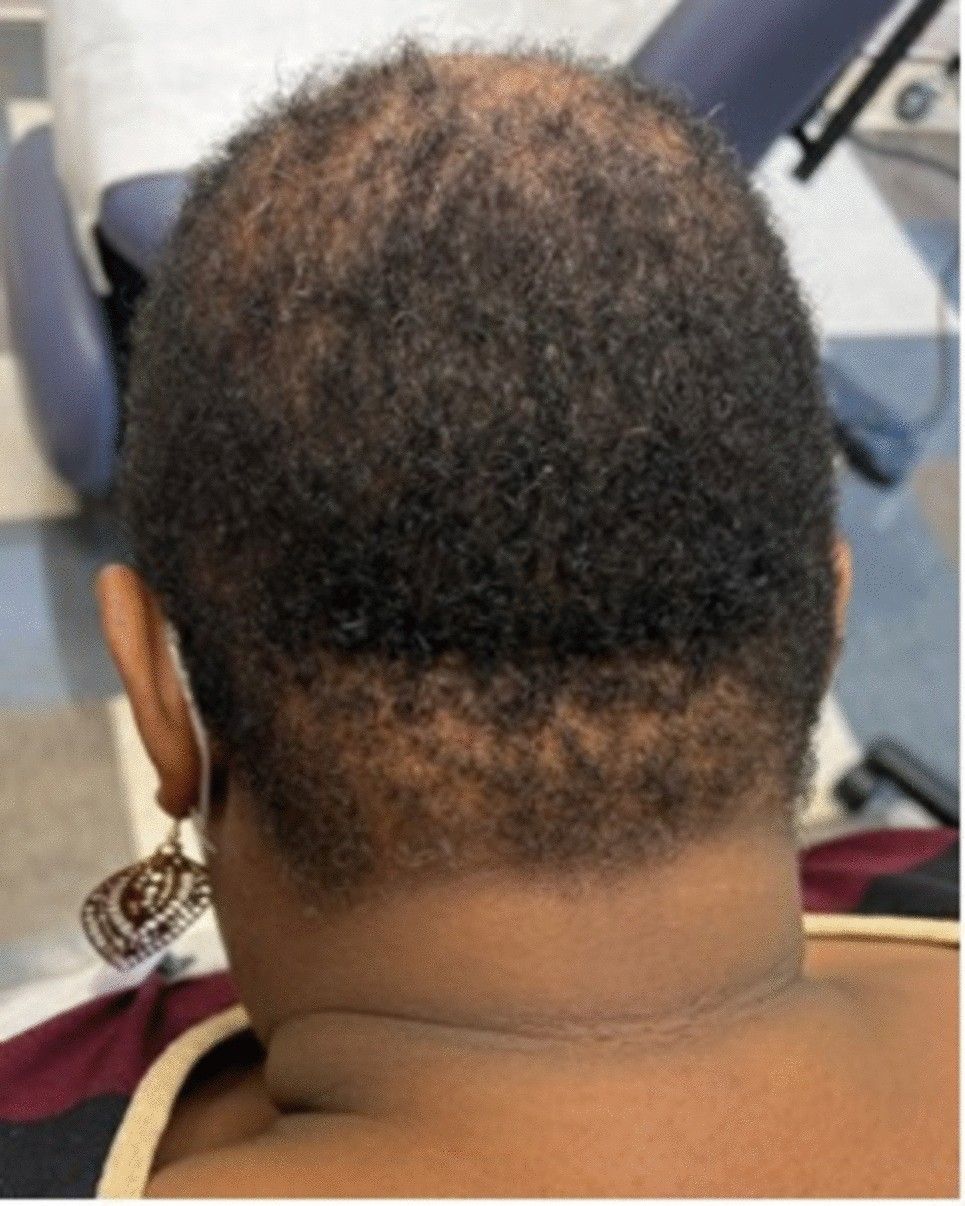
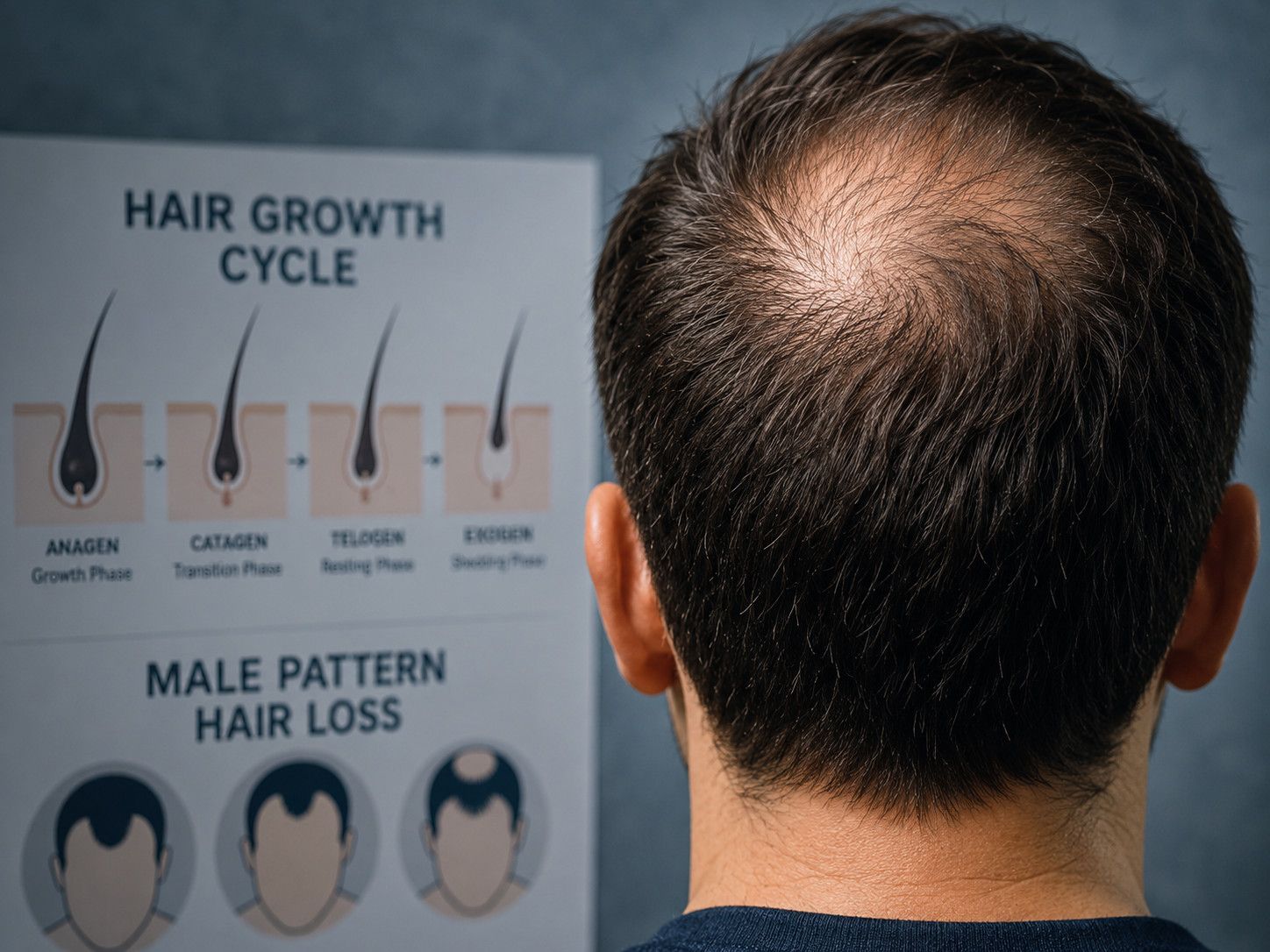
Hair loss itself can have several causes. Sudden shedding, smooth patches, inflammation, scalp pain or a change associated with illness or medication may require medical assessment. The NHS hair-loss information explains when to see a GP and outlines treatment considerations.
What to tell your GP
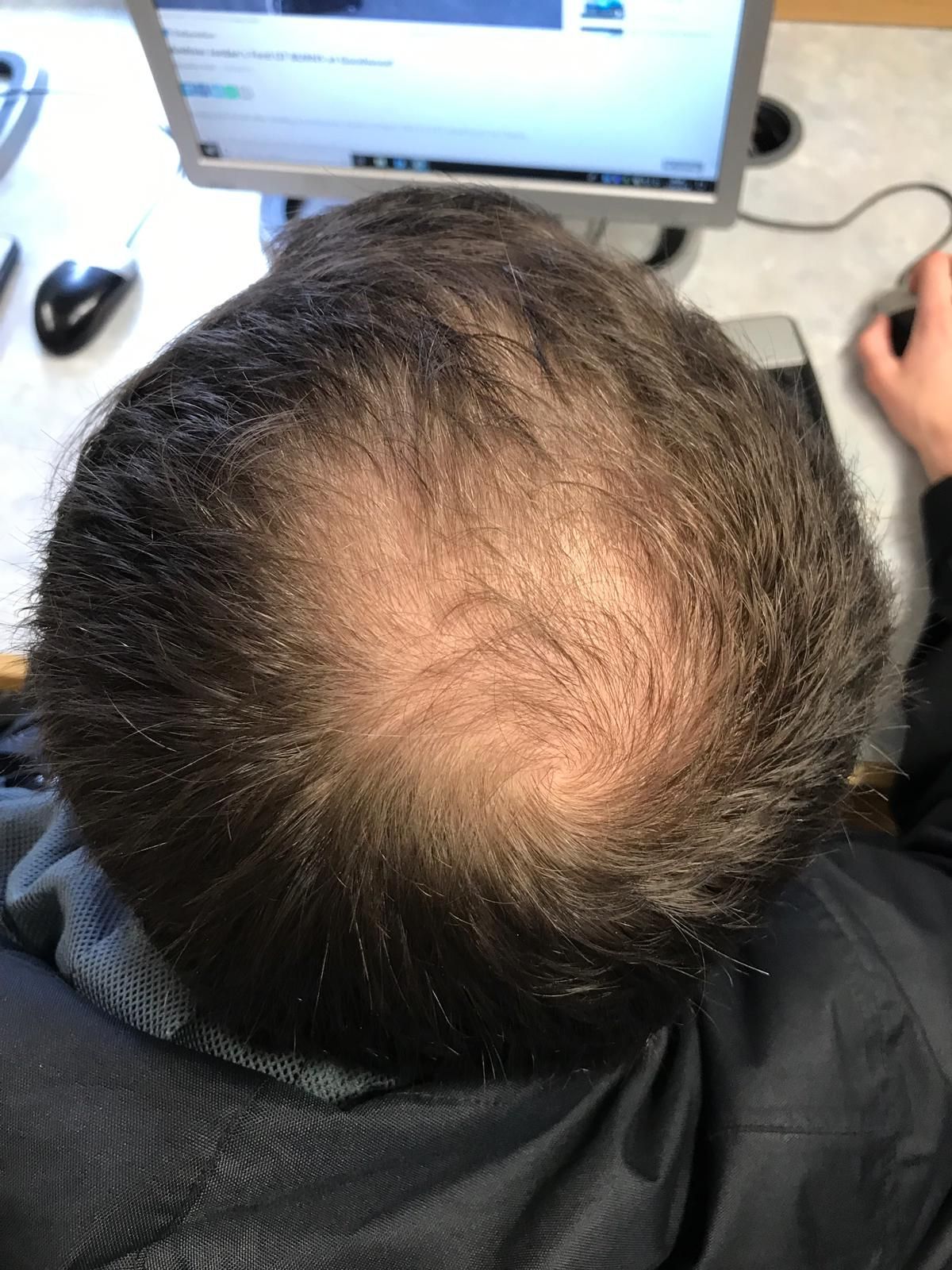
Tell your GP when the change began, whether it affects the whole scalp or specific areas, and whether you have itching, soreness or scaling. Mention recent illness, childbirth, weight changes and changes in medication. Older photographs may help show the difference.
The next step depends on the findings. A blood test may be appropriate for a suspected underlying problem, but there is no single test that diagnoses every form of hair loss. A dermatologist may be needed where the cause is uncertain or an inflammatory or scarring condition is suspected.
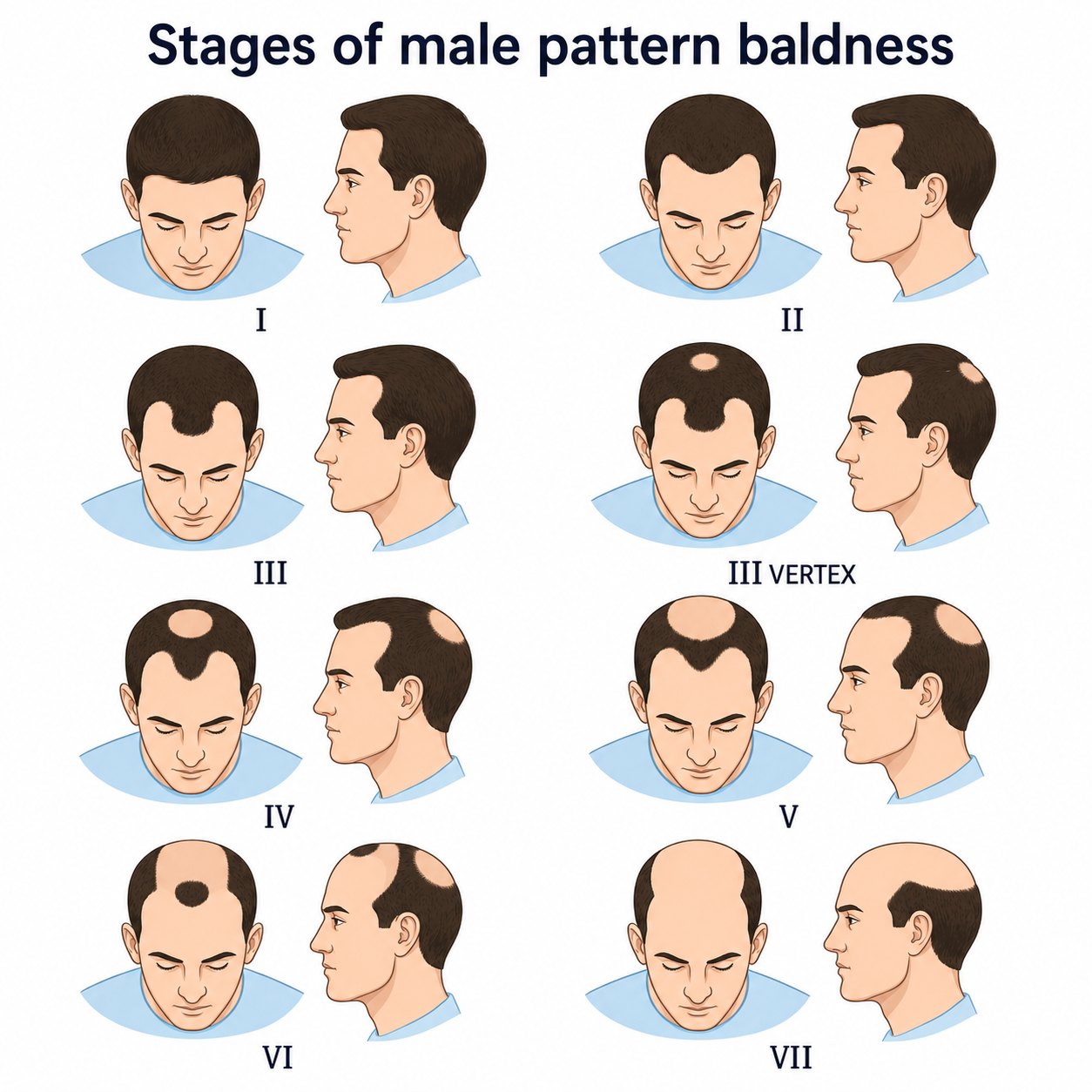
Our guide to types of alopecia explains why pattern hair loss, alopecia areata and telogen effluvium need different approaches. A transplant should not be used to bypass that distinction.
If you are considering private treatment
Ask the surgeon to explain why transplantation is suitable for the diagnosed condition, whether it should be delayed and what alternatives exist. Donor hair is finite, and the surrounding native hair may continue to thin after surgery.
Check the named doctor, the regulated location where treatment will take place and who performs each stage. Ask for written costs and follow-up arrangements, including how the clinic deals with complications and a result that falls short of the agreed plan.
Risks to understand before consenting
A hair transplant can cause bleeding, infection, scarring, temporary or persistent changes in sensation and an unsatisfactory cosmetic result. Some grafts may not grow. FUE makes small donor wounds; FUT makes a strip incision. Neither approach is scar-free.
Avoid descriptions that make recovery sound identical for everyone. The number of grafts, method, health and healing all matter. The treating team should provide instructions tailored to your operation and a contact route for unexpected symptoms.
Questions and answers
Can my GP arrange a cosmetic transplant for a receding hairline?
The NHS states that cosmetic hair transplantation is not available on the NHS. A GP can still help assess hair loss and discuss appropriate medical care.
Does a private transplant replace treatment for a scalp condition?
No. An active scalp disorder may need treatment first and may make surgery unsuitable. Establishing the cause comes before deciding on surgery.
Who provides aftercare for a private transplant?
Clarify this with the private clinic before booking, including urgent advice and reviews. Do not assume routine private aftercare will automatically be supplied elsewhere. Seek urgent medical care when symptoms require it.