Can you stimulate hair growth? What is worth considering
Start with the cause of thinning before investing in oils, devices or a subscription of supplements.

On this page
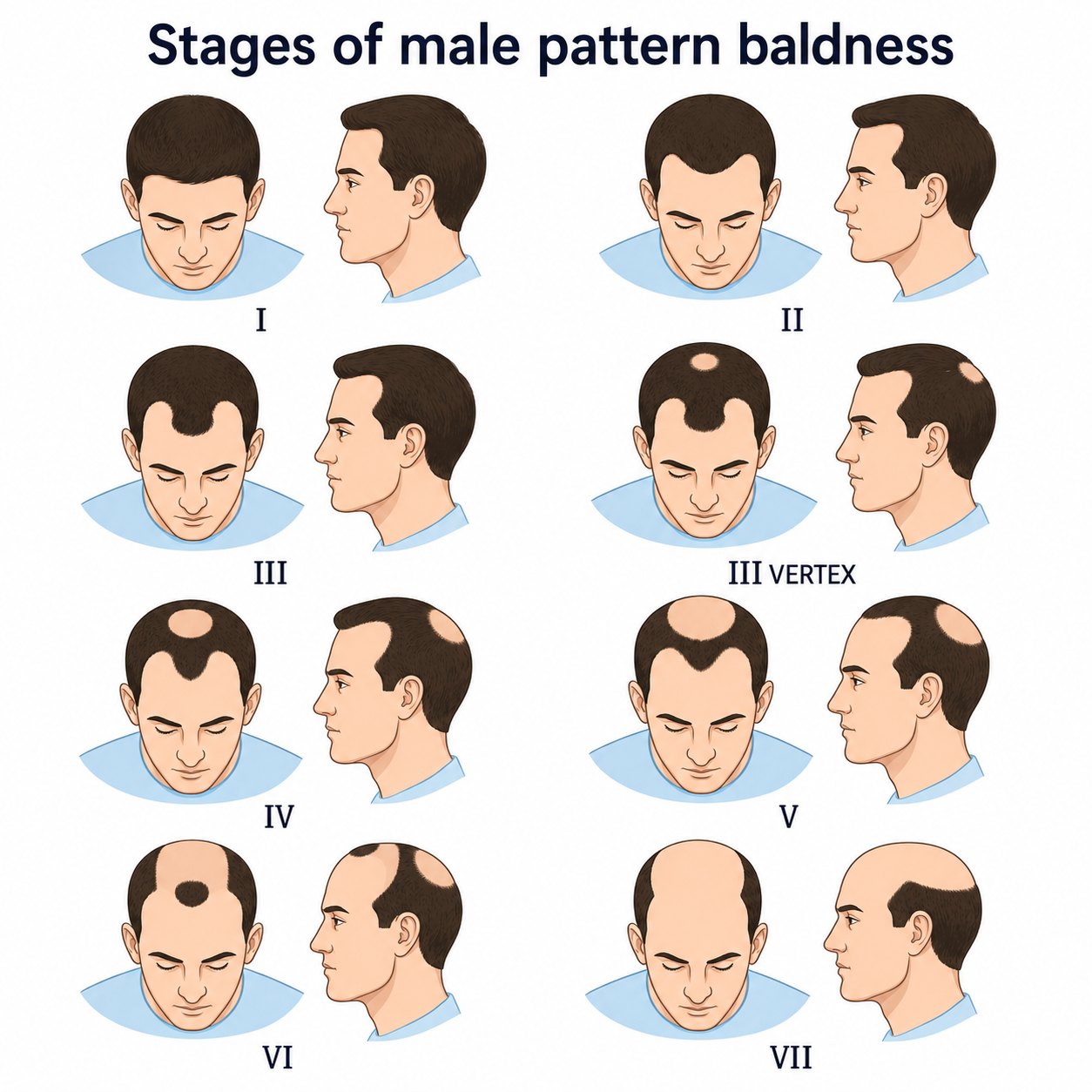
There is no single way to stimulate hair growth that treats every cause of thinning. The useful first step is to identify whether you have pattern loss, increased shedding, breakage or a scalp condition. The same-looking gap can have different explanations and need different care.
Match the treatment to the problem
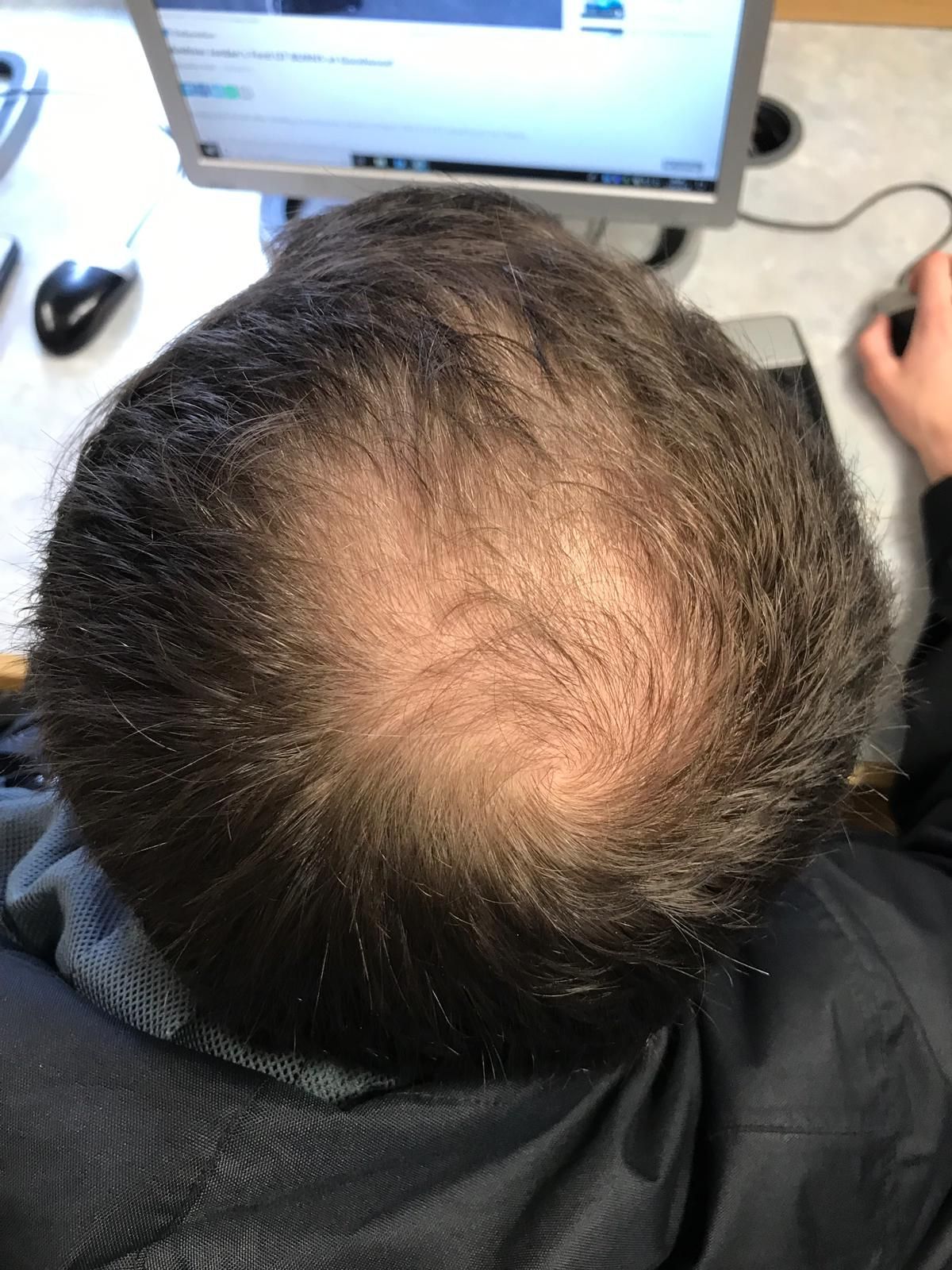
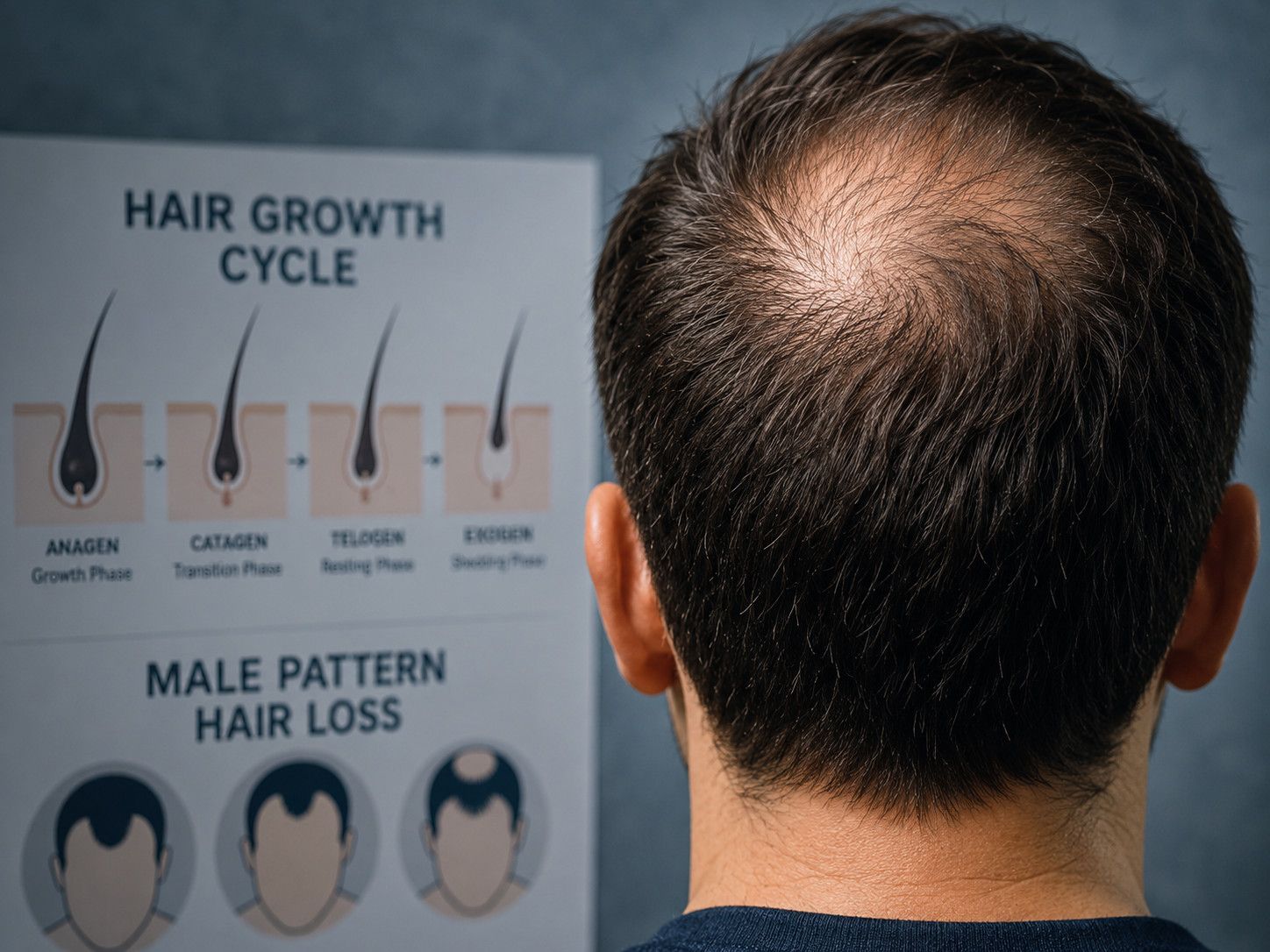
Gradual miniaturisation in pattern hair loss differs from temporary shedding after illness or marked weight change. Scarring conditions can permanently damage follicles and need medical assessment. Products marketed simply as “growth boosters” rarely make these distinctions clear.
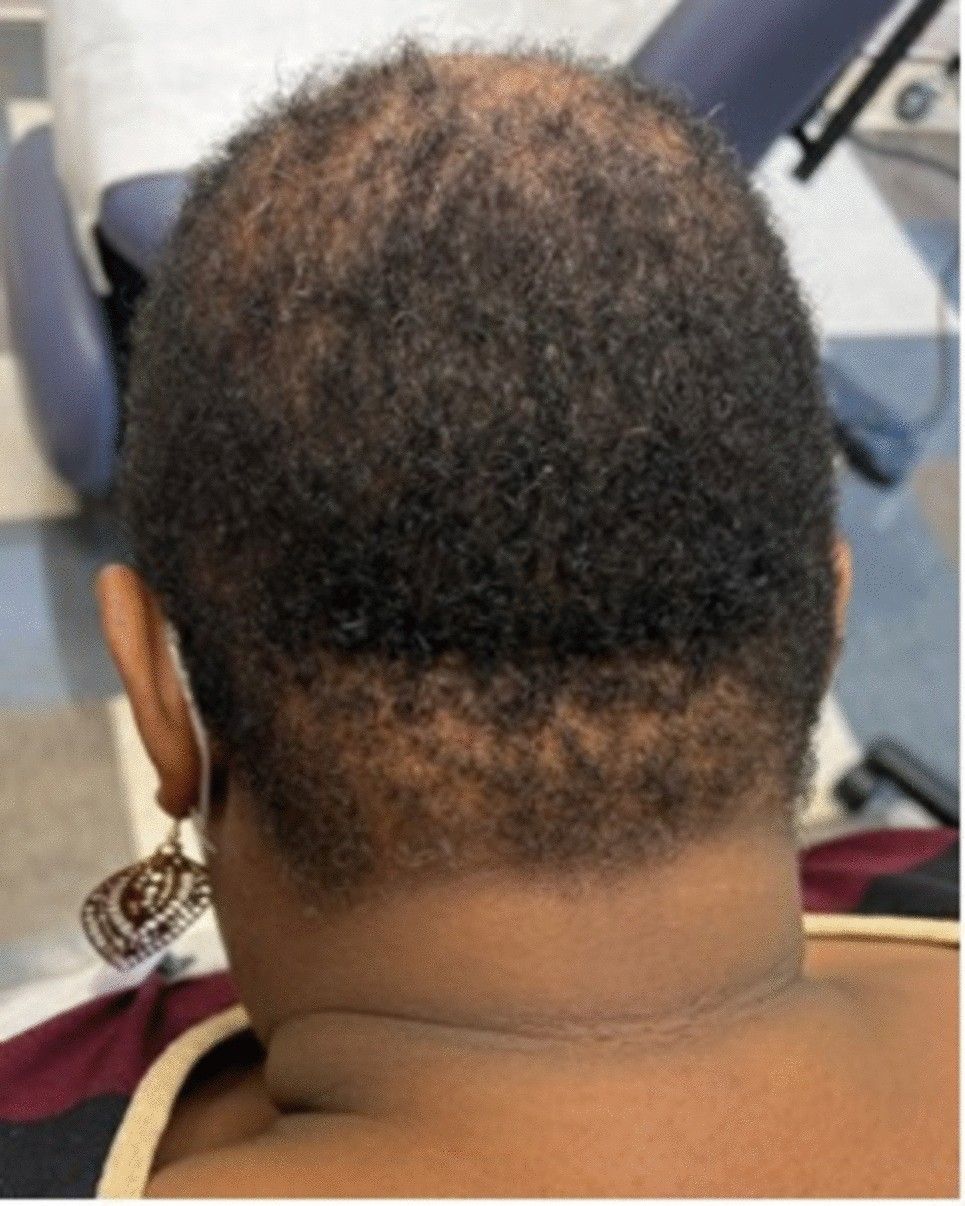
Keep a timeline of changes and bring a list of medicines to an appointment. If loss is sudden, patchy, painful or associated with inflammation, arrange assessment before trying another cosmetic product. Our guide to types of alopecia explains the main differences.
Medicines have evidence and limitations
Topical minoxidil may help some people with pattern hair loss. Response takes time and is not universal; ongoing use is usually needed to maintain benefit. The right product, precautions and application depend on the individual and the manufacturer's instructions. Our minoxidil guide covers these points.
Finasteride can be considered for male pattern loss after a prescribing discussion. Psychiatric and sexual adverse effects need to be covered, as set out in the MHRA safety advice. A prescription should not be reduced to a generic recommendation to take a daily pill.
How to judge an oil or supplement claim
Look at what the research actually tested. A laboratory experiment, an animal study and a controlled trial in people answer different questions. Showing that an ingredient affects an enzyme does not prove that a product containing it will regrow hair.
For example, our pumpkin seed oil article examines small human studies and their limitations. Oral and topical products cannot be assumed to have identical effects. A product containing several ingredients also makes it harder to attribute any change to one of them.
Correcting a deficiency can be useful when it is present. Taking additional iron or vitamins without a reason is a different proposition. Review diet and symptoms with a clinician rather than treating every shedding episode as a need for supplements.
Protecting the hair you already have
Gentle detangling, appropriate conditioning and reducing repeated heat or traction can reduce breakage. That can improve apparent fullness without altering follicle growth. AAD hair-care advice explains practical ways to avoid additional damage.
Massage may feel pleasant, but it should not be presented as a proven replacement for treatment of pattern loss. Stop any practice that causes pain, irritation or increased pulling. An inflamed scalp needs an explanation rather than more vigorous stimulation.
Agree how to assess progress
Take photographs before starting treatment and ask when a review would be useful. Keep later photographs comparable, and consider side effects, cost and the effort involved as well as appearance. Starting several products together makes it harder to work out which is helping or irritating your scalp.
Questions and answers
Does tingling mean a product is working?
No. Tingling or burning can be irritation. It does not demonstrate new growth or improved blood supply to follicles.
Can a supplement restore follicles destroyed by scarring?
No supplement should be promised to do that. Suspected scarring alopecia needs medical assessment to address the disease and limit further damage.
When should I consider a transplant?
Only after the cause and donor supply have been assessed. Surgery redistributes hair and is not a universal treatment for poor growth or shedding.