Wayne Rooney’s hair transplant: the facts and the limits
What is publicly confirmed, where he was treated and what his experience can tell someone considering surgery.


Wayne Rooney publicly confirmed having a hair transplant in 2011.
Where did Wayne Rooney have his transplant?
The public account confirms that treatment took place. It does not give readers access to a full medical record. His personal treatment bill and complete graft history are not verified here; photographs cannot supply those details.
What does FUE involve?
Follicular unit extraction, or FUE, removes small groups of follicles individually from a suitable donor area. The grafts are then placed in the areas selected for treatment. Extraction and placement are separate stages, even when a clinic uses an implanter pen during placement.
FUE avoids the strip incision used in FUT, but it still leaves small scars. Their visibility depends on the procedure, healing, extraction pattern and hair length. Our FUE treatment guide explains the approach; the choice of method needs an individual assessment.
Why a footballer's photographs are not a treatment plan
A photograph can show a change in appearance. It cannot reliably establish graft numbers, donor density, use of medication or the condition of the scalp. Hair length, styling, lighting and camera angle can all affect apparent coverage.
Even a clear before-and-after comparison cannot show how your hair would respond. Coarse or fine strands, curls and the contrast between hair and skin can give different impressions of density from similar graft counts. Your plan needs to account for your own hair characteristics.
The long-term question: what happens to the existing hair?
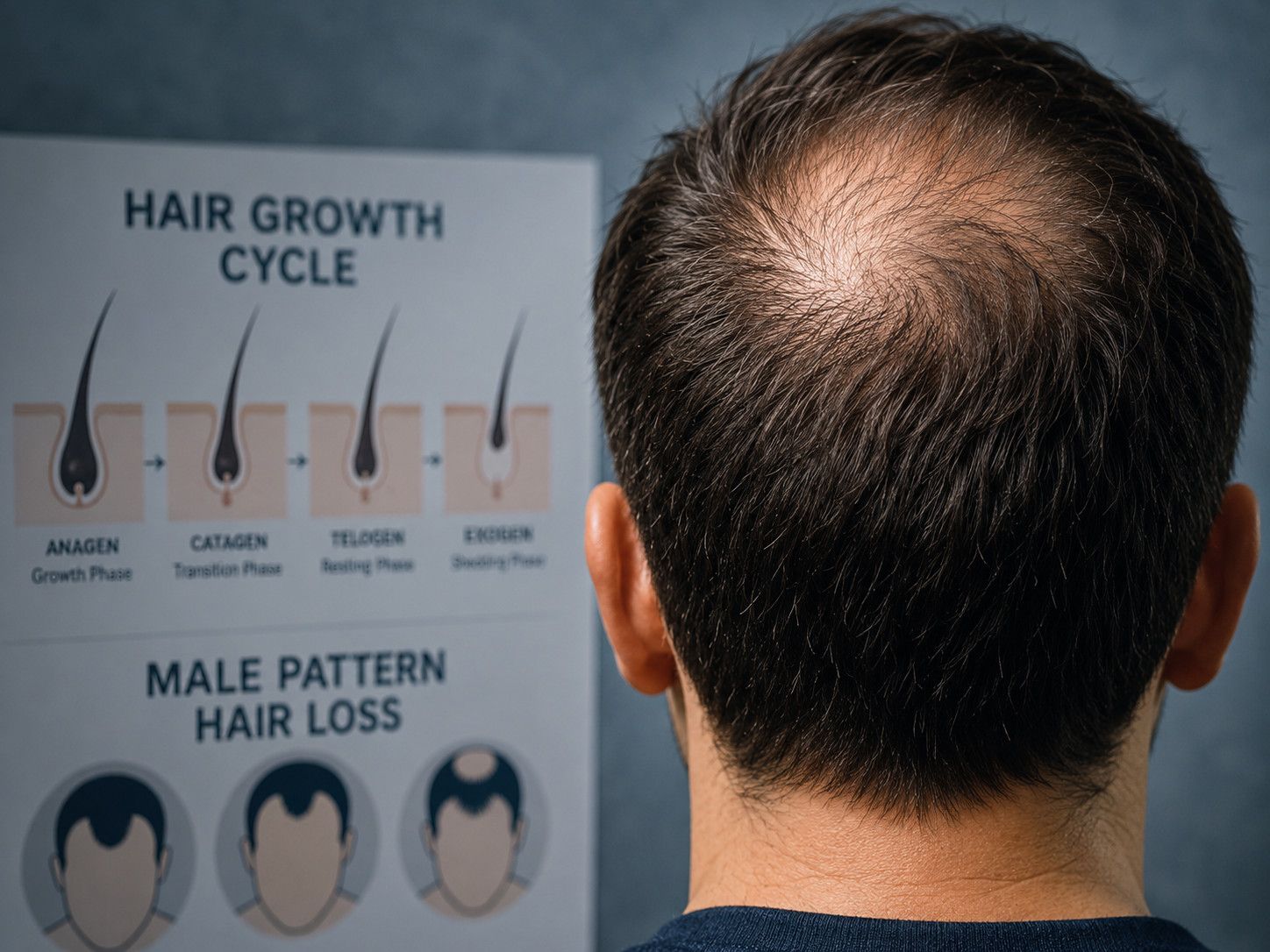
Surgery redistributes donor hair; it does not remove the underlying tendency to pattern hair loss. Existing hair around a transplanted area may continue to thin. That is why the proposed hairline needs to be considered alongside the likely future pattern, rather than drawn solely to match an old photograph.
The consultation should cover the available donor hair, which areas to prioritise and whether non-surgical treatment could help. Medication has benefits and risks and is not compulsory for everyone. The donor supply also limits how many further operations may be possible.
Questions worth asking before booking
- Who will assess me and perform each surgical stage?
- What coverage is realistic with my donor hair, and what would remain for the future?
- How will the hairline look if the surrounding hair continues to thin?
- What is included in the written price and follow-up care?
- Who should I contact if recovery does not go as expected?
The NHS guide to hair transplantation explains the procedures, regulation and risks. If you want to discuss your own hairline, an individual consultation is the next step; a celebrity comparison cannot determine suitability.
Questions and answers
How much did Wayne Rooney pay?
His personal invoice is not verified here. His cost would not establish the price of a procedure for someone else.
Is FUE the best choice for a receding hairline?
FUE may be suitable, but the decision depends on the diagnosis, donor area, extent of loss and proposed design. The method alone does not determine the quality of the plan.
Will people notice that I have had surgery?
There can be visible signs during healing, and a result may remain noticeable. Hairline design and placement aim for a natural appearance, but neither invisibility nor a particular cosmetic result can be guaranteed.