Mo Salah’s hair transformation: what photographs can tell us
A change in hairstyle can prompt speculation, but it cannot establish a private medical history.

On this page
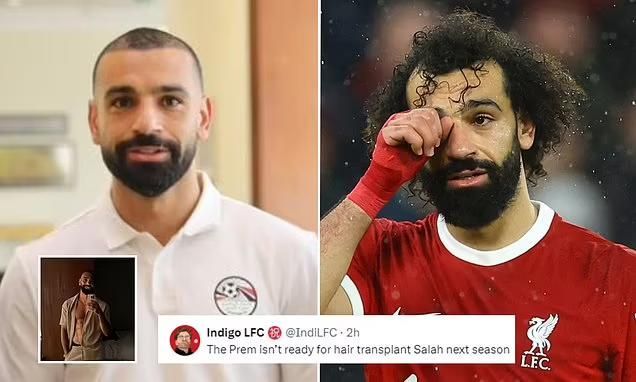
Mo Salah's changing hairstyle has prompted questions about a possible hair transplant. A procedure has not been verified here. Photographs alone cannot establish whether someone has had surgery, used medication or simply changed how their hair is cut and styled.
Why comparisons can be misleading
Short hair can show more scalp than longer curls. Lighting, wetness, camera angle and styling also affect how dense hair appears. Photographs taken in different conditions therefore cannot reliably identify a medical procedure.
A convincing comparison would still show appearance rather than a medical record. It could not reliably tell you the technique, graft count, clinic, price or recovery experience. Those details need reliable confirmation.
What a transplant would involve in general
Hair transplantation moves follicles from a suitable donor region to a planned recipient area. FUE removes follicular units individually; FUT obtains them from a strip of scalp. Grafts then need to be placed at appropriate angles and directions.
DHI usually refers to implantation with a pen-like tool. It does not mean the same instrument removes a donor follicle and transfers it directly in one step. Our DHI explanation separates extraction from placement.
These are general descriptions of surgery, not a claim that Salah underwent any of these methods. No photograph can determine which technique, if any, was used.
Curly hair and the appearance of coverage
Hair characteristics matter when planning treatment. Curl, strand thickness, colour contrast with the scalp and the way the hair is worn can influence apparent coverage. Two people receiving the same graft number may therefore have different-looking results.
The surgeon needs to examine your donor and recipient areas before planning treatment. A celebrity photograph can help explain the shape or style you like, but ask which parts of that look are realistic with your own hair.
If your own hairline has changed
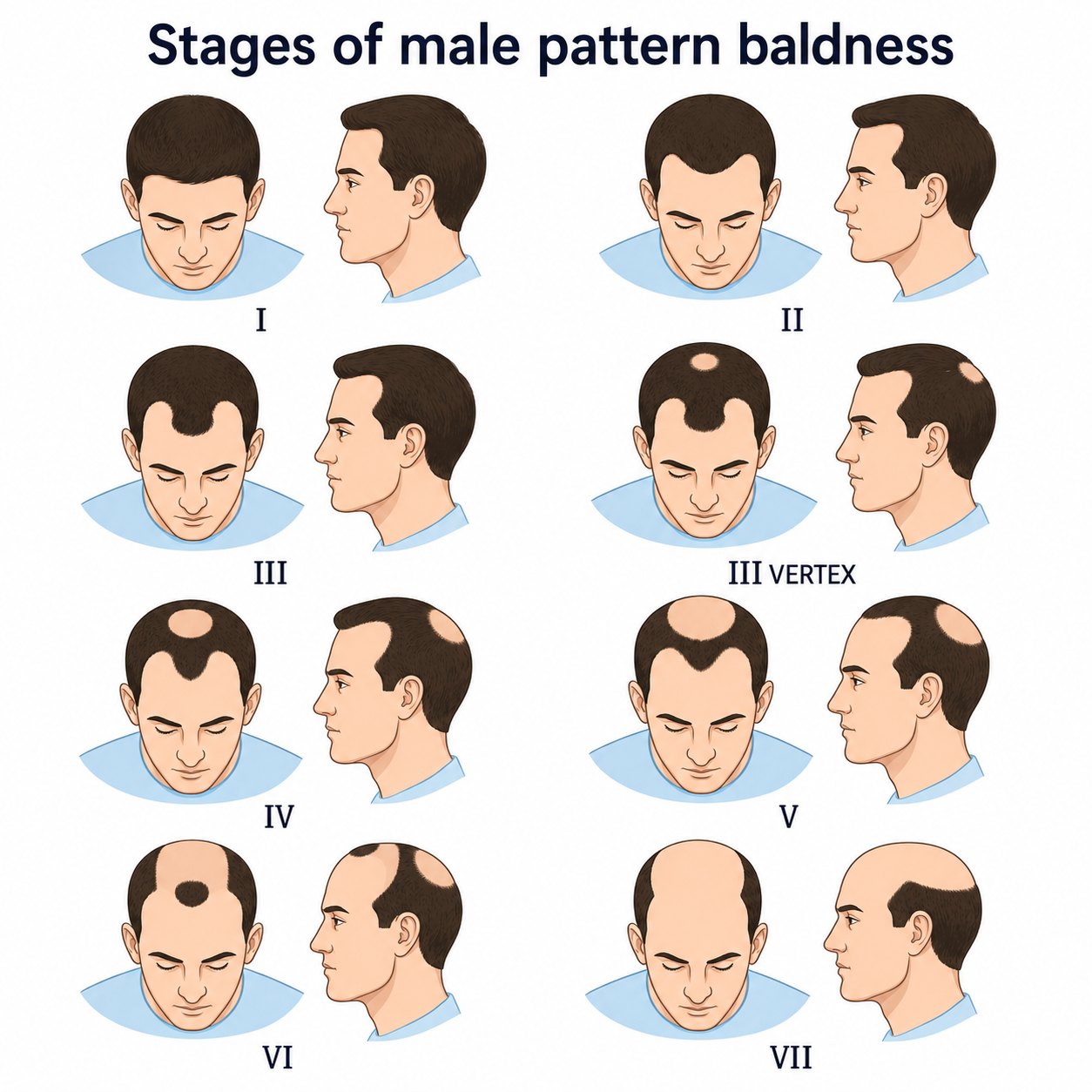
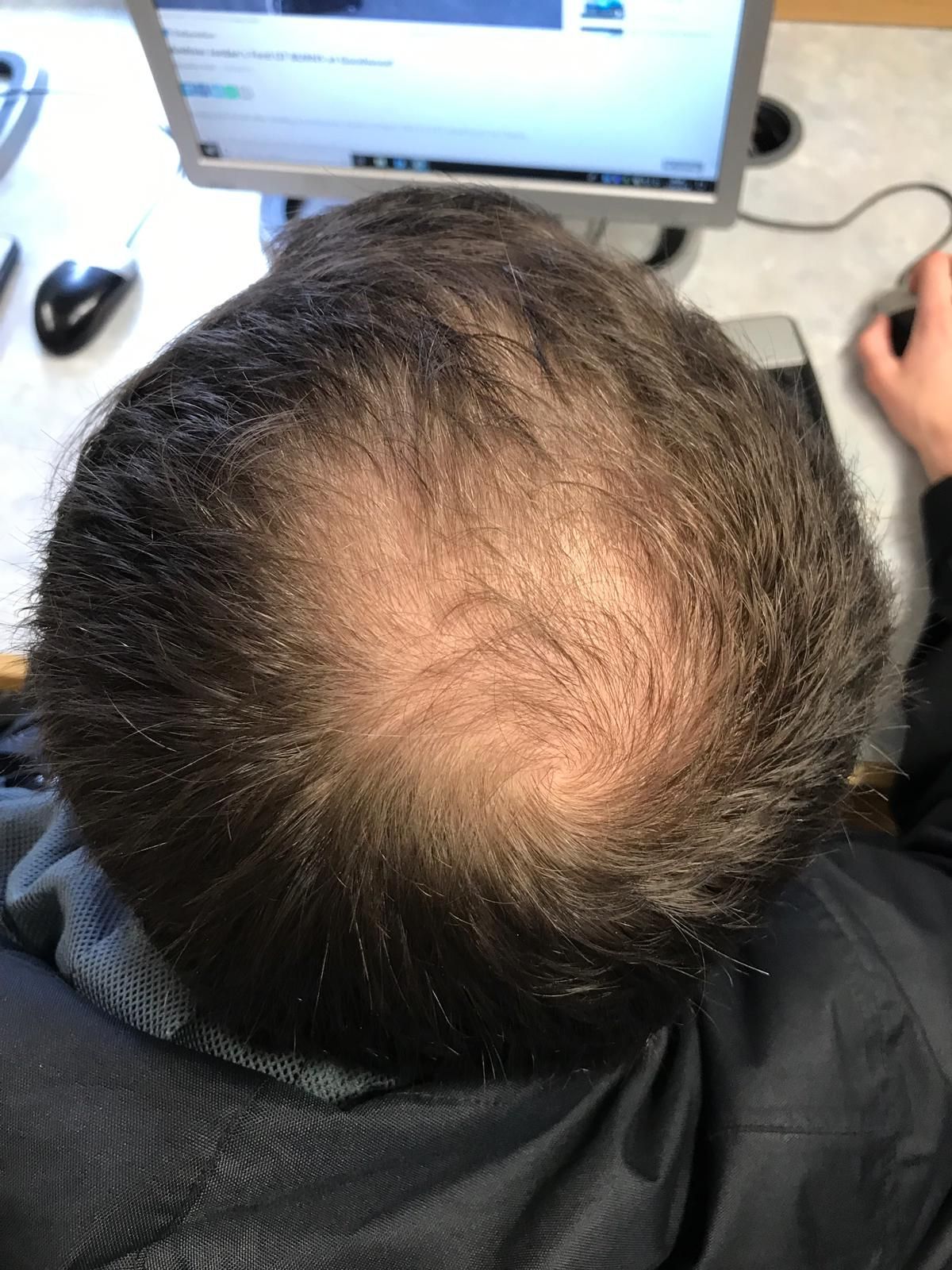
Look at the pattern over time. A widening parting, gradual recession, diffuse shedding and a new patch can have different causes. Photographs taken in the same light and at the same angle can help you describe the change to a clinician.
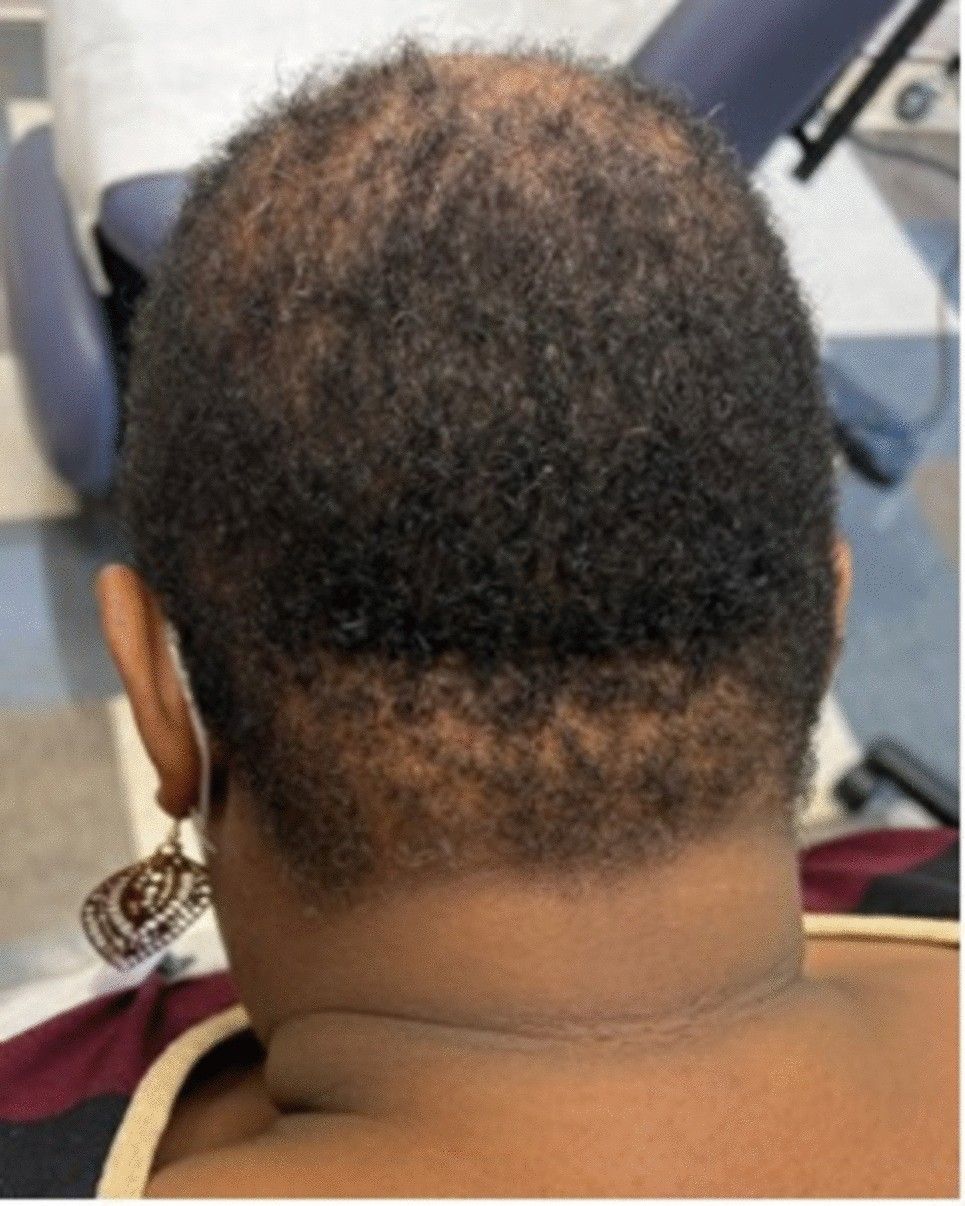
Seek assessment for persistent or progressive loss, and for pain, inflammation or sudden patches. The NHS information on hair loss explains possible causes and when to see a GP. An operation is not the starting point for every type of thinning.
Once the cause is understood, you can discuss whether monitoring, medication, cosmetic camouflage or surgery fits your circumstances. Each has different aims and limitations. The treatment options guide explains those distinctions.
Questions and answers
Has Mo Salah confirmed a hair transplant in this article?
No. We do not have verified confirmation to publish. The article does not identify a treating clinic or procedure.
Can the shape of a hairline prove surgery took place?
No. Appearance alone is not enough to establish treatment or medical history.
Can I ask for a similar hairstyle at a consultation?
Yes, as a way of explaining your preferences. The surgeon still needs to assess your hair, scalp and donor supply before discussing what is achievable.