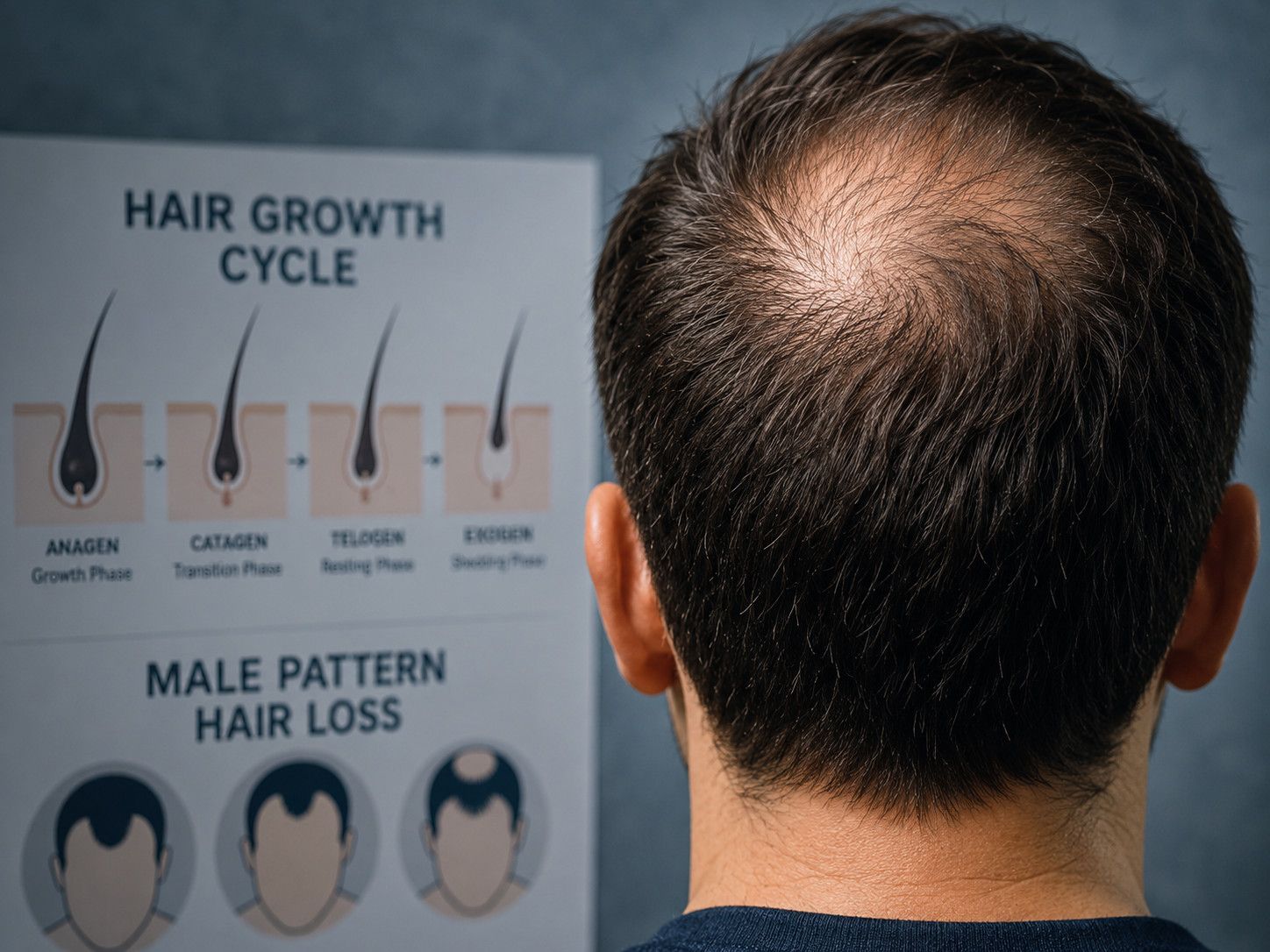
Mature hairline or progressive recession: how to judge the change
The shape in one photograph is less useful than the pattern, density and progression over time.

On this page
A slightly higher adult hairline does not automatically establish progressive balding. Equally, describing a hairline as “mature” does not prove that it will remain stable. The useful questions are whether it is changing, whether the hairs are becoming finer and whether thinning is developing elsewhere.
What people mean by a mature hairline
“Mature hairline” is a descriptive term often used for the change from a lower childhood or teenage hairline to an adult shape. There is no universal age, measured distance or exact outline that separates normal maturation from pattern hair loss in every person.
A mild M-shaped outline can occur with different situations. Measuring a finger's width above the eyebrows or comparing yourself with a single diagram cannot provide a diagnosis.
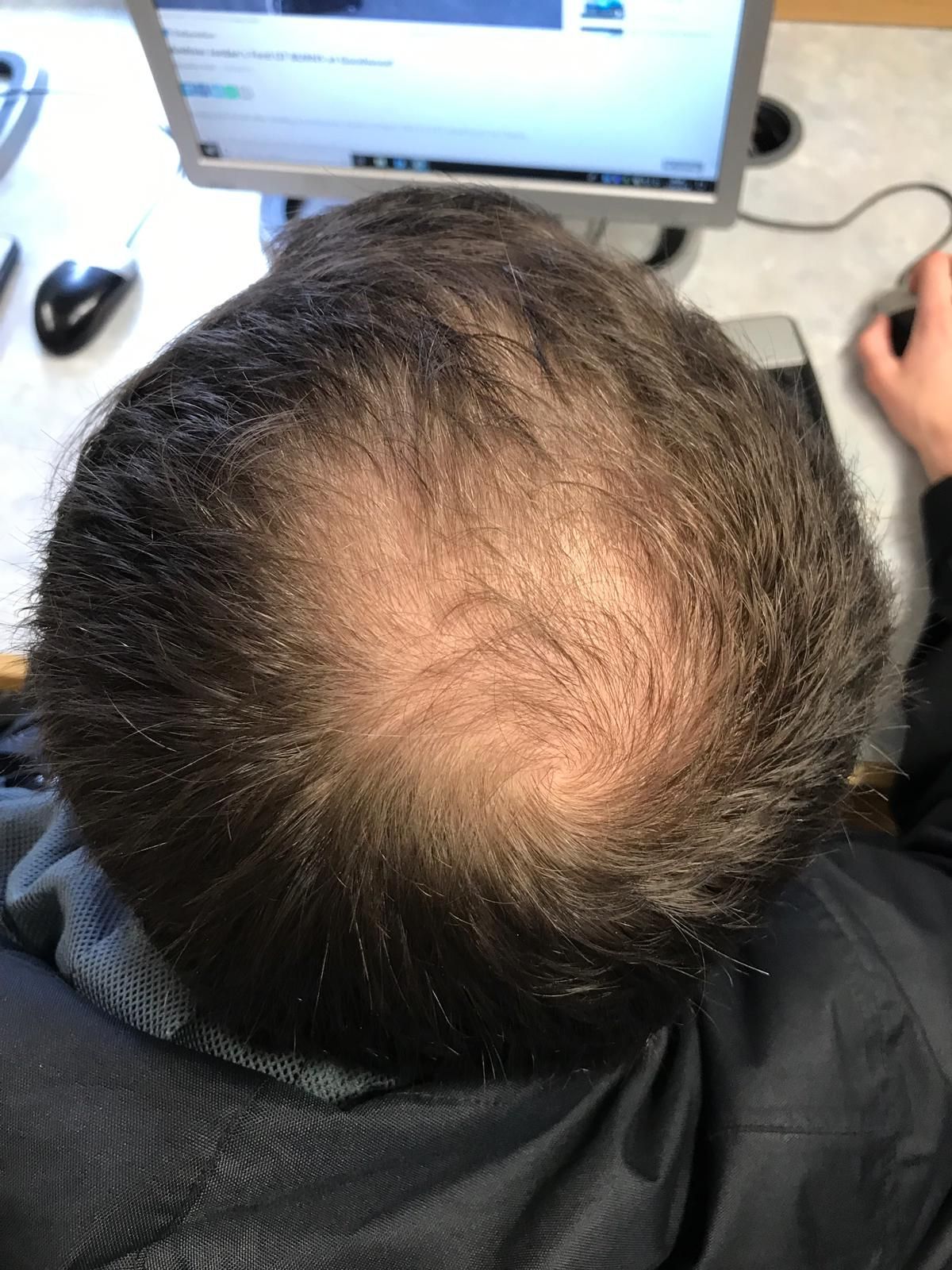
Look for progression and changes in density
Compare photographs taken far enough apart to reveal a meaningful change, with similar lighting and angles. Check the temples, centre of the hairline and crown. A change in hair length or style can make loss appear to have progressed when it has not.
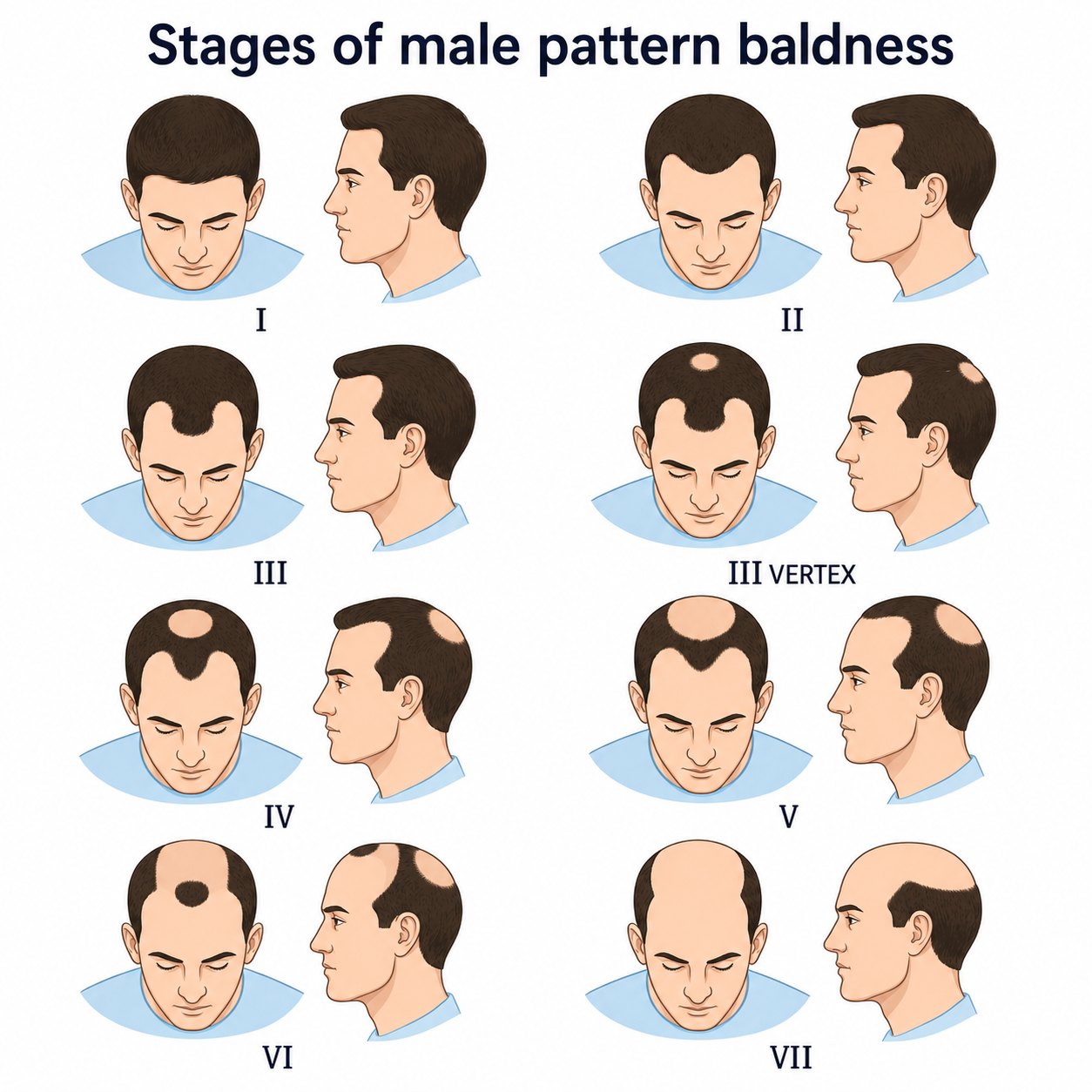
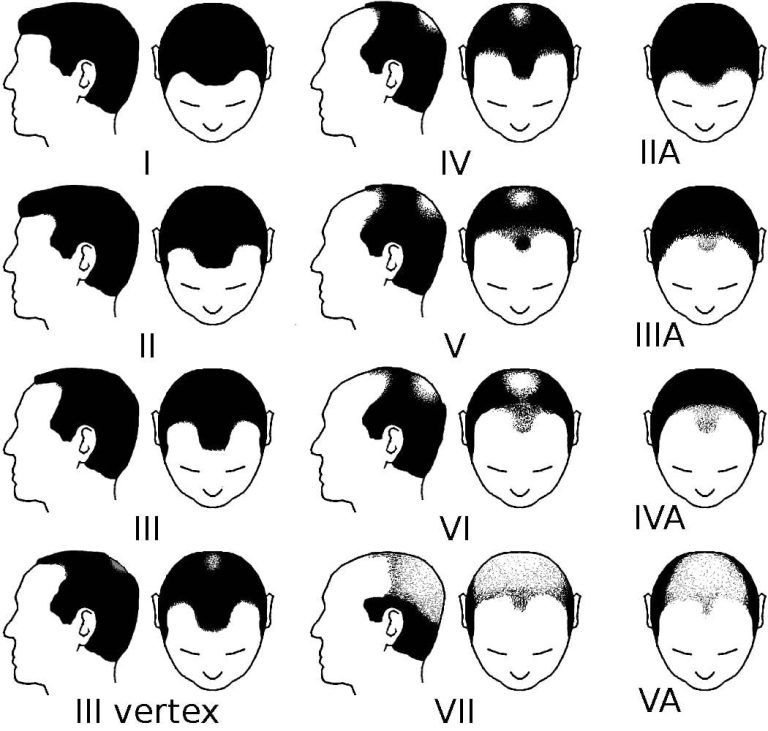
A clinician can assess whether follicles are producing finer hairs and whether the pattern fits androgenetic alopecia. The BAD male pattern hair-loss information explains that condition. The Norwood scale can help describe the pattern, but it is not a personal forecast.
Other changes deserve attention
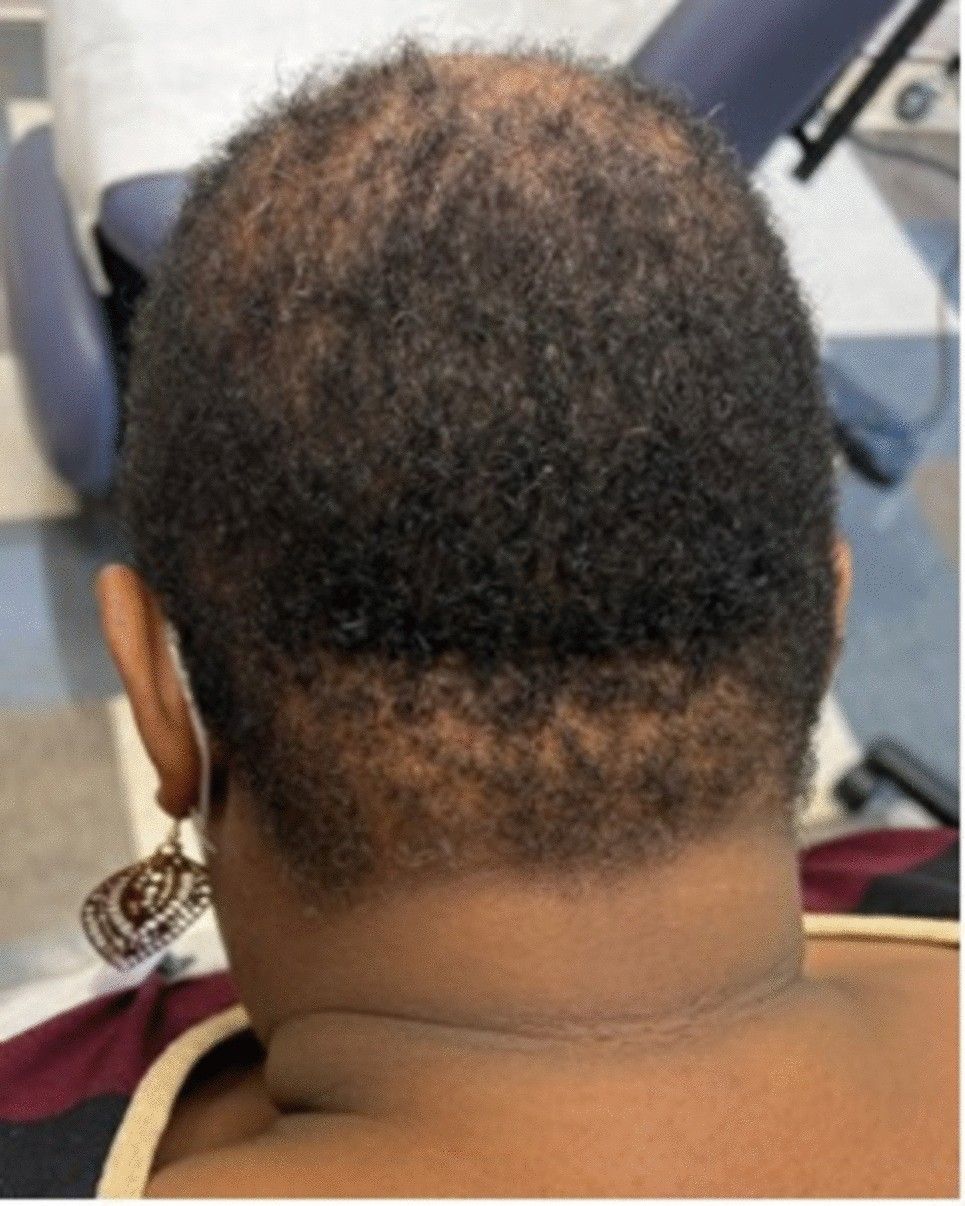
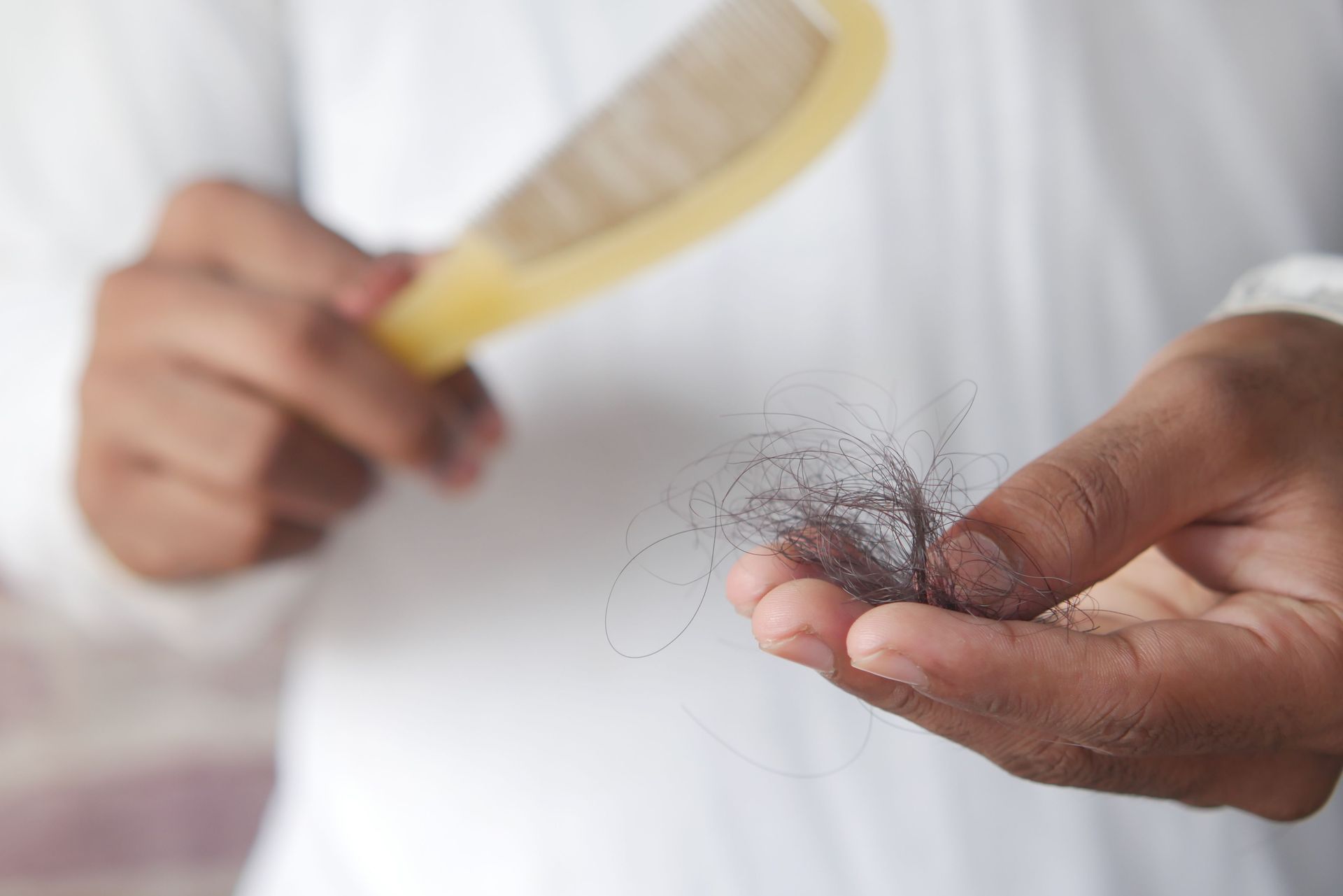
Sudden shedding, smooth patches, itching, pain or inflammation should not be labelled hairline maturation without assessment. Traction from tight styles can also affect the front and temples. A history of recent illness, weight change or medicines may be relevant.
If the change is gradual and you are unsure what it means, an initial assessment can help establish whether monitoring is enough. Asking for an explanation does not commit you to treatment.

What treatment can and cannot do
Ordinary shampoo can care for the scalp and hair but should not be promised to keep a mature hairline permanently full. Medicines for pattern loss may be appropriate for some people, with individual benefits, adverse effects and maintenance needs.
A transplant can alter selected areas of the hairline when donor supply and the longer-term plan are suitable. Lowering the front substantially uses more grafts and can leave fewer for later thinning. The surgeon should explain that trade-off rather than aim automatically for the hairline in a teenage photograph.
Our planning guide covers donor assessment and realistic priorities. Surgery is not required merely because an adult hairline sits higher than it once did.
Questions and answers
Is an M-shaped hairline proof of male pattern baldness?
No. Shape alone is insufficient. Progression, density, hair characteristics and the rest of the scalp need consideration.
Can a mature hairline start changing later?
Yes. A hairline that appeared stable can later be affected by pattern loss or another condition. The label does not guarantee future stability.
Should I use a hair-loss shampoo just in case?
Do not assume a shampoo prevents inherited loss. Choose scalp care for your needs and discuss evidence-based treatment if pattern loss is diagnosed.